Louisiana to Texas

With some time to kill, Jack and I headed South today through forest areas of Lousiana heading down to Alexandria and on to Lake Charles.

Alexandria is almost the centre of the state and the ninth largest city. Sitting on the edge of the Red River, it once supported French trade activities at Post de Rapides. Alexandria, in the parish of Rapides, was first settled around the 1790's.

During the Civil War gunboats arrived in Alexandria around Spring of 1863. Occupied by Union forces during this period they then departed to Vicksburg, Mississippi. Alexandria suffered much through the Civil War with cotton wars, and the ultimate burning of Alexandria as the Union troops departed its shores.

The city was rebuilt and has two remaining properties that survived the fires – one being The Kent Plantation House (circa 1795) which although moved from its original site, still remains on one of the first Spanish land grant allotments.
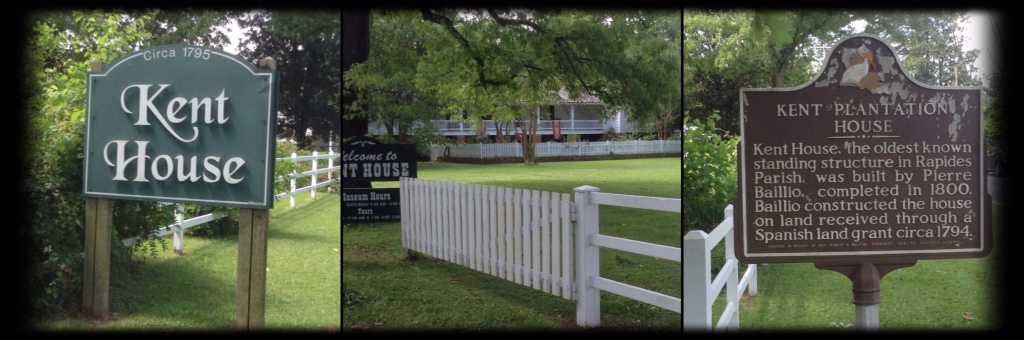
 

We weren't intending to stop before Lake Charles but when I looked up Kent House and found it was open today and held tours it was a must see!
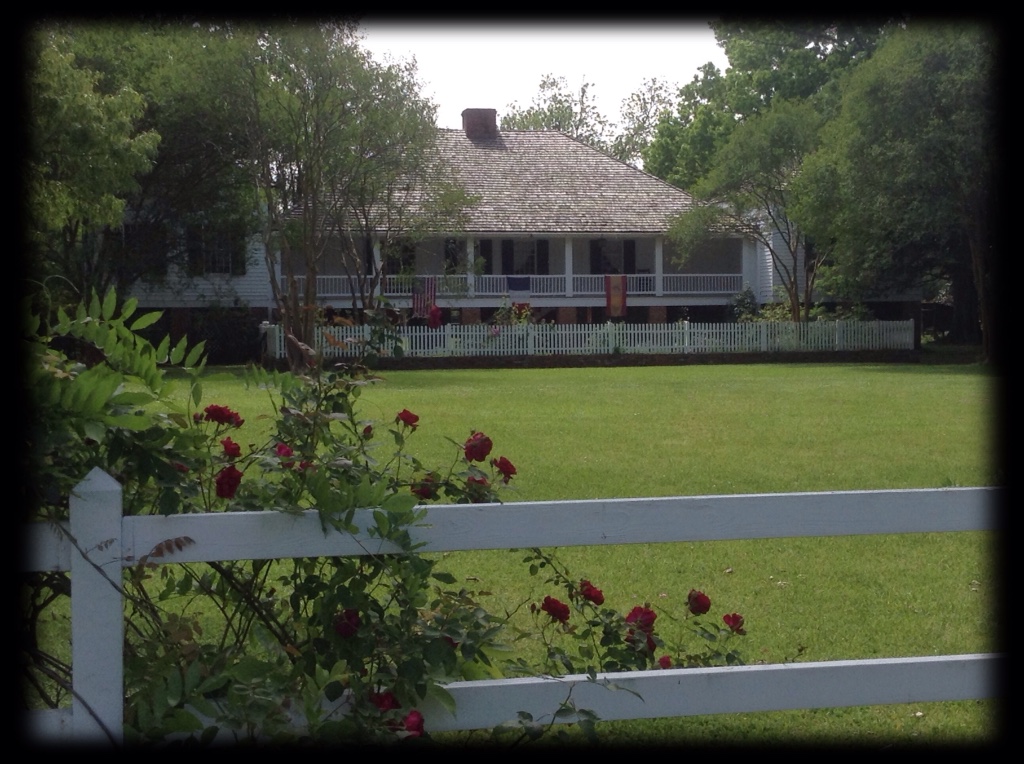
 

Our first part of the tour started with docent, Miss Carolyn, who gave us a tour of the outbuildings, starting with the Milk House.

A small building, the milk house has an outside cistern that's purpose was to keep the milk cold for butter making.


Inside the milk house were variations of butter churner's and mold's for pressing butter blocks.


Next, the Kitchen House. This was separated from the main house mostly in part to the fires that often happened in a kitchen. This is the third of such buildings for the Kent House – #1 burnt down, #2 destroyed by a tornado.


Notice the brick hearth out front of the fire place? They used to use it for cooking also. Placing hot coals on the hearth, it gave the ability to cook another dish over the coals whilst others were being cooked in the fireplace. Baking in the oven, was only done a couple times a week.

Herb racks were also used for drying homegrown herbs for both cooking and medicinal purposes.
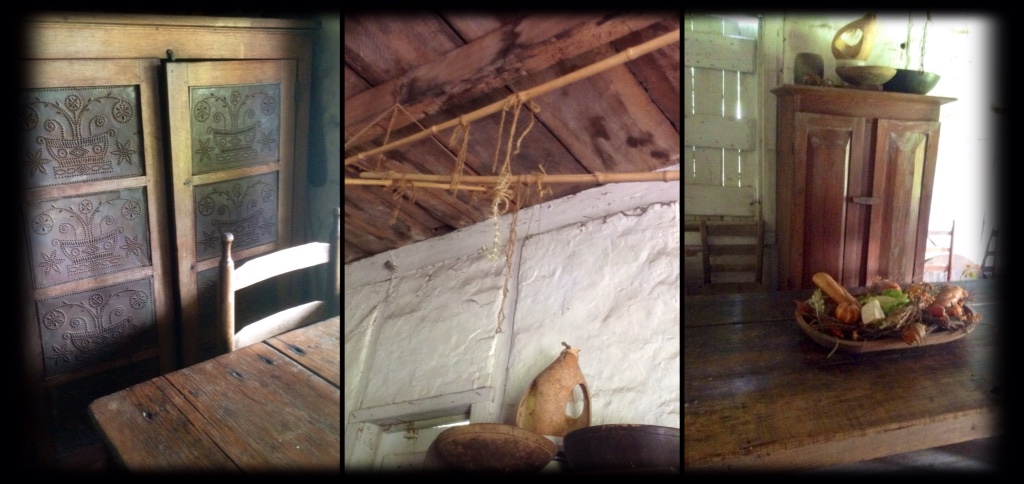
 

As with most large affluential homes, the lady of the house was in charge of the keys, especially for expensive items. Salt and pepper were even kept under lock and key, only being doled out to the cooks each day as an allowance.

Bottle trees, a tradition of the African Americans, were believed to attract bad spirits with the colours of the bottles and keep them away from the houses. The wind creates sounds in the bottles sounding like moans. When they heard the sounds they believed the spirits had been trapped. The bottle would be removed, stuffed full of sticks and leaves and then thrown into the river, thus getting rid of the evil spirits.


Next a two room slave cabin of a higher class, as it bears wooden floors. It is brick to board, with saddlebag construction i.e. the fireplace is in two sides or two rooms, one side for the women and the other side for the men or husband/wife and kids the other side. They are very small rooms, sleeping on the floor amongst the kitchen and living areas.

Next we stepped in to the laundry room where all manner of agitators, washboards, irons and other interesting artefacts reside. The Lye soap mold, used ash from the fireplace and pig fat for the moisturiser.

What about rolling your own tobacco? Well the cigar mold would be perfect for pressing and drying. By the fireplace is the cutter for cutting your ends before smoking the cigar.
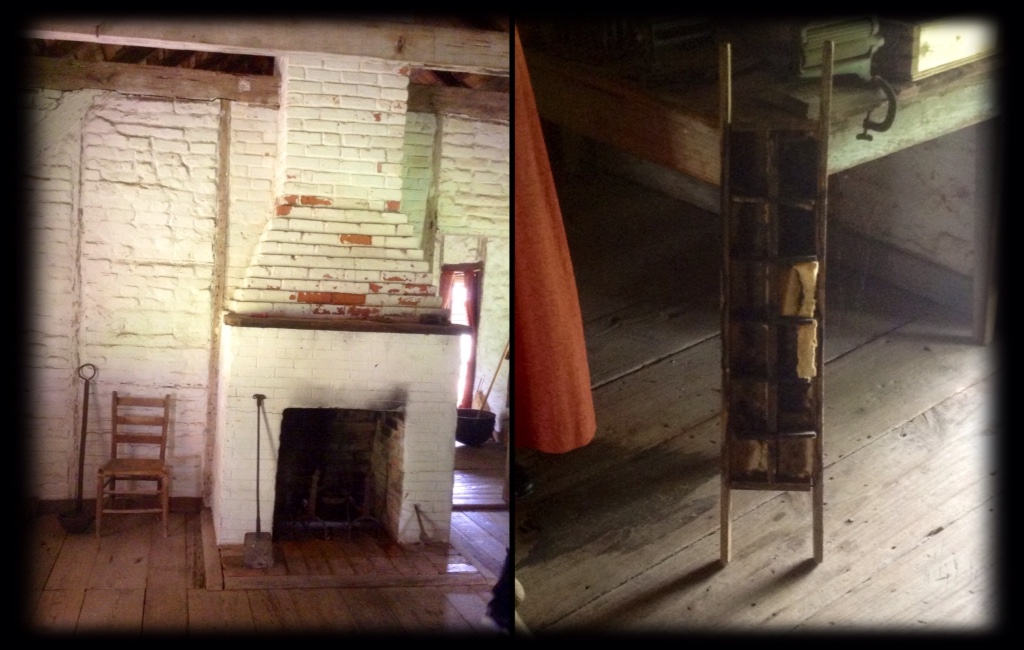
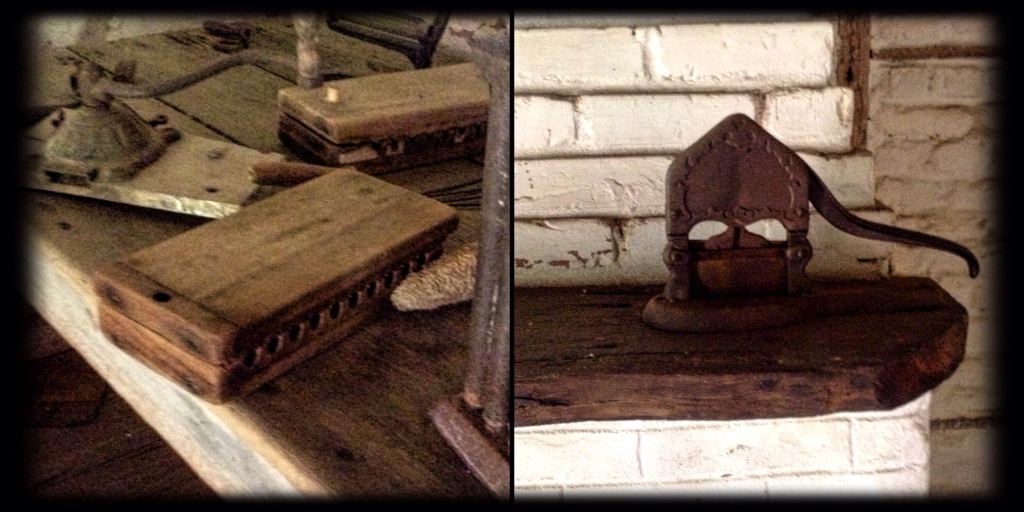
 

She showed us a candle maker mold as well. Hair tongs, thrown in the fire and used to crimp hair. Hmm I smell burnt hair!

Outside are two old sugar kettles. These were used for laundry – 1 for washing and 1 for rinsing.
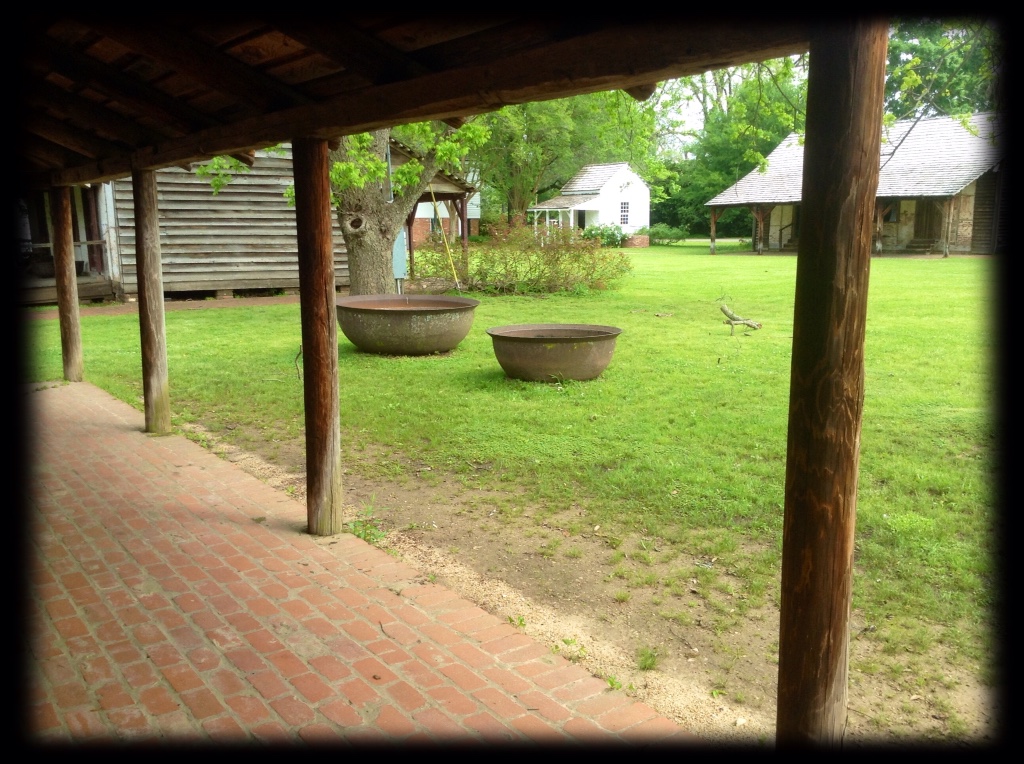
 

The gardens were also a staple requirement with a house and sometimes the slaves were given a plot of their own to grow. If they were able to grow something the house garden didn't have or might require for a dish they would actually pay to use some of that produce.

Over to the barn which is made up of hand hewn Lincoln logs it's a dog trot design with two separate barn rooms with a 'breezeway' like central area to keep air flow during the hot summer months.


The cotton picking bag would hold 100lbs and would go over your shoulders and be dragged behind as cotton was picked. Some would hold up to 300lbs! Very much back breaking work picking cotton.


The other barn building has lots of cool old skill carpentry tools including a foot driven jigsaw.

The blacksmith shop always had a dirt floor because of fire hazards, Windows were for getting air in for the heat.


Mr Hinson trusted William the blacksmith slave so much that he allowed him to often take the wagon into town on his own which would almost be unheard of for fear of flight of their slaves.

Eden House, the newest acquisition to the outbuildings has a 300 hundred year old loom and eventually this little house will have samples of cotton to finished fabric product on display.


This property was originally on 500 acres, Pierre Baillio II ended up with around 1700 acres.

The property used to also produce sugar cane and indigo. Molasses and sugar were made from the cane and indigo obviously was cooked to produce the blue indigo dye.

This cane press once driven by mules was fed cane stalks, producing the juice that would then be taken for refining.


Now Miss Carolyn is quite small and you can see just how short these doors are which were part of the original mill. Mostly slave boys would be the ones to feed the fire for the mill process.

Le Grande the biggest one of the kettles was used for the first round of juice, the paddles were used once brought to the boil to get rid of the 'trash' off the top; Le flambeau the second process during the firing off; Le sirop, now like cane syrup molasses at this point they would take half of it and bottle it for cooking use; final kettle then crystallised and this became their raw granulated sugar.

The hearth is sloping back so if it boiled over it would flow back to the previous kettle and be saved for reprocessing.
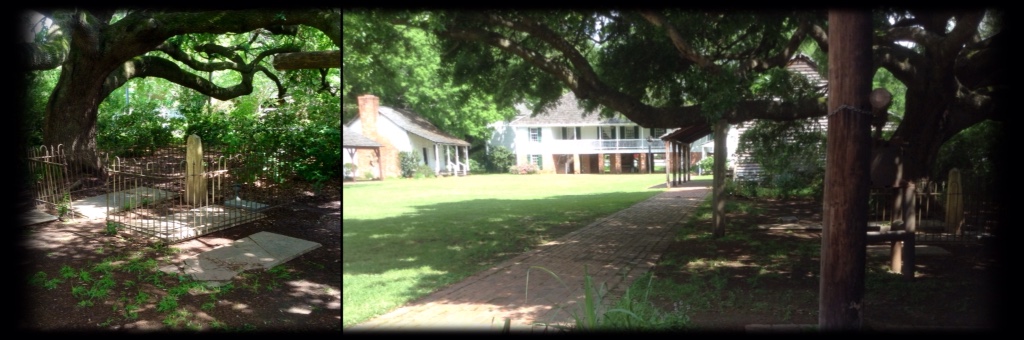
 

This beautiful live oak tree is spectacular! So called because their leaves always stay green. (I thought that's what an evergreen was???) it's long low and bendy limbs left unsupported can grow back to the ground. You can see how it has started enveloping the limb support.

The monument beneath is there as a nod to the plantations cemetery as all plantations had their own. Gustavus Baillio, one of the 14 children joined the confederate army and died the day after his 16th birthday.

The second docent, Miss Sandy, took us on the house tour. It is 218 years old, took 5 years to build and was built by Pierre Baillio.

All the brick under the house was handmade by slaves. Some bricks still have fingerprints and even a toes can be seen in them. All the timbers used were from trees on the plantation. Gardens were meant to be looked upon and therefore viewed from the balcony (besides the flooding issues of the bayous beyond). All plants in the garden are period correct as would have been at the time, the grass and brick work period for the garden also.


The handwritten recipes of the daughter in the right hand painting are now written into a cook book. The children were well to do with the third also having been to Harvard, coming back home to become judge.


The boys bedroom has the only original floors left in the house. The bed in this room is a rope bed to which would have been rest reached and tightened each day – hence the phrase “sleep tight”. The mattress would have straw and often tree moss which might have bugs and chiggers still in it – hence the phrase “don't let the bed bugs bite”.

Into the dining room and above the table is a large wooden paddle known as a 'punkah' – an Indian fan. A boy too small to work in the fields would stand in the corner and pull the cord to work the punkah during the hot months. (Further research shows that the operator was also known as a punkahwallah)


Houses were taxed per room so no closets or hallways as they were considered rooms and would be taxed accordingly.

A fireplace on the internal walls of a room was influence of the French. The English had fireplaces on the outside walls at the ends of the house.

Next we visit the parlour room for the ladies. They could sit and chat/gossip, do their needlework and take tea beside the fire. The picture above the fireplace of one of the Baillio women shows a hairstyle covering her ears. In those days you were not to show your ears so if a lady had not the hair to cover she would have to use horsehair, curled and styled into additional ringlets etc to be worn.

In the corner of the room is a sewing table, a fabulous looking little piece with a 'work bag drawer' of beautiful upholstery fabric. This would hold your needlework projects. The drawer above would house threads, needles etc. I want one! How neat is that?!
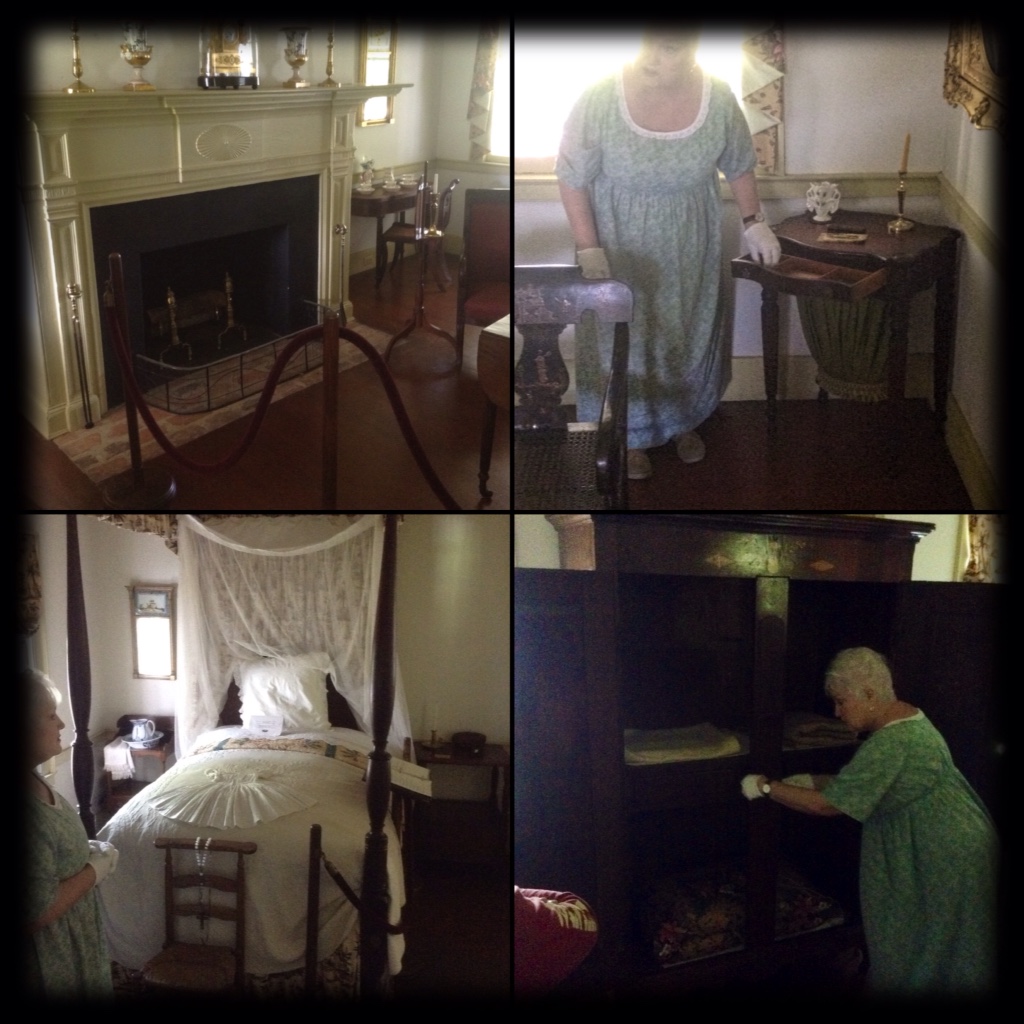
 

Last, the girls room with its ornate bed was much better than the boys, this feather bed was built in 1810. On the ceiling you can still see holes as this room would be partitioned for the older girls on one side and the younger girls on the other but if the county clerk was coming around to check rooms for taxes the partition could be quickly taken down!

The beautiful armoir, hand made in 1840 has a hidden drawer, the centre leaf piece where the doors close to could be removed be secret latch and the drawer was in behind it where jewellery could to be stashed.

The second owner of the house was a Mr Robert Hinson. The original style of the house was French creole and by the time he bought it creole was out and Greek revival was in. With the addition of the two side rooms at the end of the verandah he had changed the style.

These rooms have higher ceilings, additions of wallpapers and no exposed beams. By now, it was deemed you didn't have enough money to finish the house properly if your beams were exposed.

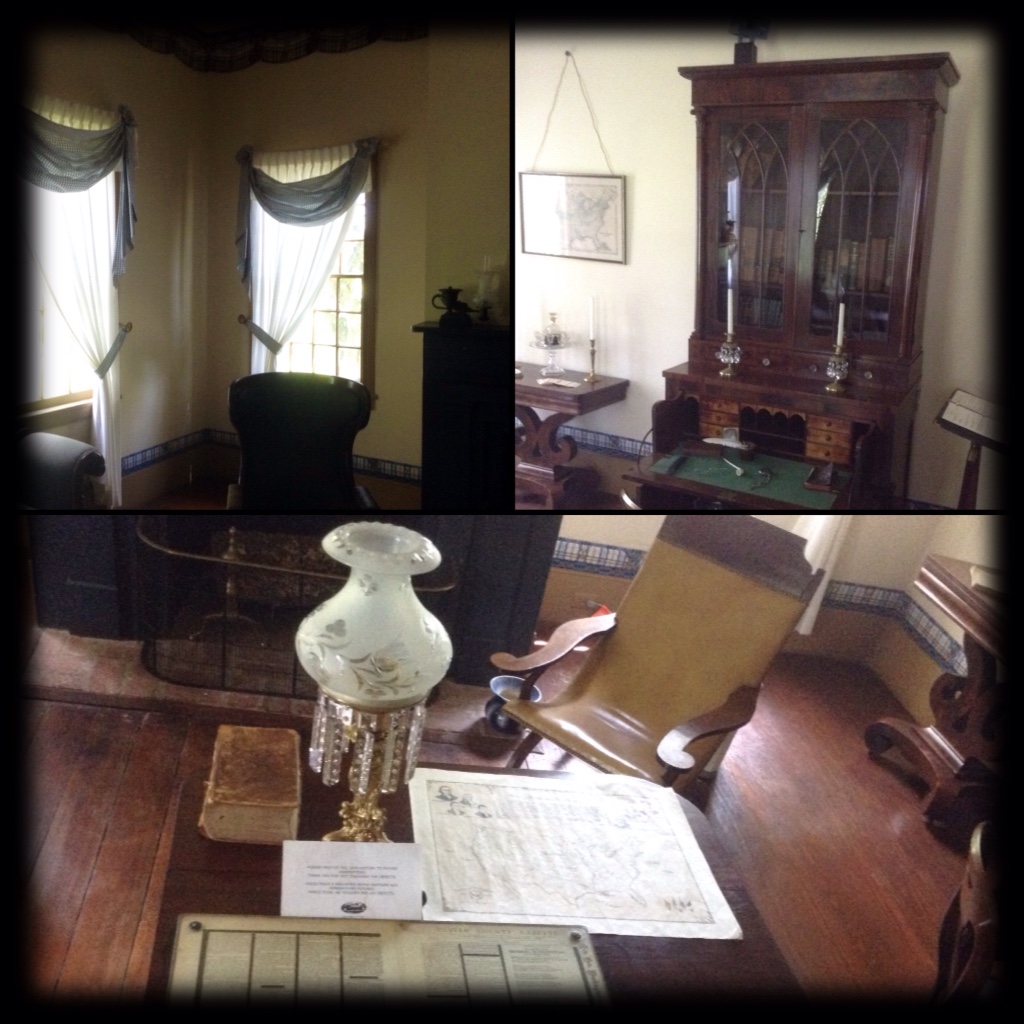
The gothic revival furniture and empire pieces also show changes in the time periods. This was mostly used as Mr Hinson's office, a more formal area for meetings and receiving businessmen.
 

The beautiful piano was played by his daughters for the entertainment of guests. It has not been restored as piano tuners are afraid to touch it's gorgeous piano wires of sterling silver as it is too precious.

It has beautifully ornate candle holders for light to the music sheets and keyboard and the handles on the sides of the piano lend its use to be dragged onto the porch for entertainment, for it to be heard during parties in the garden below.


Shutters were very important in the time and not just for aesthetics. If your shutters were painted green it meant you made your money off the land. If they were blue you were from the water, an importer or exporter. If they were black you had read your letters, so being educated, perhaps a lawyer etc.

If all the paint and all the siding was taken off the Creole section it would be a mud like house. Clay, horse, bear, deer hair and Spanish moss similar to Adobe. If you had the money you would white wash or paint it as Kent House was.

Turning our attention back to where we had made our entry, the narrow staircases were made for original empire dress styles in the early days. As the years and fashion changed (as we know it was pretty dramatic between 1800-1865) Mr Hinson had taken out the middle banister section and put steps in to the front of the porch down to the garden for the ladies in their hoop petticoat gowns. This may not be the only reason but with the restoration of the property they have taken in back to the original.


The second room at the end of the porch is the master bedroom, children stayed in here until they were two before they moved to the other children rooms. The day bed was used for exactly that – day naps – as the main bed was not to be messed up after being made. Called the rolling pin bed, the rolling pin was used off the bed head and rolled across the feather bed to get it neat and then placed back into position on the bed head.

The Hinson family with its 11 children, all used the same water starting with father, then mother, then the eldest children down to the baby. By this stage the water wouldn't be so clean and much less than had started, perhaps hence the term 'don't throw the baby out with the bath water'.

Look at the gorgeous red ware set as well, a wedding gift to their granddaughter and one of few sets left. This room in its darkness appears just as it would in that time period although on the top jutting ledges of the armoir would have been lamps, the white ceiling reflecting light across the room so they could at least see a little!


As we finish up the tour, the final room on the back porch was 'the strangers room' or as we call it today, a guest room. If someone stopped and asked for a room for the night this is where they stayed. There was a separate staircase and the door to the room did not open into the main house so you could keep your family safe. You enjoyed having people stay as they were useful for gathering information, finding out if war was close, were the levee banks holding during storms etc.


What a fabulous hour and maybe a half pit stop. So glad I looked up a little bit about Alexandria and found this fabulous place. Wasn't out of the way either, was only quarter of a mile off the main road!

Now we are in Beaumont, Texas for a couple of nights before heading on to Fredericksburg and the Texas Hill country.

Au revoir Louisiene!

Kat xo


Where Are We?

Not in Kansas anymore Toto, or further south in Oklahoma! We are back in the land of Oz though – Australia that is!

After a few flights and some fun in Los Angeles we arrived back in Australia to Brisbane last Sunday.

We headed to Burpengary to stay with wonderful friends Pearl Starr and Chuckwagon for a couple of nights! Sensational, plenty of talking, more than a few drinks for the boys, plenty of laughs and catching up.

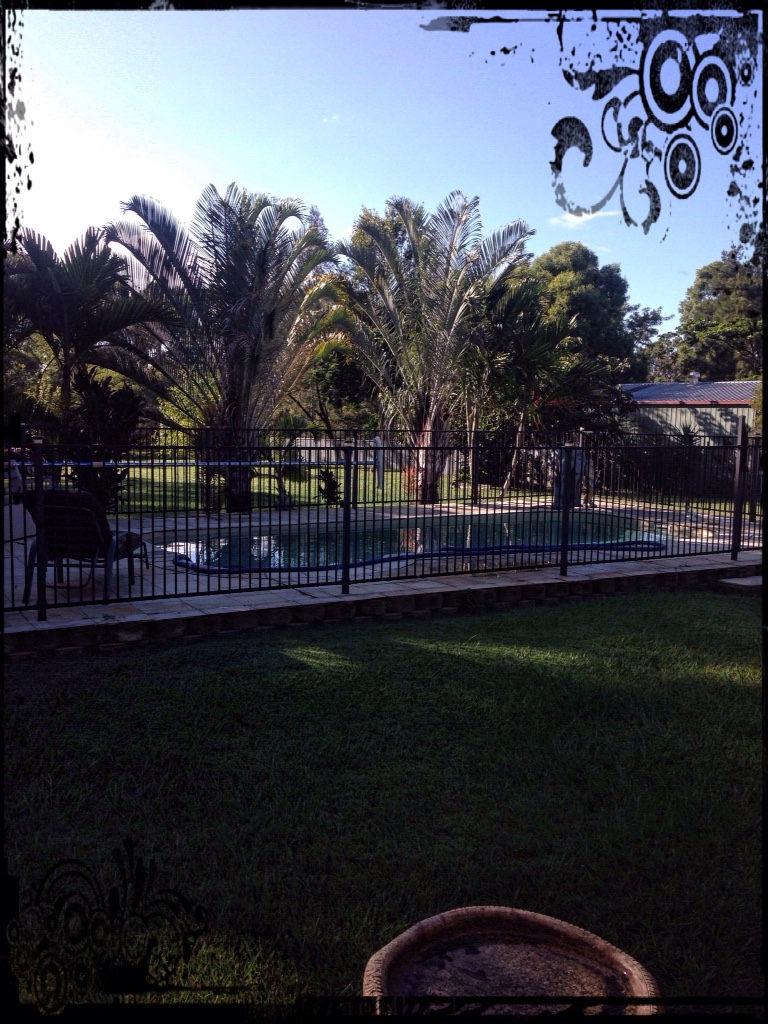
I enjoyed my mornings with Pearl immensely, getting up early and going for a half hour walk, followed by a lazy swim in the pool, breaky on the patio all before 9am. Feel good moments with my besty – priceless! Didn't want to leave after a couple really nice days with her.


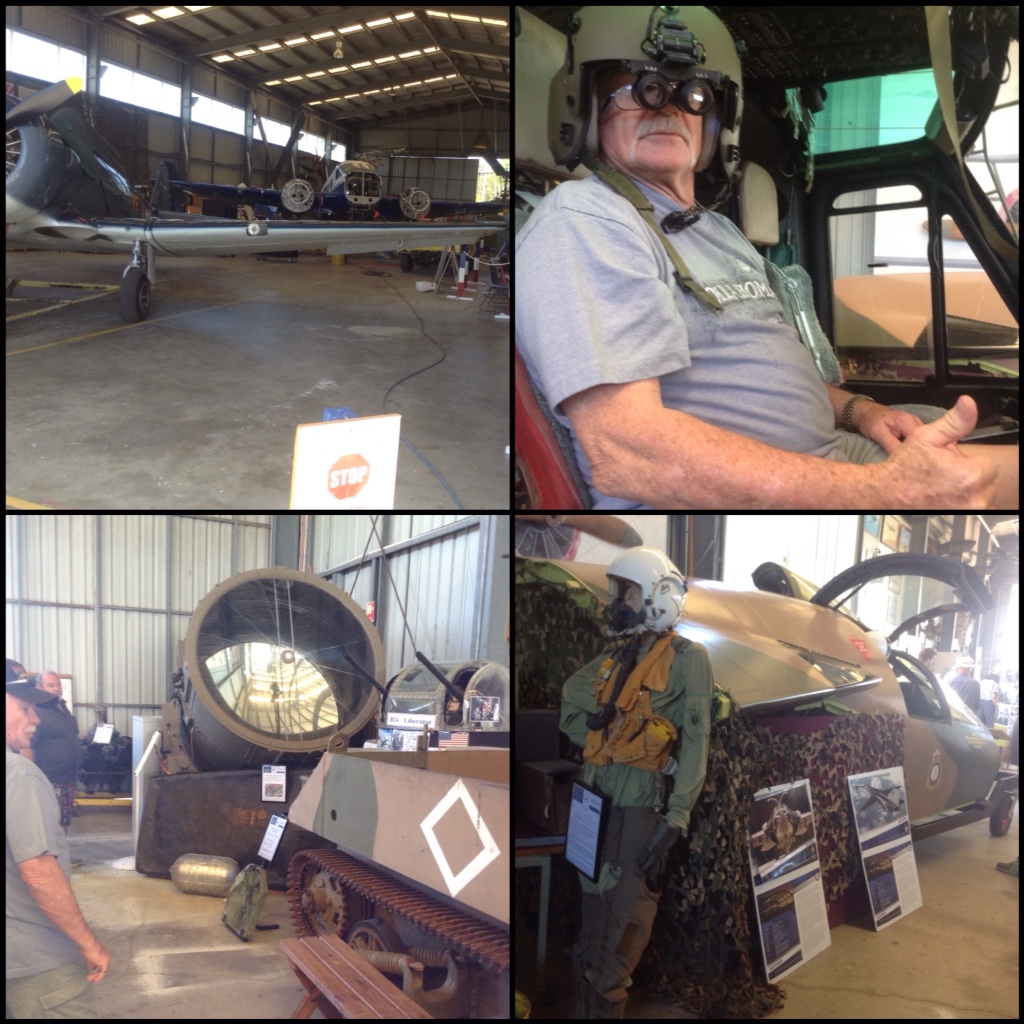
We left them on Tuesday mid morning and went a little further North to the Warbirds Museum in Caboolture. John our guide was funny and very knowledgeable with his pet love, and of course had been his mechanic life, the F111's.


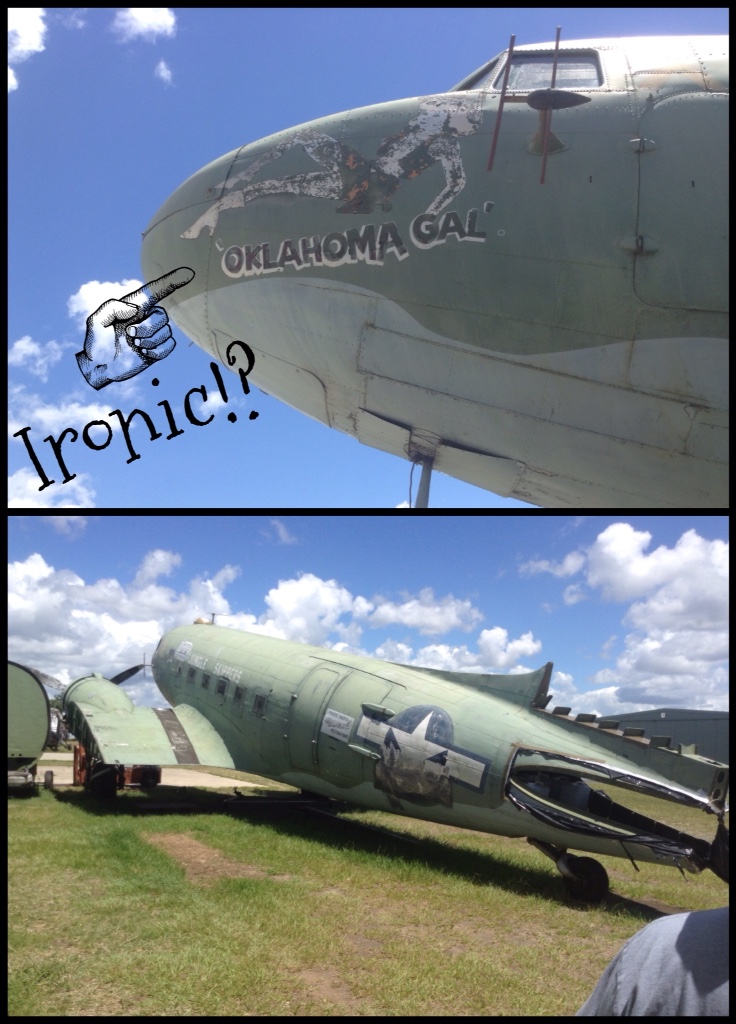
We saw some of the guys working on restoring a Mustang and a Gypsy Moth with a Dak standing outside waiting it's turn. When the Dakota is done it will be taken over to Normandy and a flight recreation of the battle of Normandy will take place. Check out the nose cone art!


They do joy flights here in the old planes and I think Jack should just bite the bullet and go for one. He's been talking about it for long enough so maybe July for his birthday is going to be a good time to do it.


A small Museum with big hearts/big kids running it.

Heading down to the Gold Coast, we spent a couple nights with Dug Deeper and Trixie. Catching up with them is always fun while discussing shoots, holiday destinations, laughing, chatting and more! You guys still work too hard and need to come play more. We very much appreciate you looking after things and having us over.

With doctor visits, trips to the unit, and some shopping done we are off to Lawrence along the mighty Clarence River for a quick catch up with Paddlewheel and Emerald and of course the pup-ettes – the dogs, Bundy and Coke!


It's always a joy to sit and talk with them and make sure they are doing okay. Our discussions often include outfits, sewing, shooting and where we will all meet up next or places we've been, there's never a shortage of conversation.

We will see them again next week as we come back to look after the pups while they are away.

Back in the car we get and its down to Newcastle to see the grand girlies, Jack's son and daughter-in-law and on Sunday we will also see Jack's daughter. It's been a while and will be great to catch up with them all.

That's it on the travel and family front at the moment. It's a busy week ahead and we'll be shooting the following Saturday! Woohoo!

Have a wonderful wedding tomorrow Ace McKenzie and Scarlett Assassin!

Kat xo


Australia Day

26th January indicates Australia Day, a day off, a long weekend full of beaches, barbies, drinks, games, fireworks and concerts.

During community events and reenactments, citizenship and awards ceremonies take place along with Australian of the Year.

It officially marks the landing of the First Fleet in 1788. I don't recall thisduring history lessons at school but apparently they saw it necessary to go and form a penal colony in the then, New Holland, after the loss of the Thirteen Colonies in North America. So Australia got all the convicts (yes, I descend from one)! Haa haa haa.

Anyway I'm not giving a full history lesson today. Whatever you decide to do for Australia Day, I hope it's a good one and let me know who gets Australian of the Year.


Cheers big ears! Onya mate! Break out the esky, thongs and the terry towelling hat! Throw another shrimp on the barbie and have a lamb cutlet!

Kat xo

For our American friends –

Glossary:

  • Cheers big ears – an Aussie salutation when having a beer
  • Onya mate – slang for 'good on you mate', mate – friend
  • Esky – NZ, chilly bin, US, cooler
  • Thongs – you wear on your feet, flip flops
  • Barbie – not a doll, short for barbecue


Happy Thanksgiving!

It's thanksgiving here in the US and believe it or not, including the likes of Canada, Liberia, Grenada, Saint Lucia, and Leiden (in the Netherlands)m Norfolk Island just off Australia also observes this tradition.

As I sat this morning (I know, highly unusual for me to be doing jack $*#!) drinking my coffee and watching the Macy's Thanksgiving Day Parade, I can say I am thankful for all our family, the friends we've made around the world and the chance to explore what this world has to offer.

I wondered, as I'd done the past couple of days, where the tradition had originated. This lead me to Dr Google of course finding many an explanation on Wikipaedia and other sources.

Of course most everyone knows it is observed with the likes of turkey, side dishes, pecan (lol, make sure you pronounce it as 'Pi-carn') or pumpkin pie, wine, family, football and more! It's a day for family gatherings for the holiday weekend (where as Christmas is our big to-do in Australia).


A long tradition of prayers and thanks in particular for previous year's crops and the harvesting thereof, tabled for all to enjoy. As early as the 16th century English traditions around thanksgiving and blessings came from acts of God, disasters and the end to wars etc, the most notable event relating to the US however was the landing of the new settlers into Plymouth (Massachusetts) 1621 and Virginia in 1619. And there's a whole lot more to that you can find on Wikipaedia

One must think back to whom the Pilgrims encountered when the arrived on the shores of Plymouth or Virginia and to that – the encounters with the Native American Indians. The Wampanoag had a great influence, giving thanks was a way of life to them on any given day. They were a part of ensuring survival of the newcomers whilst they learnt the ways of the land and how to produce crops in different regions.

There is a great school resource I found regarding that on an education site.


In any case, Jack and I rounded out the day with a couple of drinks, a dead chook, potatoes and peas. Topped off with caramel apple tartlets – when I get to making him a cuppa in a sec!


Wherever you are, I hope that besides the food etc it doesn't hurt to every now and then stop and give thanks for what we have.


Love and hugs to all

Kat xo


Into The Woods

…lf you go down in the woods today, you better go in disguise……

Well this wasn't no nursery rhyme and you might say we were in disguise….if you call a weekend away in 'normal' clothes, disguise! Haa haa!

What a great weekend of down time spent with our very good friends Texas Mac and Texas Flower at their little ranch and I do say little with tongue in cheek.

It might be a cosy little old farm house but their surrounding 'woods' as Flower calls it, is not so little at all!

We arrived Thursday to a warm afternoon. Still in shorts and tshirts we were able to enjoy Margarita's on the deck before enjoying steaks from the grill – a revamped, repurposed old wood stove!


Friday morning it had turned chilly, so suitably dressed, the four of us ventured (on the ATV) out after a hearty breakfast into the woods, checking Mac's hog traps, learning of the history of the property, checking out the cows and looking for deer.


Now Tinder or e-Harmony has nothing on Scrapings! The dating service for deer. (I learnt this on our little exploration) Bucks will rub glands under their eyes against an over hanging branch along a path, scrape the ground clear and urinate in the middle of the spot. Doe's will come through and if so inclined, will follow the trail to the Buck. We saw many scrapings along the way through all Mac's trails.


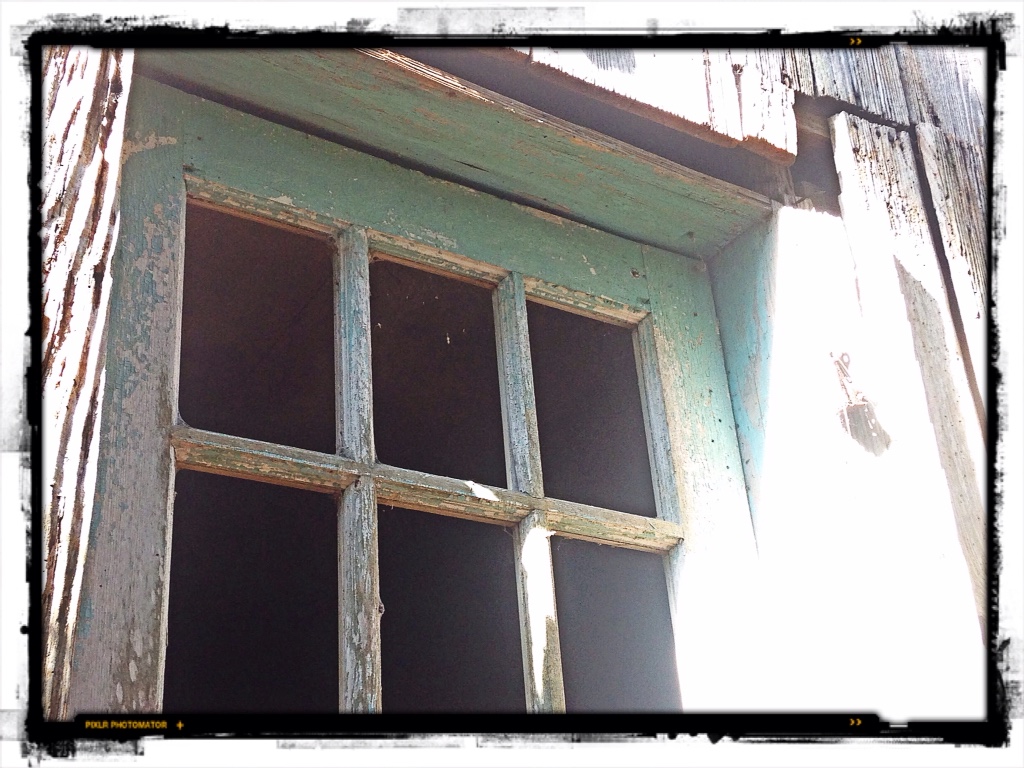
After visits to old house sites, Mac's storage, to me was just a divine old run down house with spectacular timbers, (Thought of Bertie Winchester and her woodworking but that's another story to follow) we then headed down to the pond and back around to the house for late lunch.


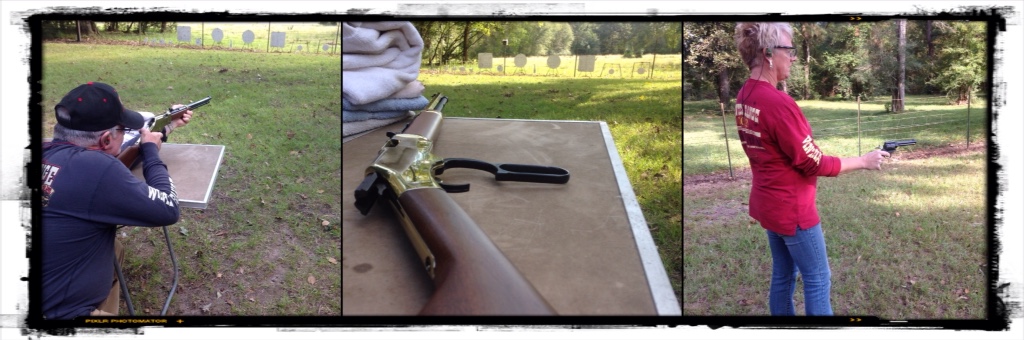
The afternoon followed with chatting about costuming and the men folk doing a bit of shooting in the back yard. Flower and I eventually ventured out to see what they were up to and tested out the new .22 rifle and had a go at shooting outlaw!


Soon it was time for Margarita's although we didn't spend too much time outside this evening.

Baseball and more costuming chats ensued after dinner.

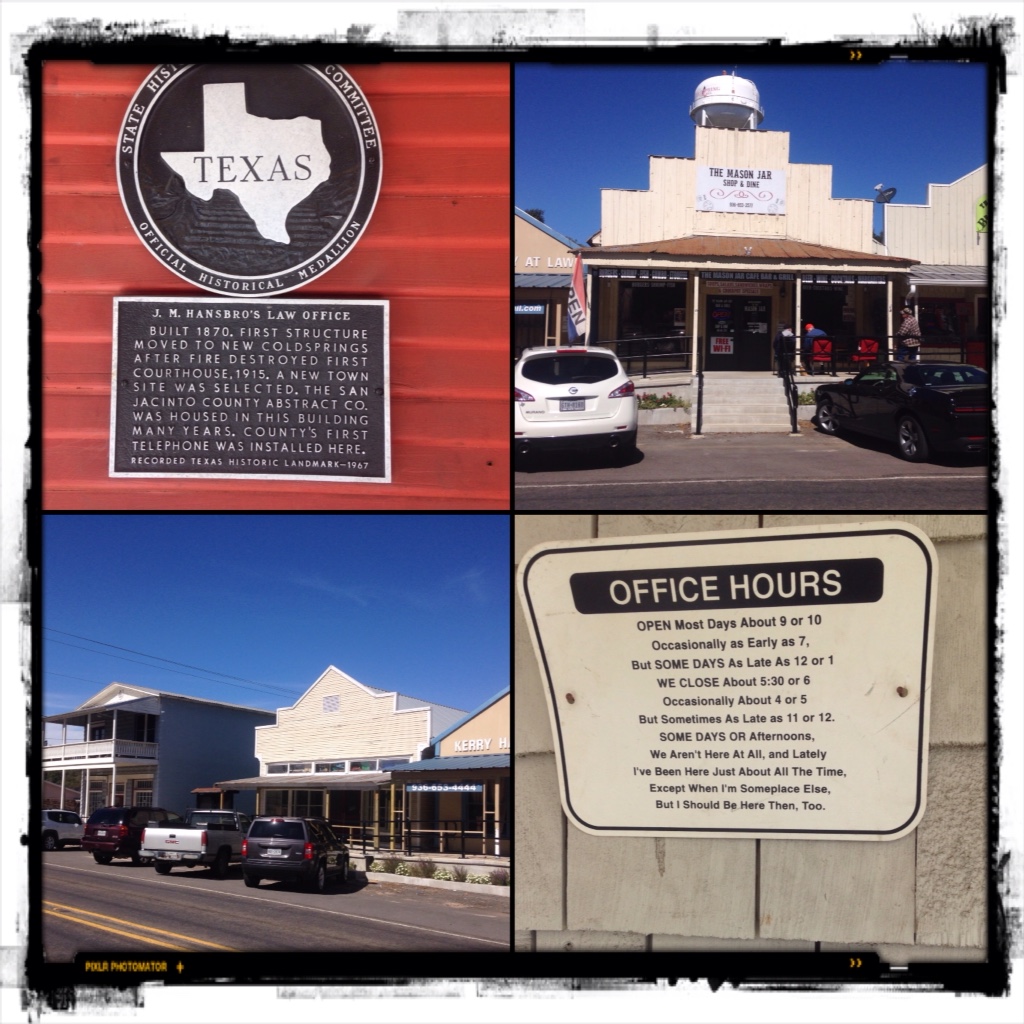
Saturday, after breakfast we took a trip into Coldspring. It's Trades Day which is a weekend of markets with anything from handcrafted items, homegrown cosmetic creams, quilts, jewellery, horseshoe items, you name it. We walked the stores around the square of which almost all of them are still the original buildings and marked historical.


We lunched at 'The Mason Jar' and headed to the historic jail and hanging tree. Being Halloween, the jail was not open to the public unfortunately, and I hear it still has the original trap door and hanging rope in there but it is set up as a haunted house for people to visit of an evening.


A quick stop at the store and we headed to a friend of Mac and Flower's who has an awesome collection of Roy Rogers, John Wayne and other western memorabilia. Thank you to Wayne and his daughter Gail for allowing us to come visit his own little 'museum' and showing us his wife, Barbara's antiques and her special pieces in their home. Wayne was such a fan of Roy Rogers that he had actually got to meet him as well and we were able to pour through his photo albums and marvel at all the pieces he had collected over time. Really appreciated that visit!

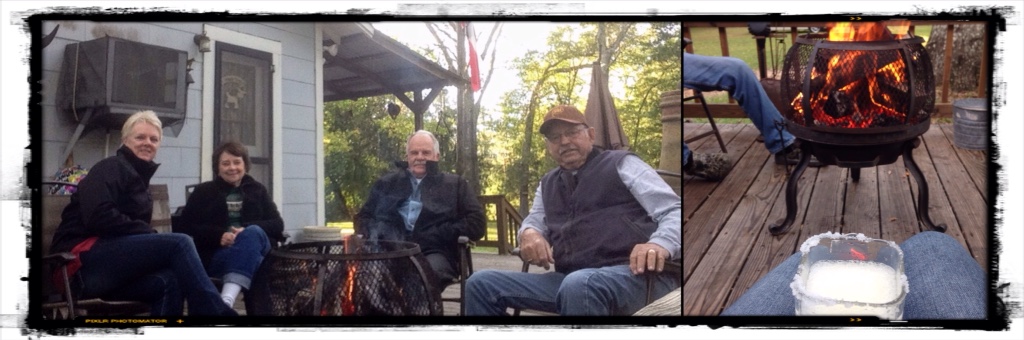
So a much cooler evening made it necessary for the chimenea to be lit if we were going to enjoy the fresh woods air and margaritas outside. It was now down around 50F.


We ate dinner inside but later went back out to enjoy our first S'mores experience!! You heard it right, we had not had S'mores before and I for one was not leaving no matter how cold it was, or how full I was from dinner, without experiencing one. Funny thing! Jack hadn't even roasted a marshmallow on an open fire!?! So firsts all round!


What a great weekend with the Butler's in their little slice of country heaven. It was great to be able to spend more than a few hours with you both.

Kelli xo


Special Treasures

I would safely say I have truly been blessed with meeting so many wonderful people, crossing paths along the way throughout my life during Cowboy Action shooting.

Not only for the commraderie, healthy competition and learning but also being able to assist in passing on my knowledge and skills along the way.

I have been extremely grateful in the past that some have found me worthy of little treasured presents.

This weekend I was given some plaid fabric by Annie Hicock that would make a great 1890's walking dress….so the thinking cap has gone on for that, time for a new dress in my future – in amongst everything else at some point!


Idaho Sue from Texas also brought me some fabric she was clearing out of her stash and in amongst it I think is the blue I'm looking for for my next formal gown! Holy cow! Excited much!


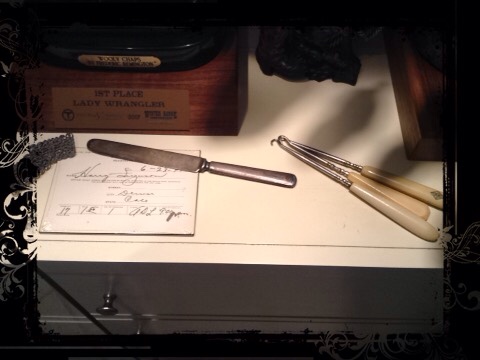
The jewel in the crown however, was when she came to me at the banquet last night with 3 little 'gems' that just blew me away for the much appreciated gift. She had seen 3 ivory handled button hooks at an antique store and thought I might like them. I don't know how many times I said thank you but it doesn't seem enough.


They are in the cabinet with my Fred Harvey 'gems'!


Thank you ladies, you made my weekend! Hugs!

Kat xo


Clear Lake, Iowa

Iowa was another new state to visit and on the way home from Minnesota we headed into Clear Lake.

You'll love this one Mum! We stopped in at the Surf Ballroom where in February of 1959, Buddy Holly, Ritchie Valens and The Big Bopper had been performing. (insert great 50's music, Bobby socks, swing skirts and slick backed hair here)

However, in the early hours of February 3rd, they were all killed when the plane they were on crashed. A monument was erected at the crash site honouring the legends in 1988.

Unfortunately being Sunday and we were there early, the Surf Ballroom and Museum was not open until 1pm. We missed out on seeing that which was a shame but we did however make the half a mile walk into the paddock to see the memorial!


……..Peggy Sue, Peggy Sue, oh how my heart yearns for you – Buddy Holly

……..para bailar La Bamba, (it's amazing I never knew the right words for this song!!) – Ritchie Valens

……..chantilly lace and a pretty face, and a pony tail a hagin'down, that wiggle in the walk and giggle in the talk – Big Bopper

RIP music legends

Kat xo


Kansas to Minnesota

This morning after a fabulous breakfast and great hospitality from our hosts, we hit the road again and headed out for Kansas City.

We are visiting Union Station, just across the border in Kansas City, Missouri.

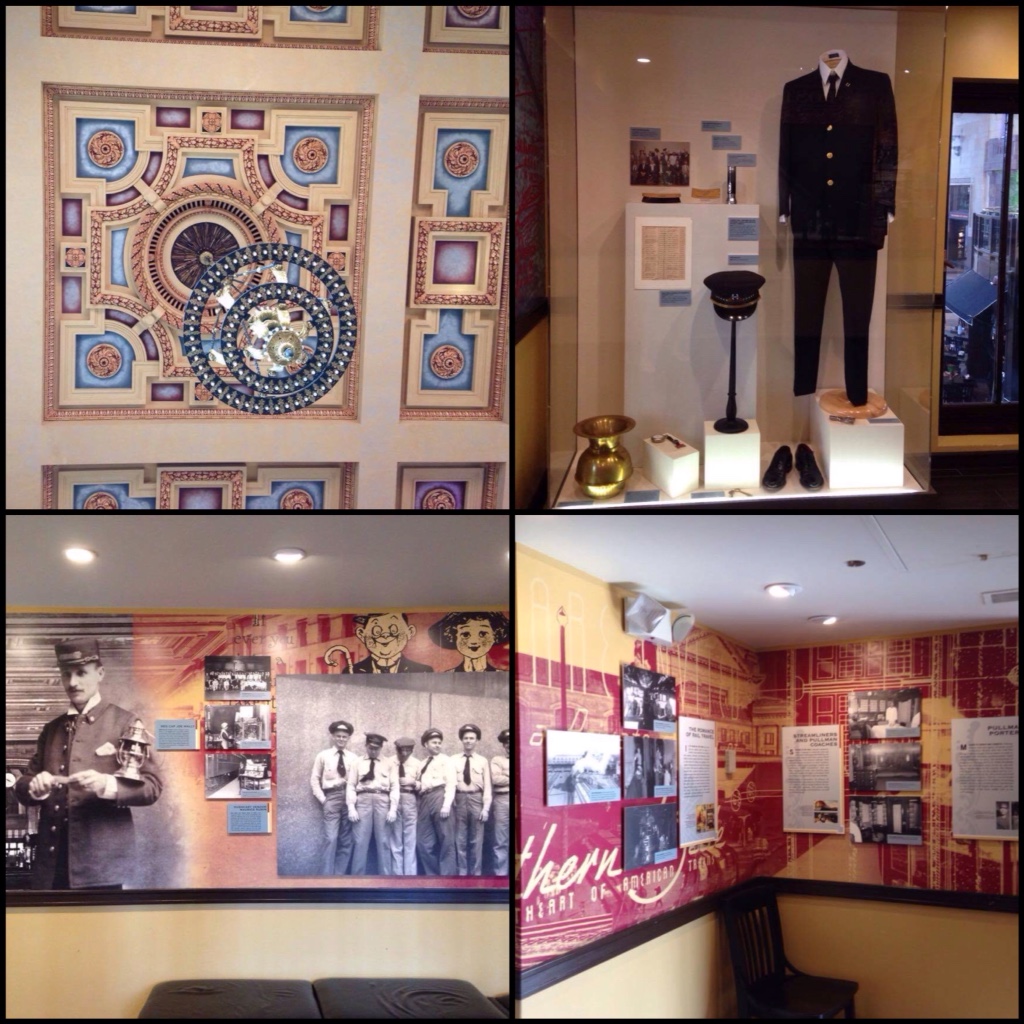
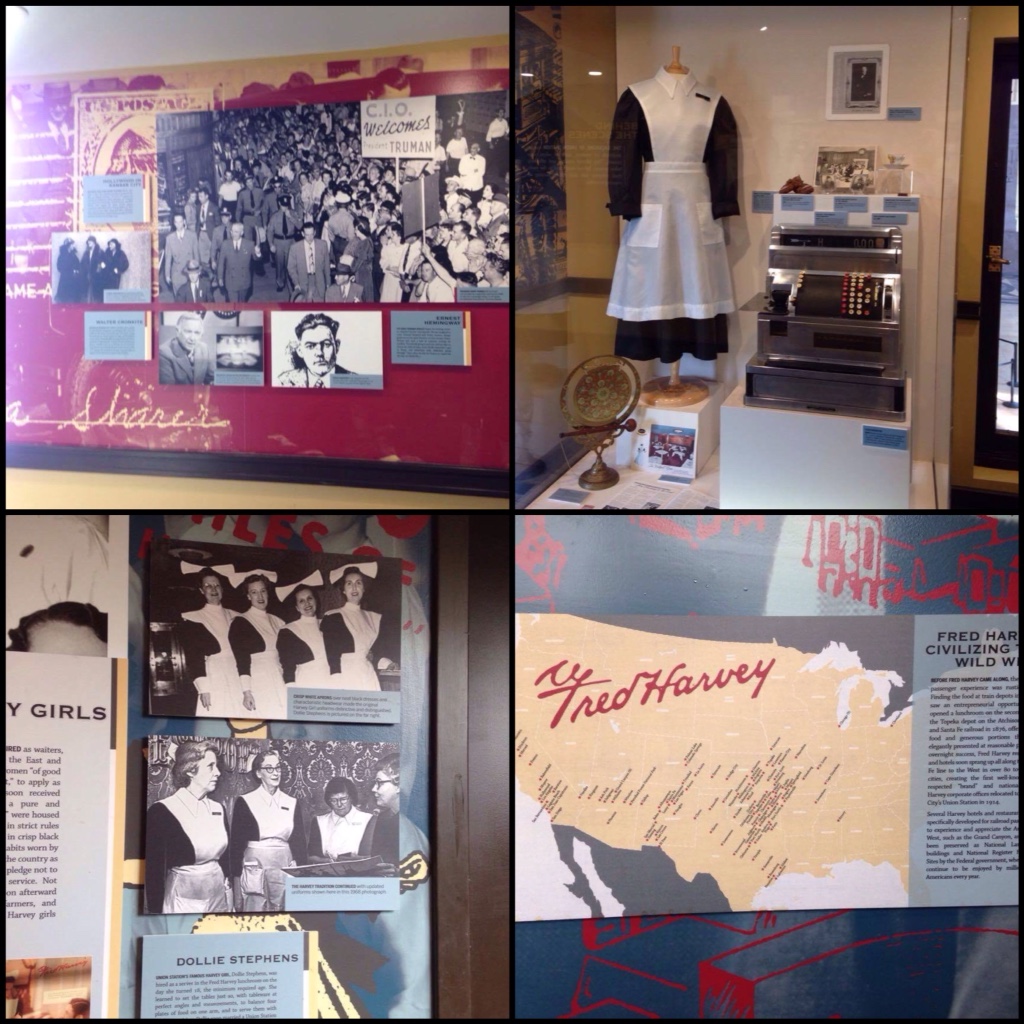
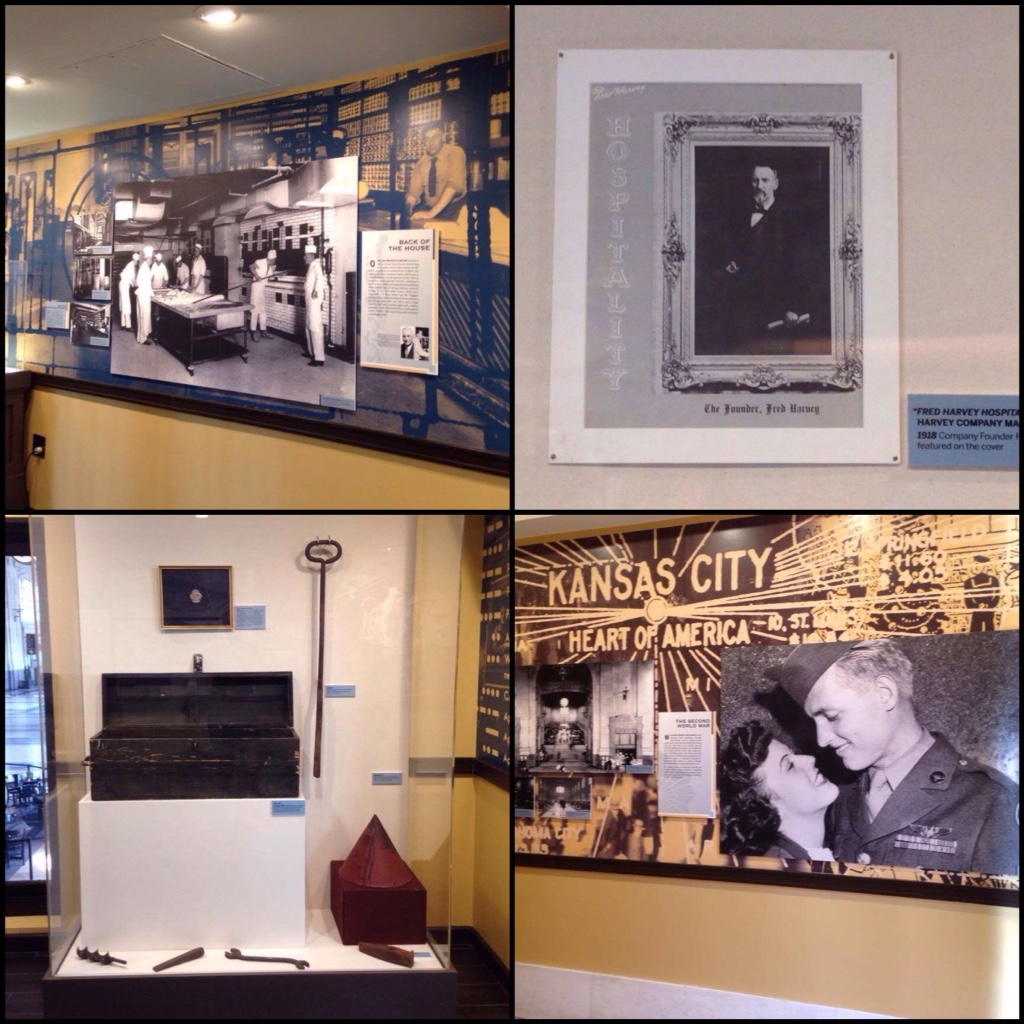
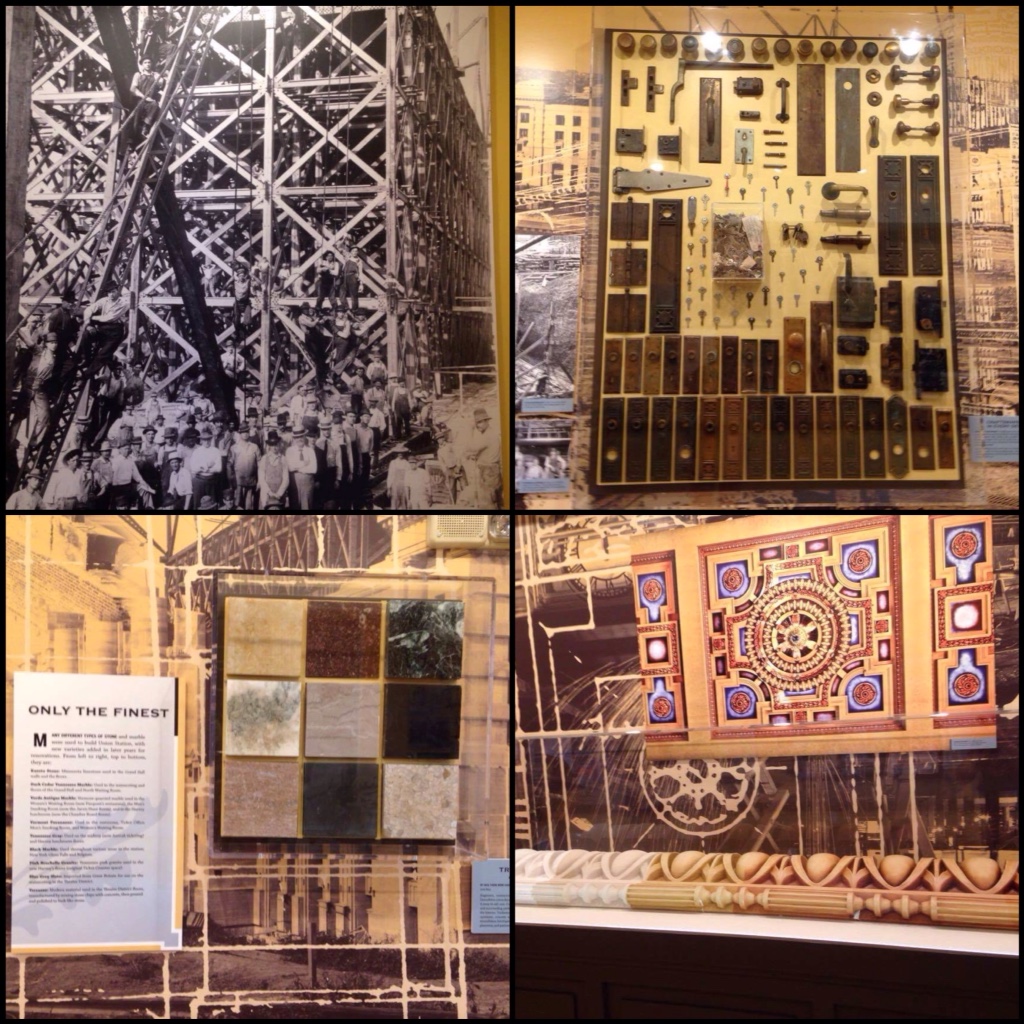
What a grand old lady is Union Station, with beautiful architecture, ornate ceiling rosettes, grand chandeliers AND Harvey's – a restaurant that once upon a time was a Fred Harvey house. I have a bit of an obsession with Harvey Houses.


Now there is Science City and a current exhibit of Mummies showing but we headed for the 2nd and 3rd floor history exhibits.

Union Station as it is today, replaced a smaller Union Depot that had served the city since 1878. The bigger station was built in 1914 on a new site away from floodplains just south of the central business district.


Just a few facts:

  • Jarvis Hunt, Architect was hired in 1906 for the building of Union Station.
  • When it opened in October, 1914 it was the second largest train station in the country.
  • It takes up 850,000sq ft/79,000m2 of real estate
  • Each chandelier, of which there are 3, weighs 3,500pds/1600kg
  • The Grand Hall clock face is 6ft/1.8m in diameter
  • The ceiling height in the Grand Hall is 95ft/29m high
  • In 1917 during WWI peak train traffic numbered 271 – 1945 during WWII peak passenger traffic was 678,363
  • 1933 Union Station massacre made headlines Frank Nash (notorious gangster, bank robber and escaped convict) along with 4 of his hit men attacked the men who had come to take him back to Leavenworth. 5 men including detectives and FBI agents were killed.

There are fabulous old photographs, information boards and displays of artefacts on the two levels overlooking the Grand Hall.


Mementos from special exhibitions are also on display along with information regarding the National Memorial and WWI Museum. The view across the lawn and fountain area to the Memorial is mighty fine. Landscape designer, George Kessler, indeed planned a beautiful city back in the late 1800's-early 1900's.


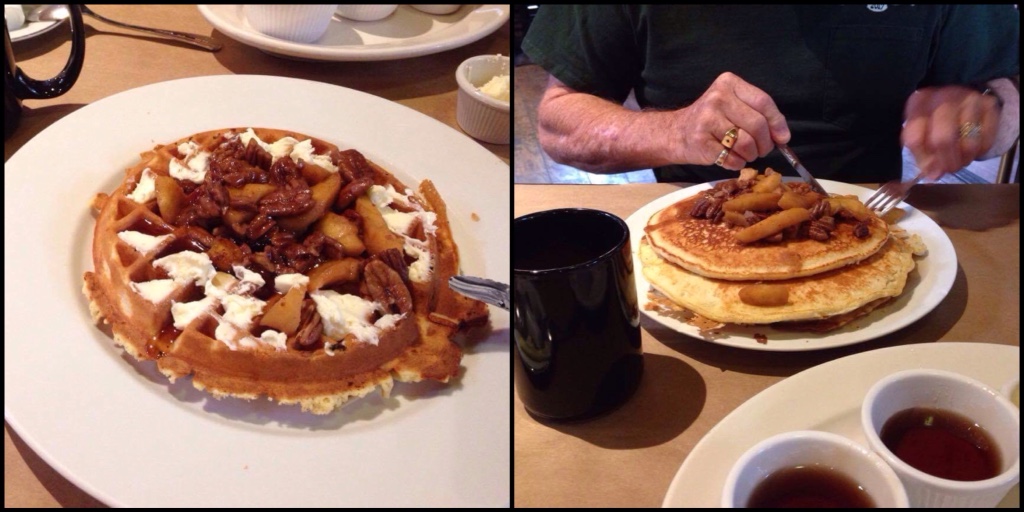
With a visit to Harvey's for extra breakfast (lol, don't need lunch! Have a go at the size of Jack's pancakes!!) we rolled out the door and back to the car to head further North through Missouri and into the state of Iowa.


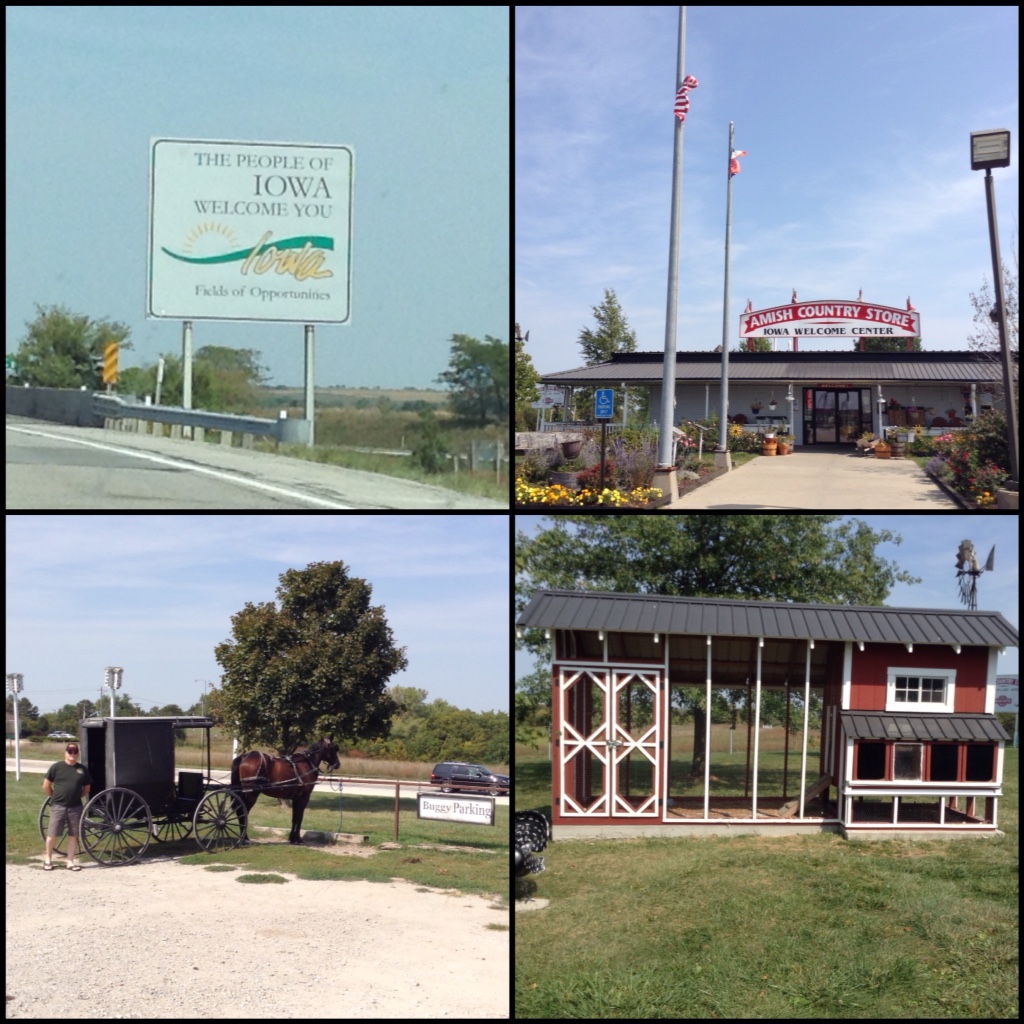
Iowa is another new state to visit. We took a quick pit stop at Lamoni at the Welcome Centre and Amish store. I thought the buggy and horse were a statue when I saw the buggy parking sign! Lol! The horse must have realised the blonde needed an acknowledgement and with a turn of his head I realised it was real!


How fabulous Amish stores are with all their homemade and harvested fruits, vegetables, grains, and spices. Jack scored some Fig Jam and we got some awesome licorice wheels, YUM!


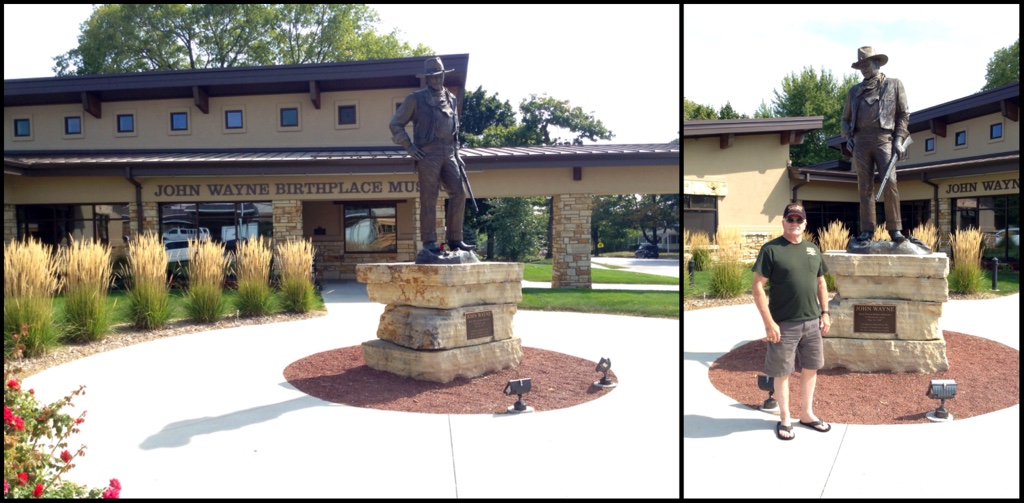
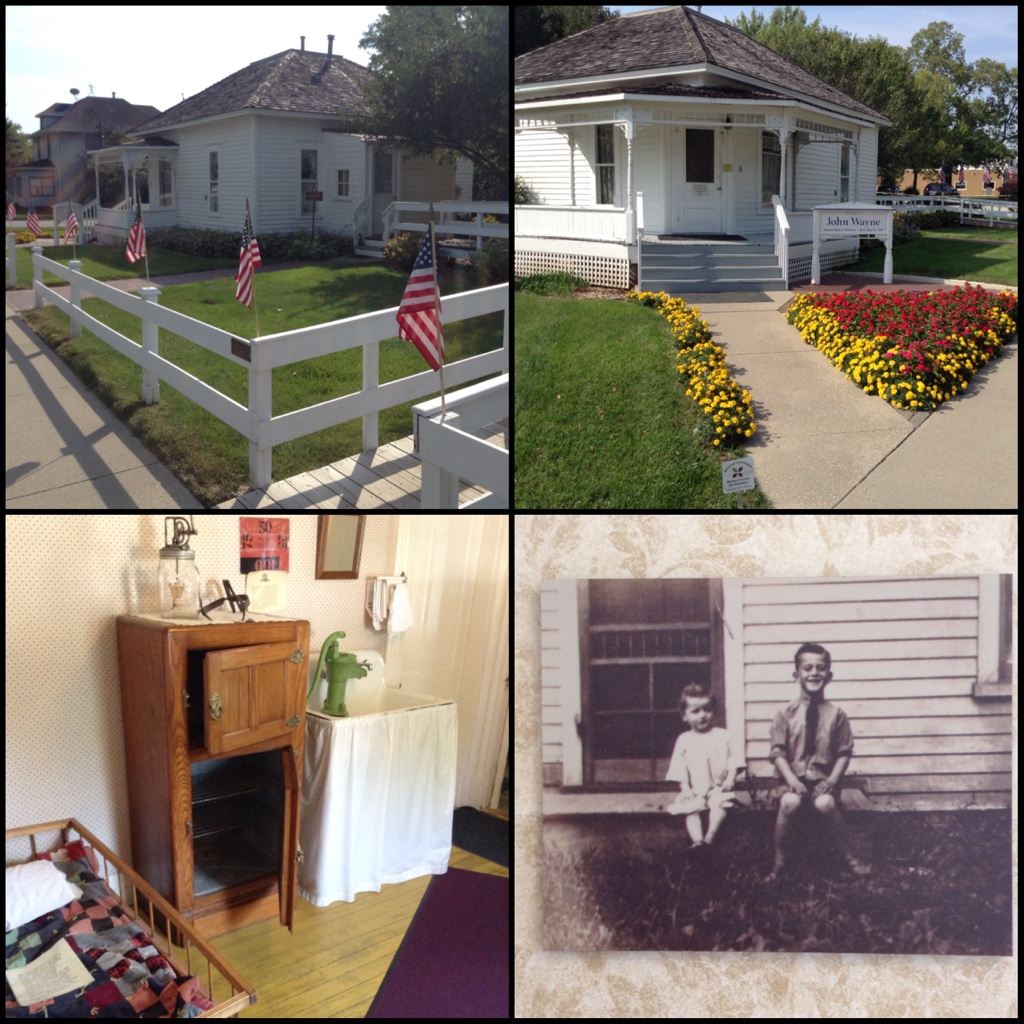
I head to the other end of the store where there is a neat little cafe set up and more goods. In the meantime, Jack perusing the information stand, finds the John Wayne Birthplace and Museum brochure. Winterset here we come!

Born Marion Robert Morrison on May 26, 1907, John Wayne is one of the most recognised western actor's history has seen.


This small museum has a theatrette, a gallery with costumes, guns and other items used in films he starred in. It has one of his last customised cars on display, a buggy and beautiful panels from the ballroom in The Shootist.


The wax statue and painted scenes of Monument Valley are excellent. Monument Valley lends the perfect western landscape to many movies. Director John Ford made John Wayne a star in 'Stagecoach' in 1939. John Wayne directed and starred in 3 other films in Monument Valley – 'Fort Apache', 'She Wore A Yellow Ribbon' and 'The Searchers'.


John Wayne starred in 152 movies! (200 actually, including cameo appearances)


The sweet little 4 room house and birthplace of John Wayne sits on it existing site just round the corner on the same block as the Museum and Gift shop. It has been restored and includes period furniture of 1907 when he was born.


Then it was back on the road!

We need to be in Faribault, Minnesota y'all!

Kat xo


Oklahoma/Kansas

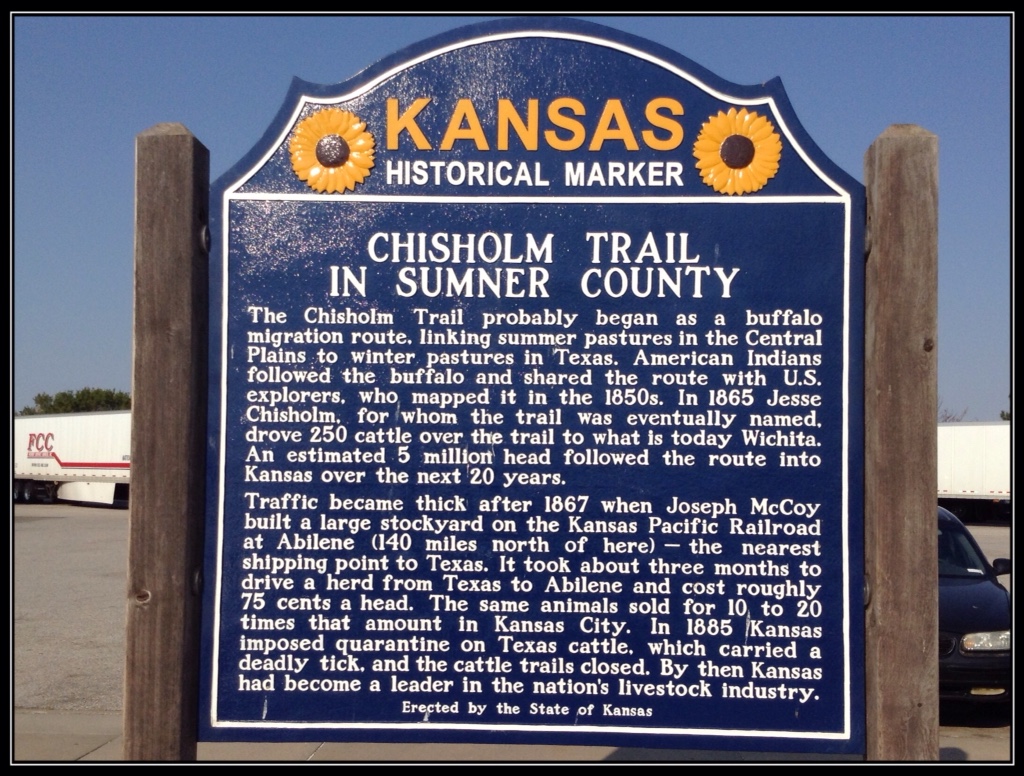
After a feed at the chuckwagon (aka Dennys), Jack and I jumped in the buckboard and reined in the horses (aka Dodge van hp). We are headed for Abilene, Kansas along the Chisholm Trail. Well essentially the modern day version of it being the I-35 which runs all the way from Texas through Oklahoma and up into Kansas.


This year marks the 150th anniversary of the Chisholm Trail – the first cattle drive that headed north to Abilene. 1867-2017


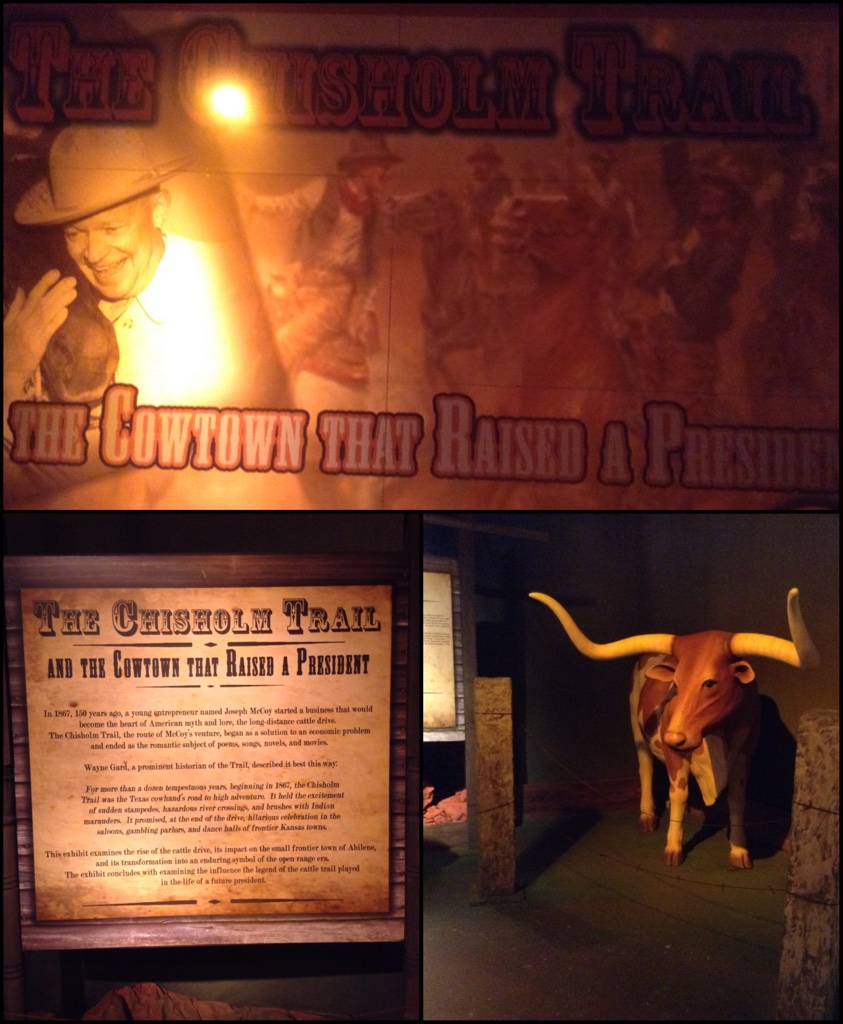
We made good time and stopped in at the Dwight Eisenhower Library and Museum. The museum currently has an exhibit 'Chisholm Trail and the Cowtown that raised a President' and the library has two exhibits 'The Chisholm Trail: Driving the American West' and 'Eisenhower and the Great War'.

First up we watched a documentary on the Eisenhower years and about the man himself. Dwight David Eisenhower, known as 'Ike', was a formidable man indeed, one of compassion and decency.

Next we went on a short guided tour through his Abilene boyhood home. The house is on its original site where the Eisenhowers lived from 1898 to 1946 when his mother passed away. There are still items within the home that belonged to the Eisenhower's.


He lived here from when he was 8 until he was 20 before leaving for West Point Academy. Six boys were raised in this home.

The blanket on the fainting couch was woven by the great grandfather who was a weaver. It is over 160 years old and still appears to be in really good nick!


The wooden box with the lid in the kitchen is a dough box. Ida made 9 loaves of bread every other day, to keep the boys fed.


Next we went into the Museum and spent a good amount of time in here. The first part of the exhibition was information that most of us cowboys and cowgirls know of the Chisholm Trail, its origins, the cattle drives, the cowboy's and how Joseph G. McCoy and Jesse Chisholm made it into the history books.


Chisholm, after marrying, had worked for his wife's father's trading post along the Canadian River in the Indian Territory (Oklahoma). He also worked in a diplomatic capacity, brokering treaties with Indian tribes for the Republic of Texas and the United States Government.

Later after the Civil War, he went back to trading and essentially transformed the trails to be more usable by heavily laden wagons. He continued trading until he died in 1868.

McCoy after having been turned down from a few towns finally settled on Abilene, KS for his new 'cowtown'. There was a quarantine issue for Texas cattle at the time and after lobbying the Governor of Kansas got permission to create a corridor for cattle to be driven from Texas through to Kansas. Holding pens were built, paths were surveyed on the previously travelled trails that Jesse Chisholm had traded along.

It soon became the first of the cattle boomtowns. In a few years it had transformed from a small frontier town into a thriving boomtown.

The trail had been called many names and was finally officially recognised when the name was publicised in 1870. The Chisholm Trail was about 150 miles west of the old Shawnee trail. It was shorter and there were plenty of grazing grasslands and water for the cattle along this route and rivers were easier to cross.


Abilene, saw the usual well known figures flow through its streets such as Wild Bill Hicock, John Wesley Hardin, and more. Problems ensued with the cattle trade with cattle getting sick and the 'Texas tick' causing issues that essentially shut the cattle trails down in 1871.

It is said by historians that an estimated 3 million head of cattle made the trek from Texas to Abilene in a 5 year period. Safe to say Joseph McCoy's plans for a prosperous cattle business were indeed successful.

Whilst time and governance closed the cattle trails, the legacy of raising cattle and creating new agricultural ways has lived on for generations since.

One of Eisenhowers personal hero's, was a man named Thomas “Bear River” Smith who served as Sheriff in June 1870 until he met his demise in November of the same year. Smith had managed to tame the cattle town and was well liked. He policed mainly with just his spirit and a badge. He had outlawed gun carrying within city limits. His tenure was short lived when he was murdered during a homestead scuffle where his Deputy left him to fend for himself.

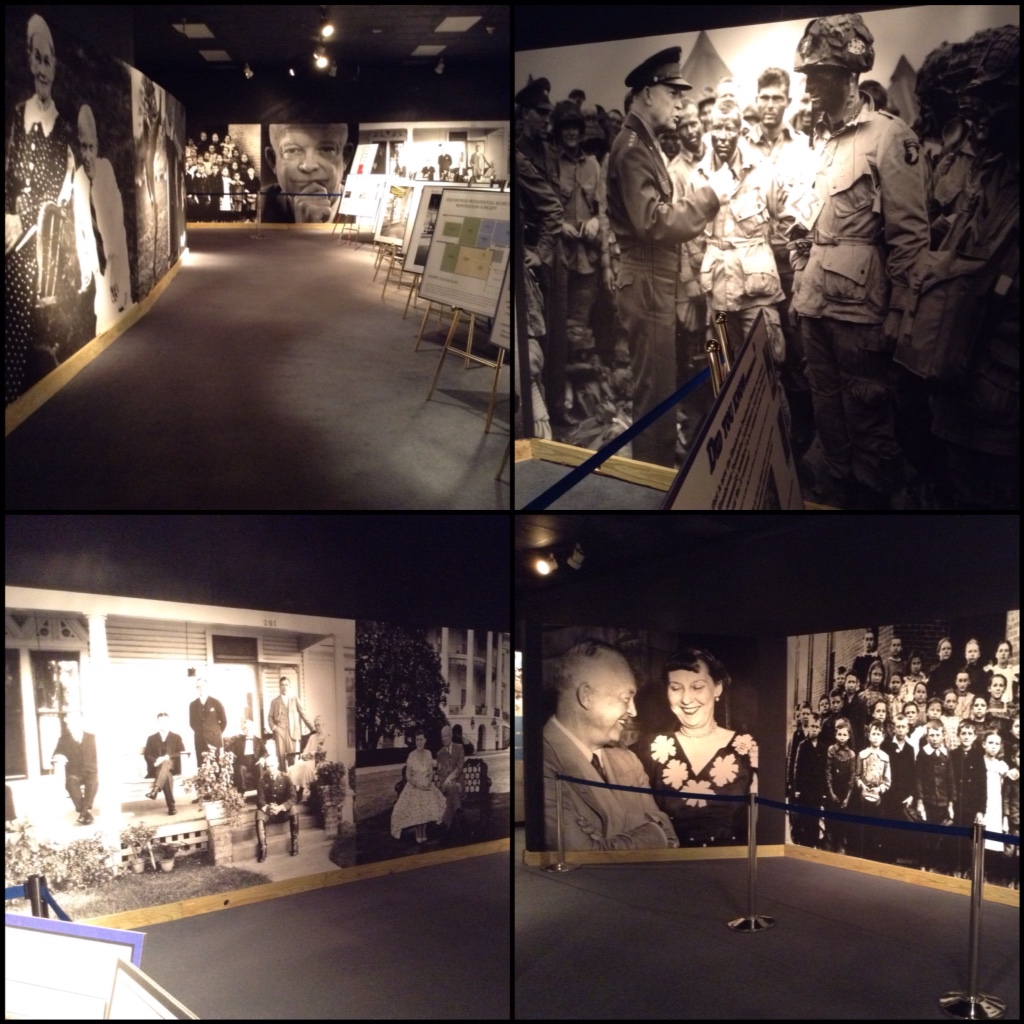
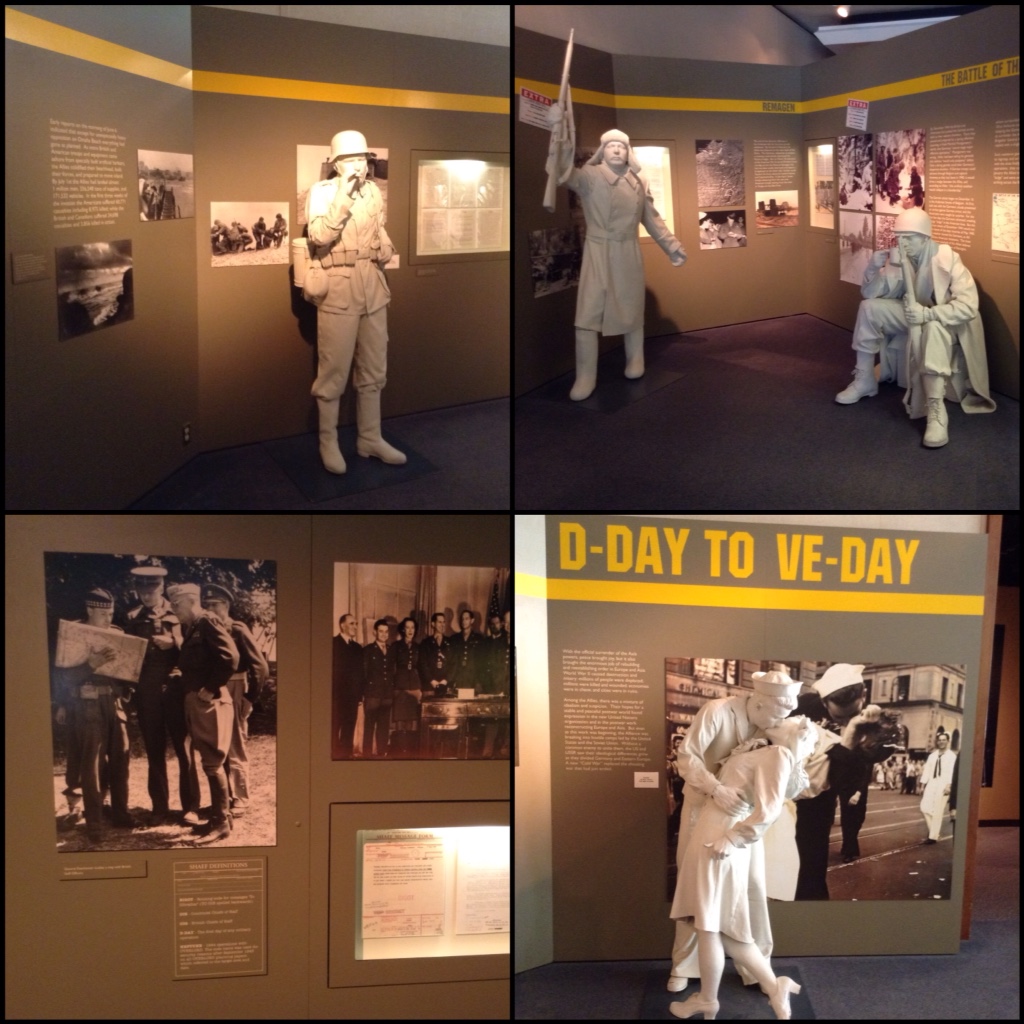
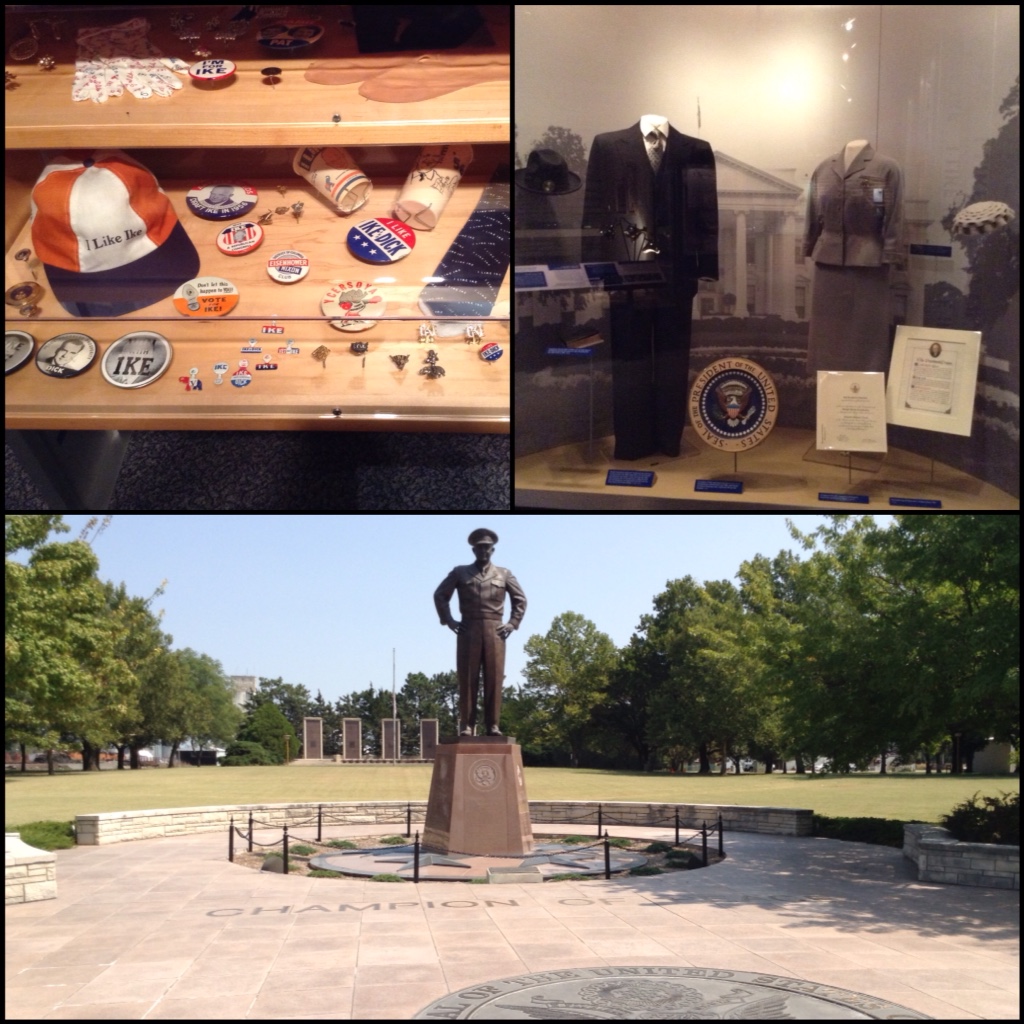
Into the next lot of exhibit rooms and there are lots of displays of Eisenhower growing up, Mamie his wife and beautifully displayed clothes of hers on rotating mannequins in climate control cases.


There are exhibits of his time during WWII and his exceptional leadership, D-Day, VE-Day, his presidential time etc. so much information, beautifully done and they are looking at changing the displays and renovating the museum. It will be an even more impressive museum when they do that. This is a Museum not to be missed.


The library across from the Museum had a, shall I say, more modern twist in a shortened version of the history of Chisholm Trail. There is also another exhibit currently being held there of Eisenhower and the Great War that we didn't see.


That my friends, is our quick history lesson and Museum visit for the day.

After a short stay with our Kansan friends Cooncan and Bertie Winchester we will head for Union Station in Kansas City before going on through to Morristown, MI.

See you on the trail!

Kat xo

https://www.eisenhower.archives.gov


Colditz Castle, Germany

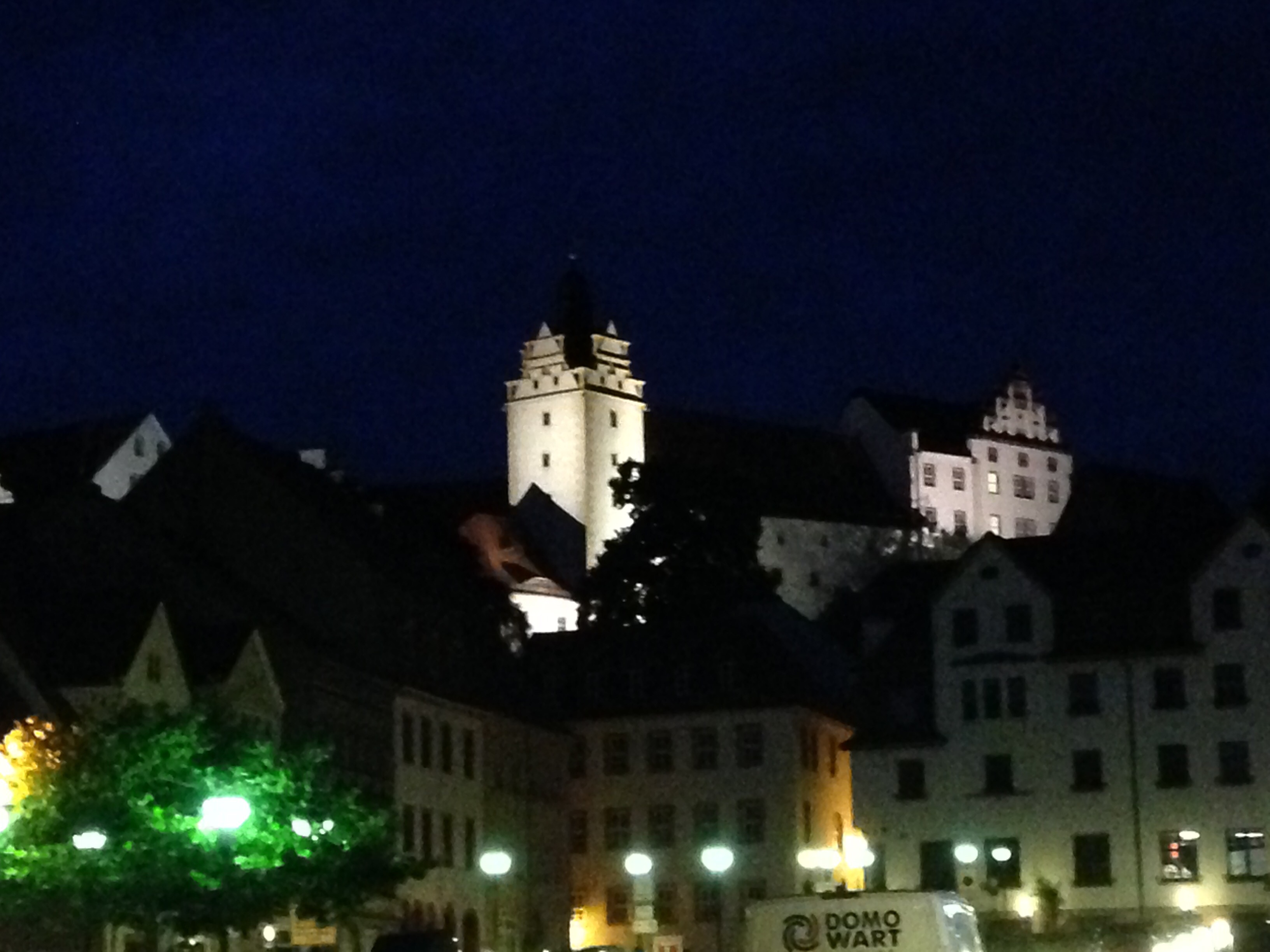
With a side trip via Dresden on Saturday afternoon August 19th, we wound our way through the German countryside to Colditz.

Arriving late afternoon, the very helpful tourist information girl rang around countless hotels and pension’s (pronounced pensh-ee-on) to no avail. Jack wandered off down around the corner to one he had stayed at 12 years ago and found the same guy running it with a room available.

Done! We were checked in and the room, I will add, was white walled, rather large and fresh compared to the burgundy wallpapered tiny room of Prague.

Being beer o’clock we took a short walk back into the square to find no pubs!?? Back to the Pension and asked about a watering hole.

He told us there was a pub up a side street, which I had seen outside umbrellas that were down. Odd for a Saturday afternoon but he assured us it would be open at 5pm.

Off we trot to find that it doesn’t open until 6pm!!!?? What is this place? Lol!

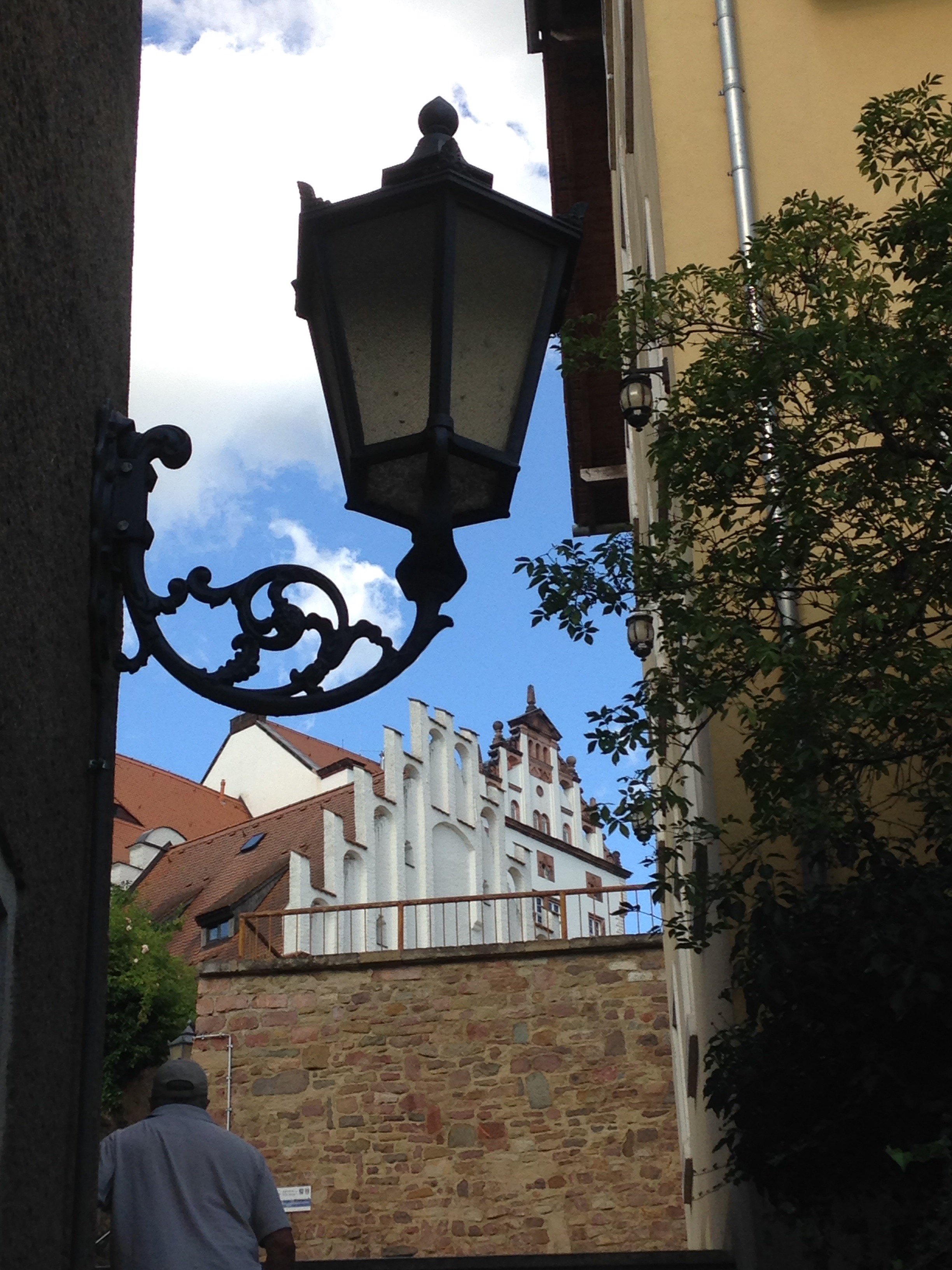
Okay so we decide to take a casual stroll up to the castle and then see a sign for another pub. Well it’s not like we don’t have time to find it and see if it is open.

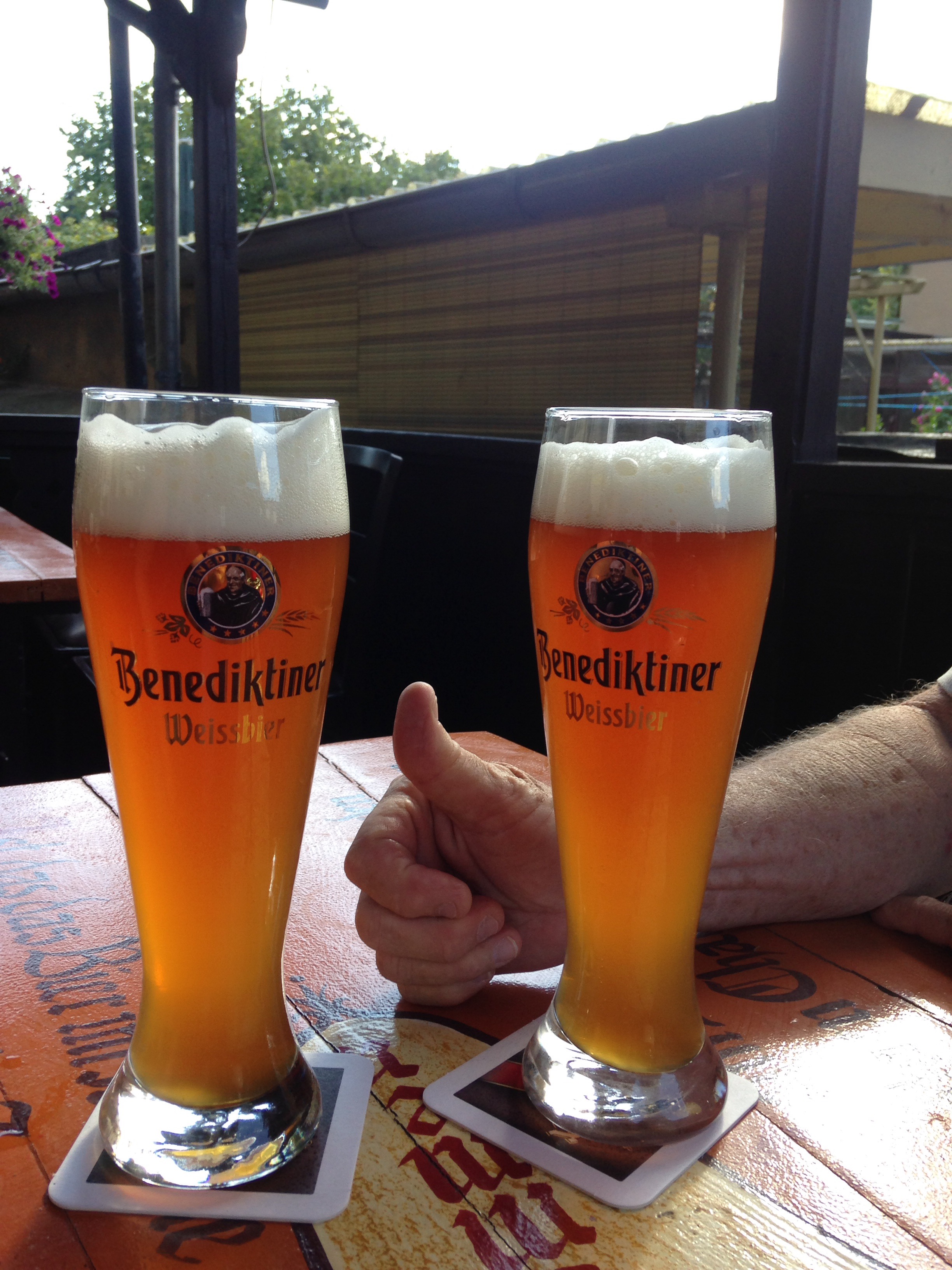
Walking uphill and earning that Weiss Bier we found the little hidden pub and yes our best Little amount of German ordered a couple and went out to the Biergarten. Prost!

Two rounds later and we headed back down the hill to the first pub.

It’s bustling (lol!) with 5 patrons watching soccer. We take a corner booth under the screen and have a Guinness limited choices here and that’s when I spy the Four Roses Bourbon in the corner shelf from Kentucky!! Schnitzel followed with the next round before returning to the room.

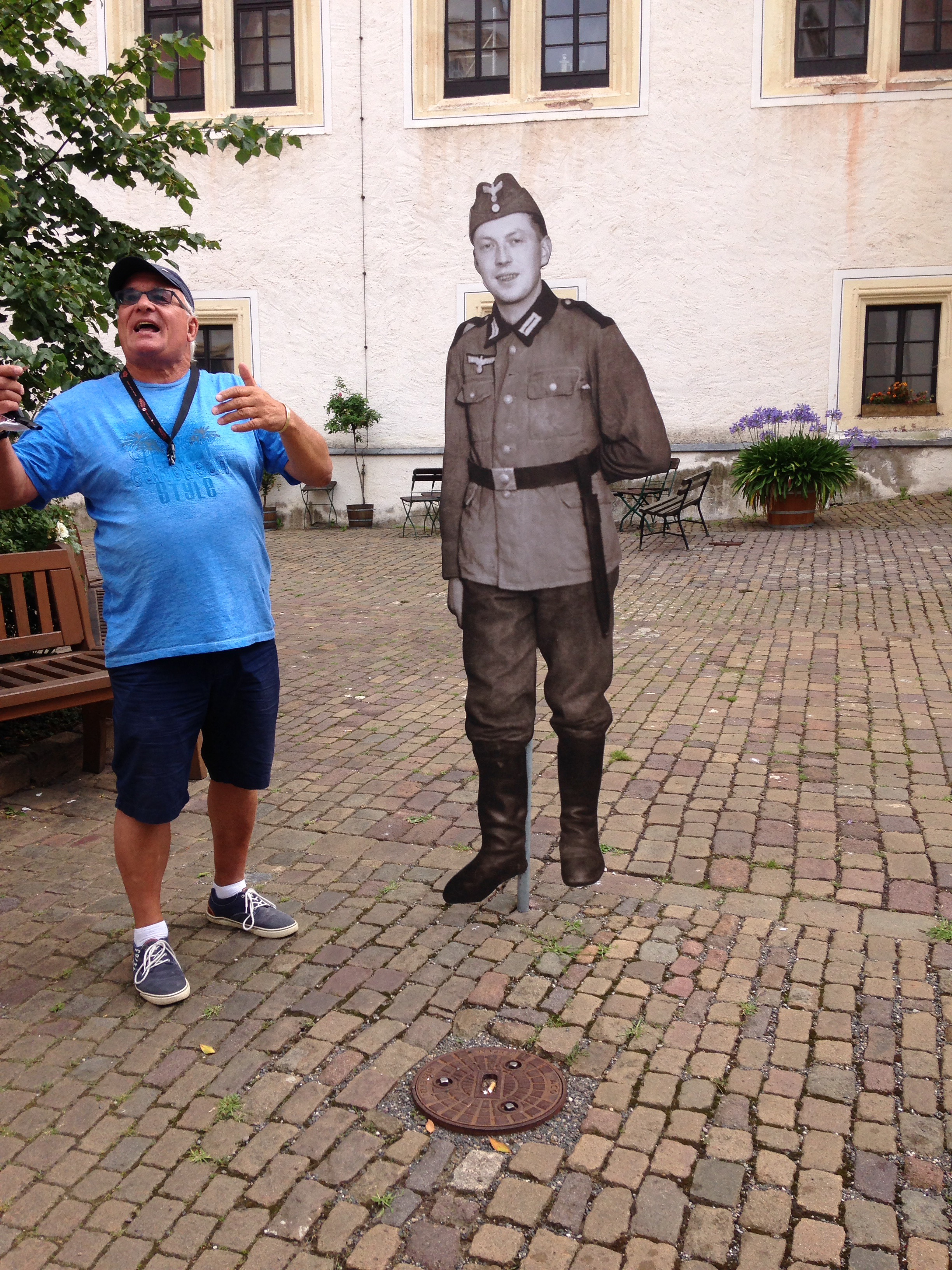
Sunday morning we are up to the castle for a tour and our guide Alex is a mix of U.K., Polish and living in Germany.

Colditz Castle in the saxony state of Germany had begun construction in 1046 and was burnt down twice.

Colditz has a long Royal history before it was otherwise used as an asylum, a children’s home, an old people’s home and during 1939-1945 was a concentration camp.

The more modern part of the building was added in the 1800’s and is now the Jugendhergeege Youth Hostel and to the right of it is the music school where students, orchestras and performers from many countries come to play.

Jack recognizes a section has changed and asks Alex about it. In 2006 they removed one section to reveal what would have been the Royal baths with tiered gardens behind.

Back to the War period and many of you may know some of the Colditz story or have seen the documentary regarding the attempted escape with the plane.

During this time 320 escapes were attempted, 28 were successful with the intended route into Switzerland some 640km away.

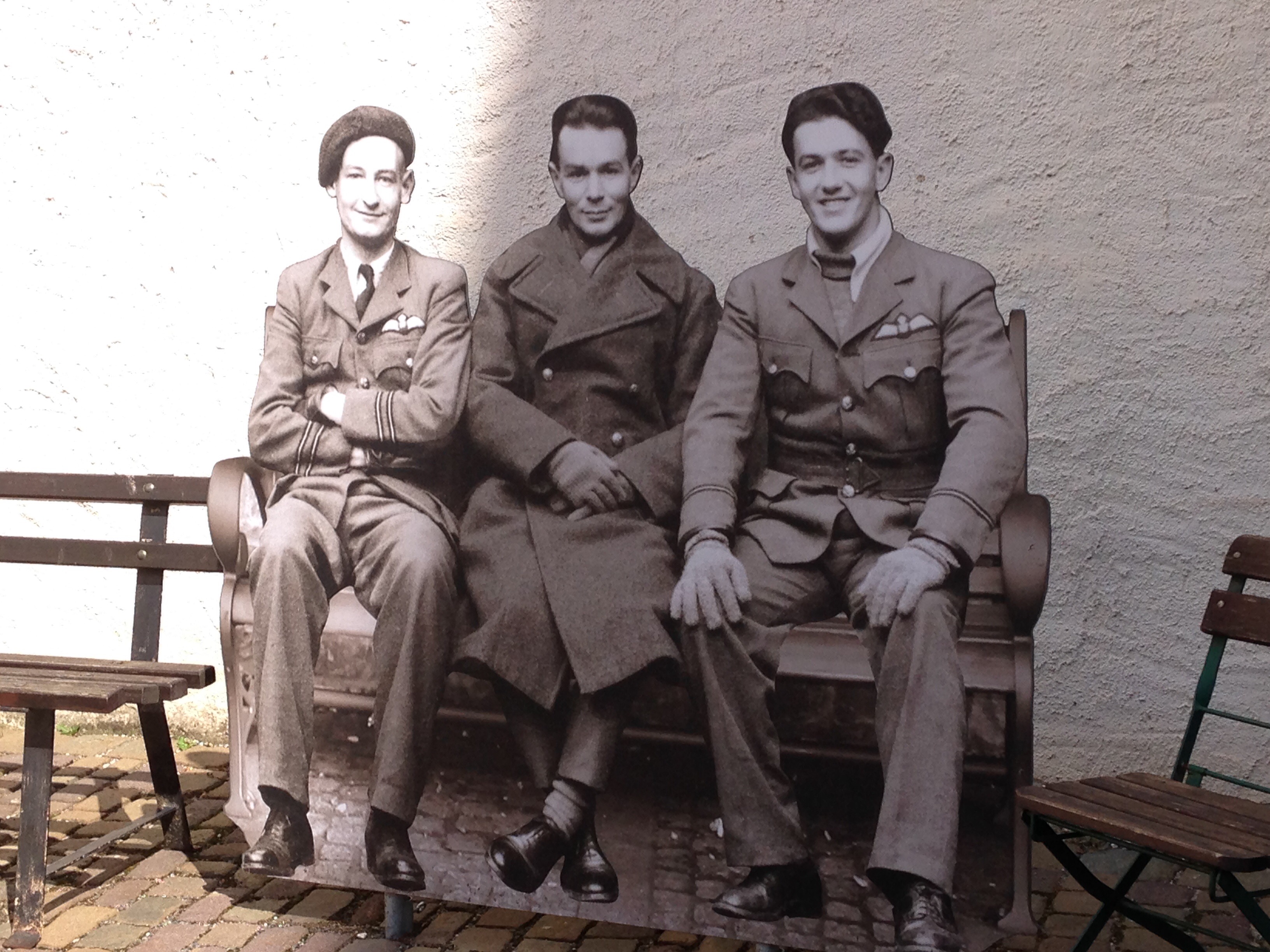
Around 5-600 prisoners were held here at any one time with numbers increasing towards the end of the war. Interestingly of those, 21 Australians and 12 New Zealanders were held captive here.

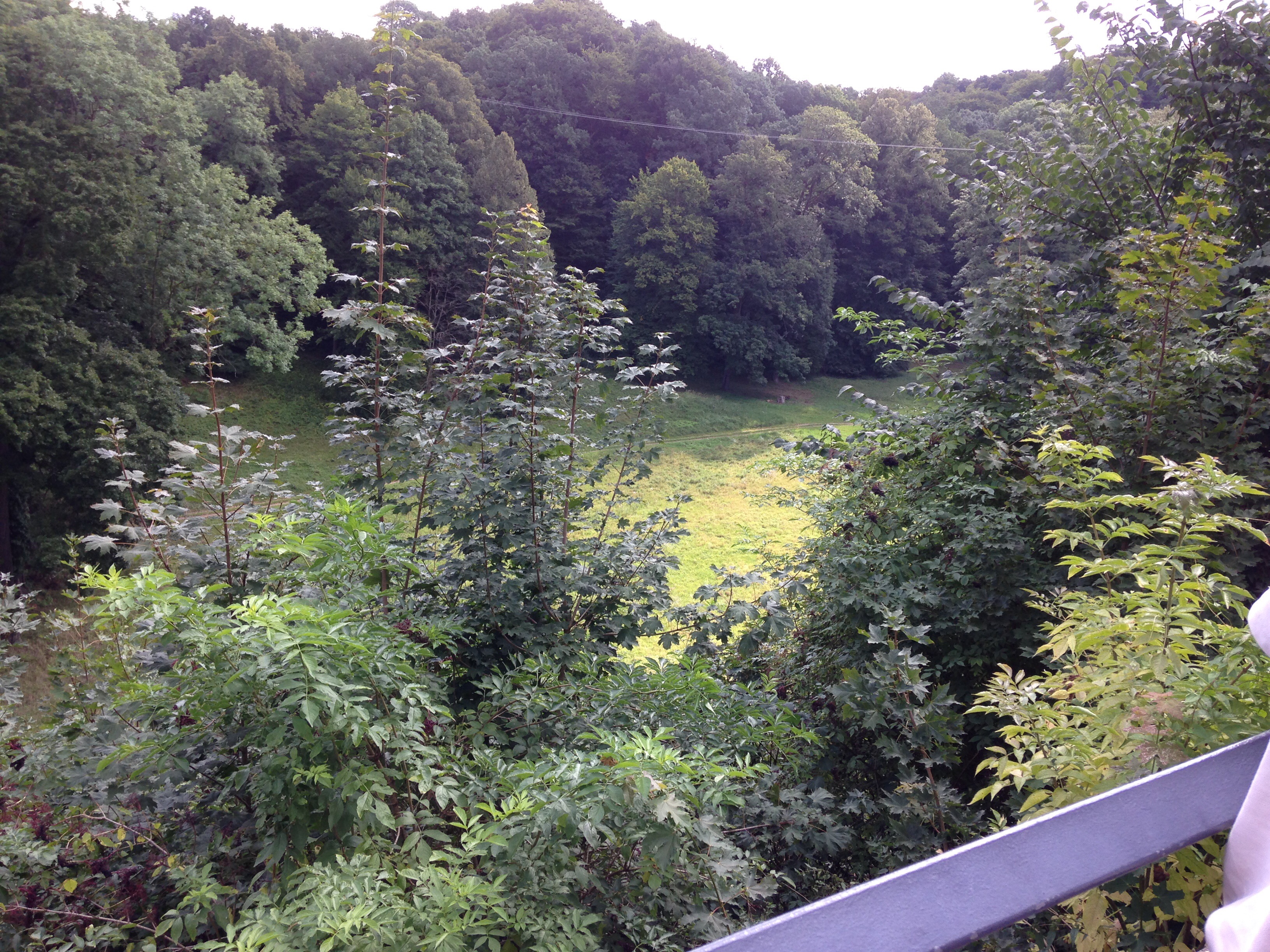
Through the castle to the back section and we can see the back of the building to the officers quarters and the prisoners quarters to the right. Over the wall behind us is forest and a grass field where prisoners used to play soccer.

As you can see, a great place to escape but there would have been machine guns and barbwire.

A partial wall left in the trees is where two escapees got out. One stole a bike and made it to Switzerland in just 8 days! The other walked his way there in 5 months!

In 1939, 700 Polish prisoners were in Colditz and was then changed to imprison high profile prisoners.

These prisoners were VIP’s with some related to Churchill or the Queen and other high profile families or ranking.

The Castle used to be a drab grey which the Germans saw as formidable and the Captain in charge thought that being built on 30m of solid rock that it could not be escaped from let alone tunneled out of!

The French created a tunnel below and through Colditz taking them just a mere 9 months to do so.

There were 150 guards at the beginning and by the end 300 – 1 guard to every 2 prisoners.

As this was(?) run under the Geneva Convention, prisoners were allowed to be punished with solitary confinement. This just gave most of them more time to dream up escapes and ways to keep the guards busy. They were able to time the guards movements and use the information for their plans. Guards were tied up 4 times a day with roll calls and keeping track of where all the prisoners were.

An Englishman and a Dutchman were the first to attempt escape from Colditz.

Art Neive cut a German uniform from a Polish one which was supposed to be dyed the correct colour. Being a little impatient he escapes anyway and nearly blew his cover by taking a piece of chocolate from his pocket to which the Germans had not seen such luxury in more than 2 years.

He had escaped with another prisoner through the back of the opera theatre past 4 guards unnoticed. He escapes 9 times during that period and was killed years later in and IRA bombing. He was your original 007 and was with a Belgium woman who was considered the original ‘Q’. It is said that this is where Ian Fleming got the ideas for his James Bond books.

We headed up the spiral staircase to the loft and watched a shortened version of the very same documentary that Jack and I had happened across on tv just a few months earlier!

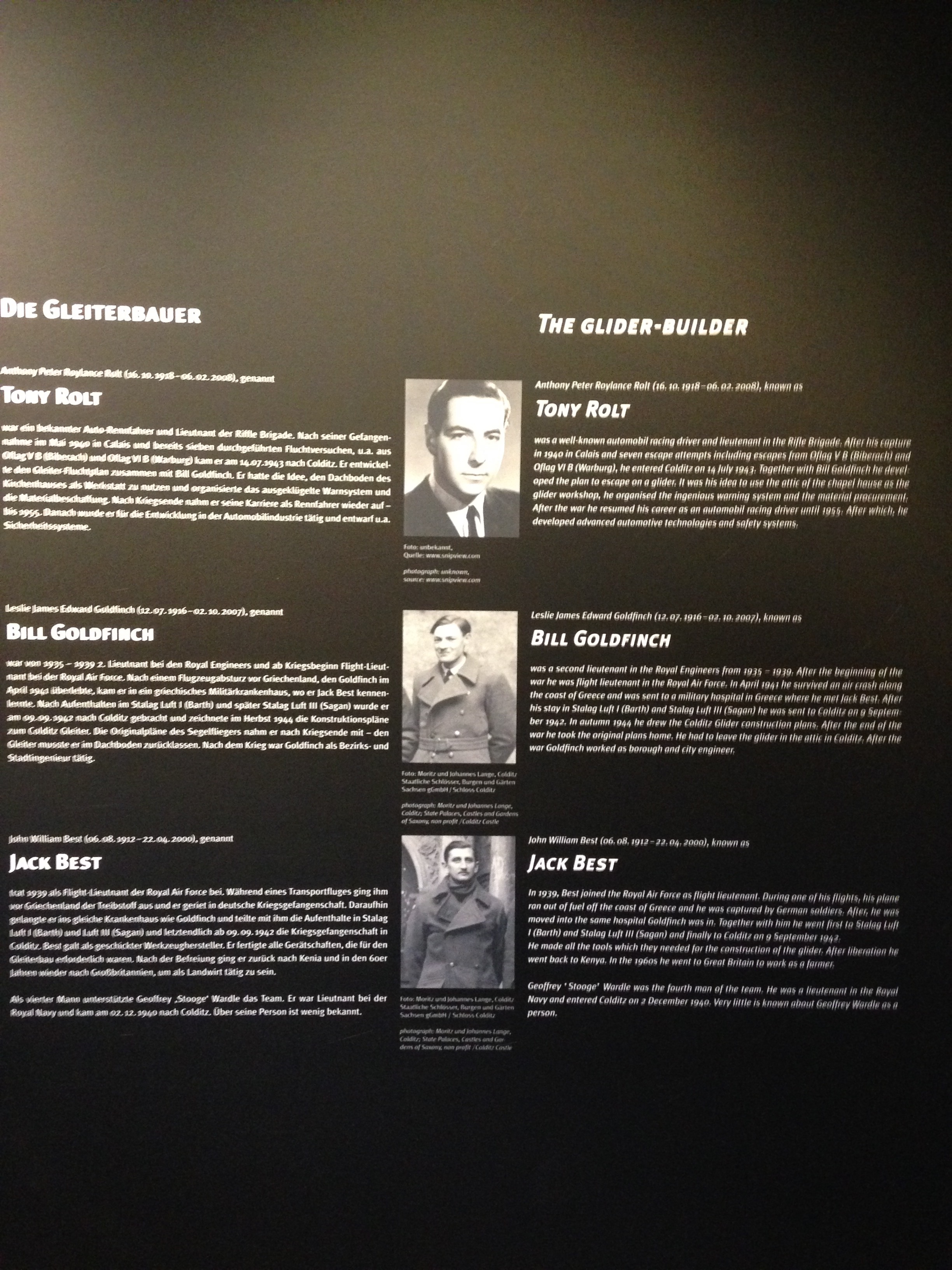
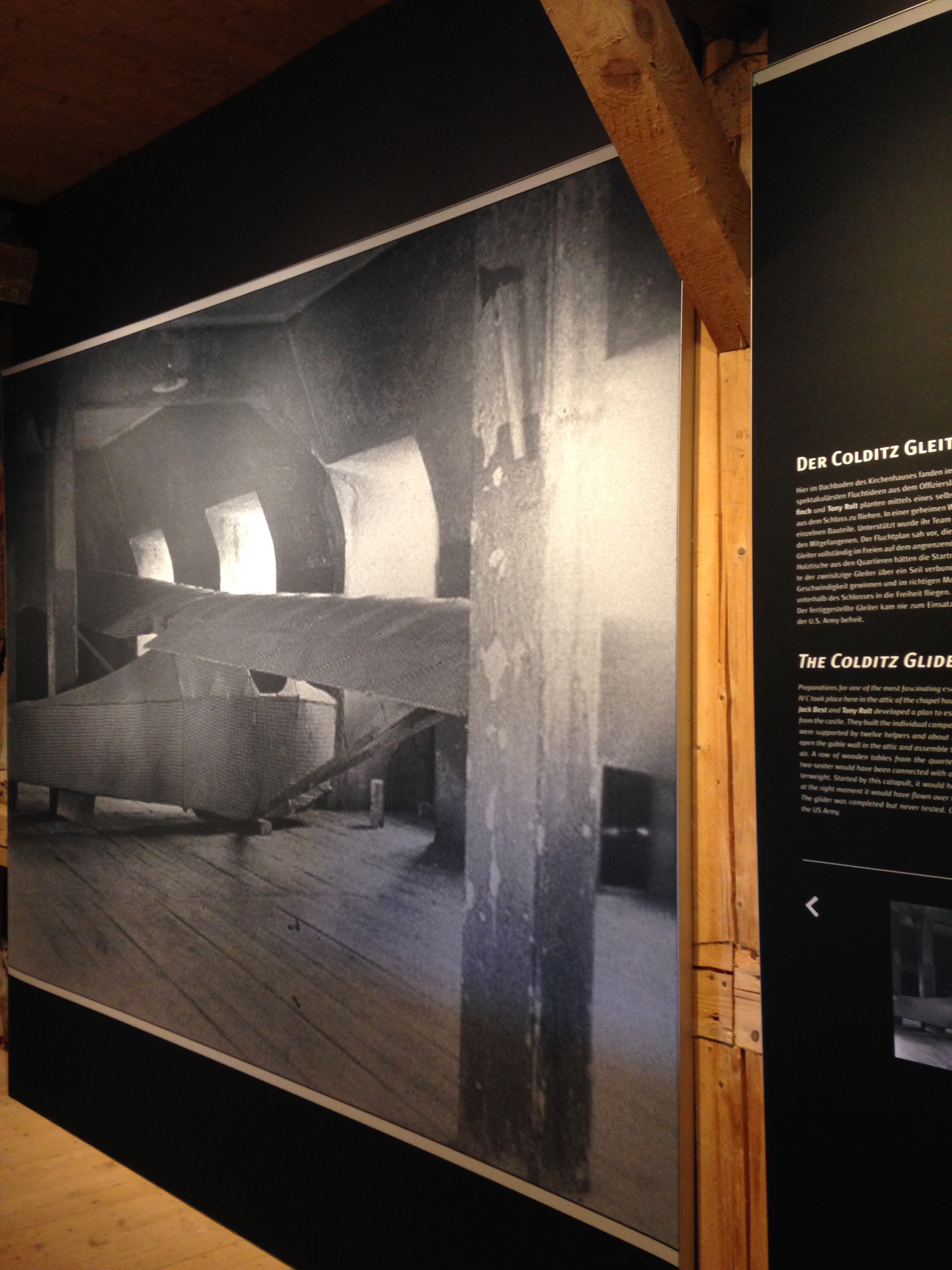
The guy in the documentary with some aerodynamic experts recreated the glider and launching that had taken place by a couple of British Air Force pilots during their Colditz internment.

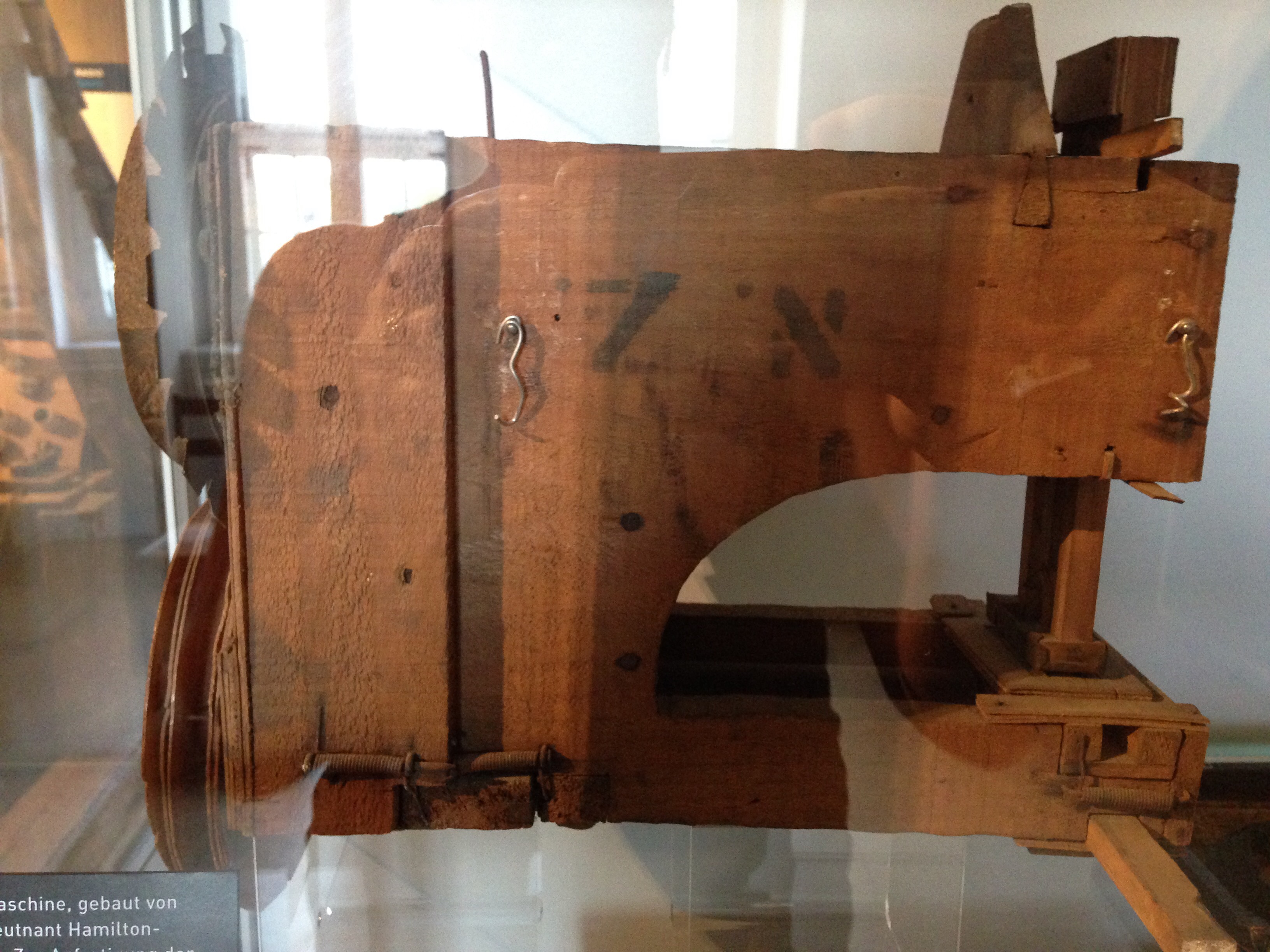
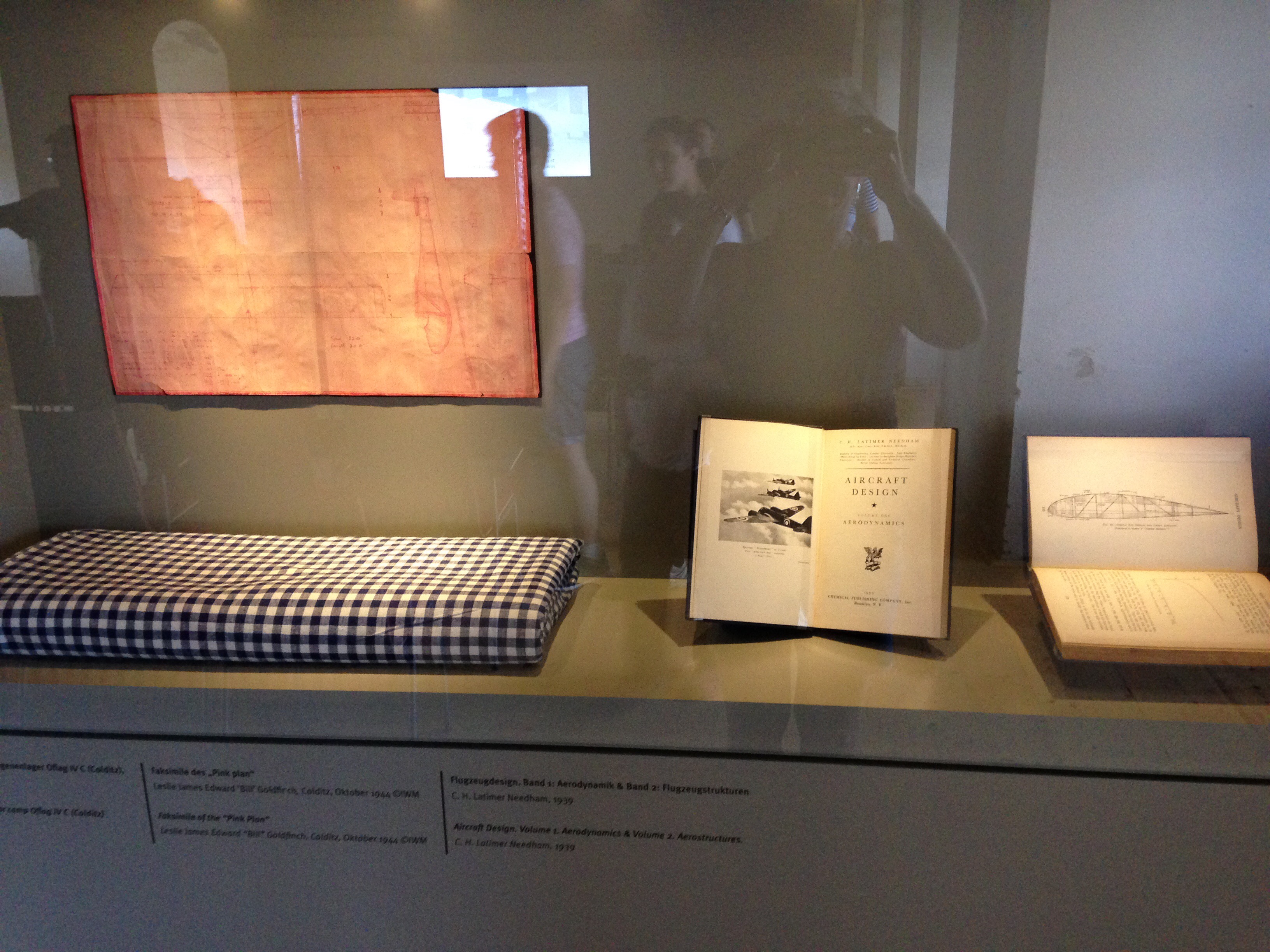
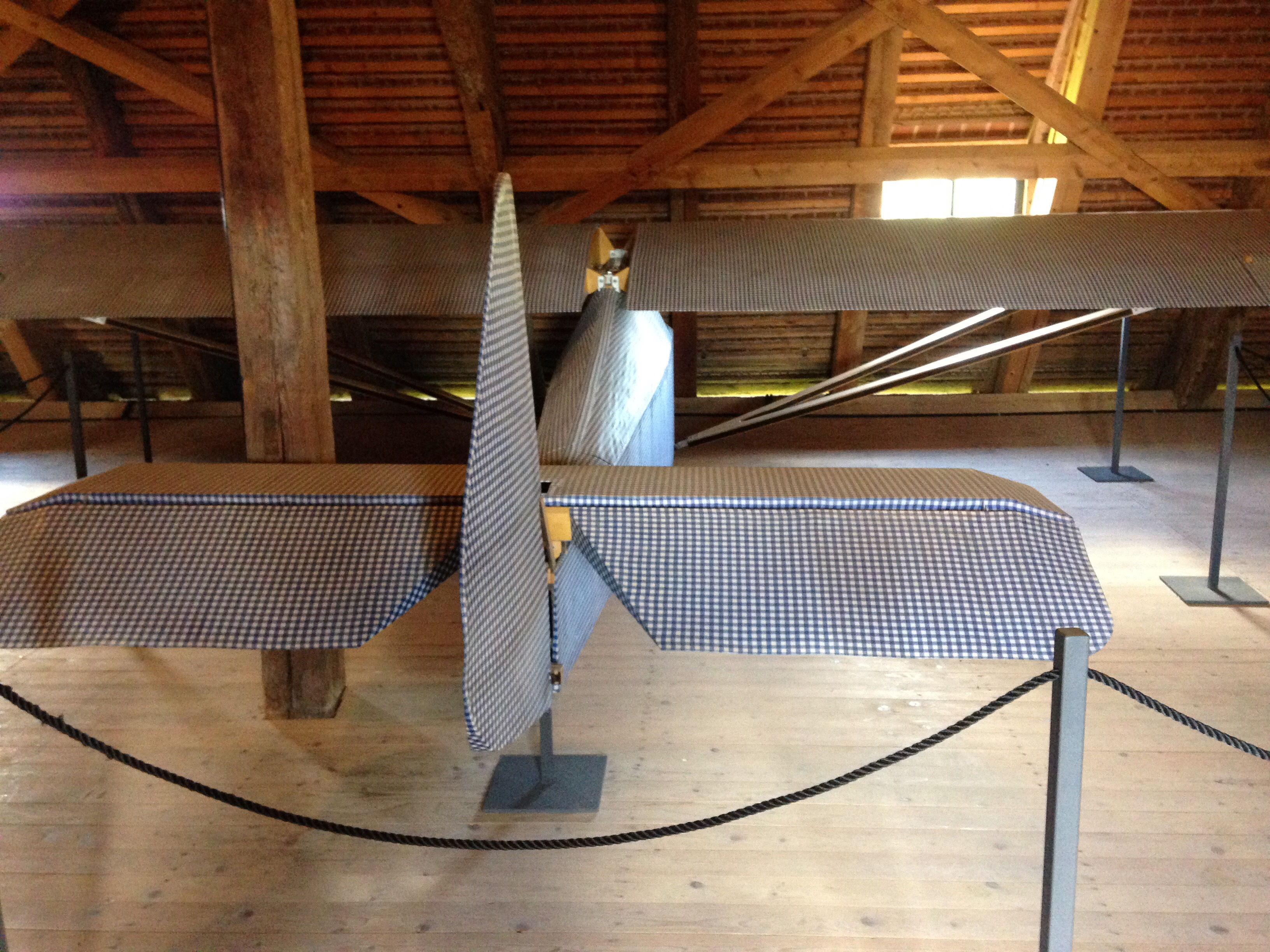
It really is impressive to think they they actually built a glider hidden away behind a false wall right under the guards noses! They found books on aerodynamics in the prison library and set about to build it with stuff just laying around.

The two airmen had said it wasn’t that hard there were supplies in hallways and other areas just for the taking that wouldn’t be noticed if gone.

They used their gingham bedsheets and made a dope from porridge to coat it with so the fabric would be taute.

The only photo of proof it actually existed was taken by a journalist that was with the Americans when they liberated Colditz.

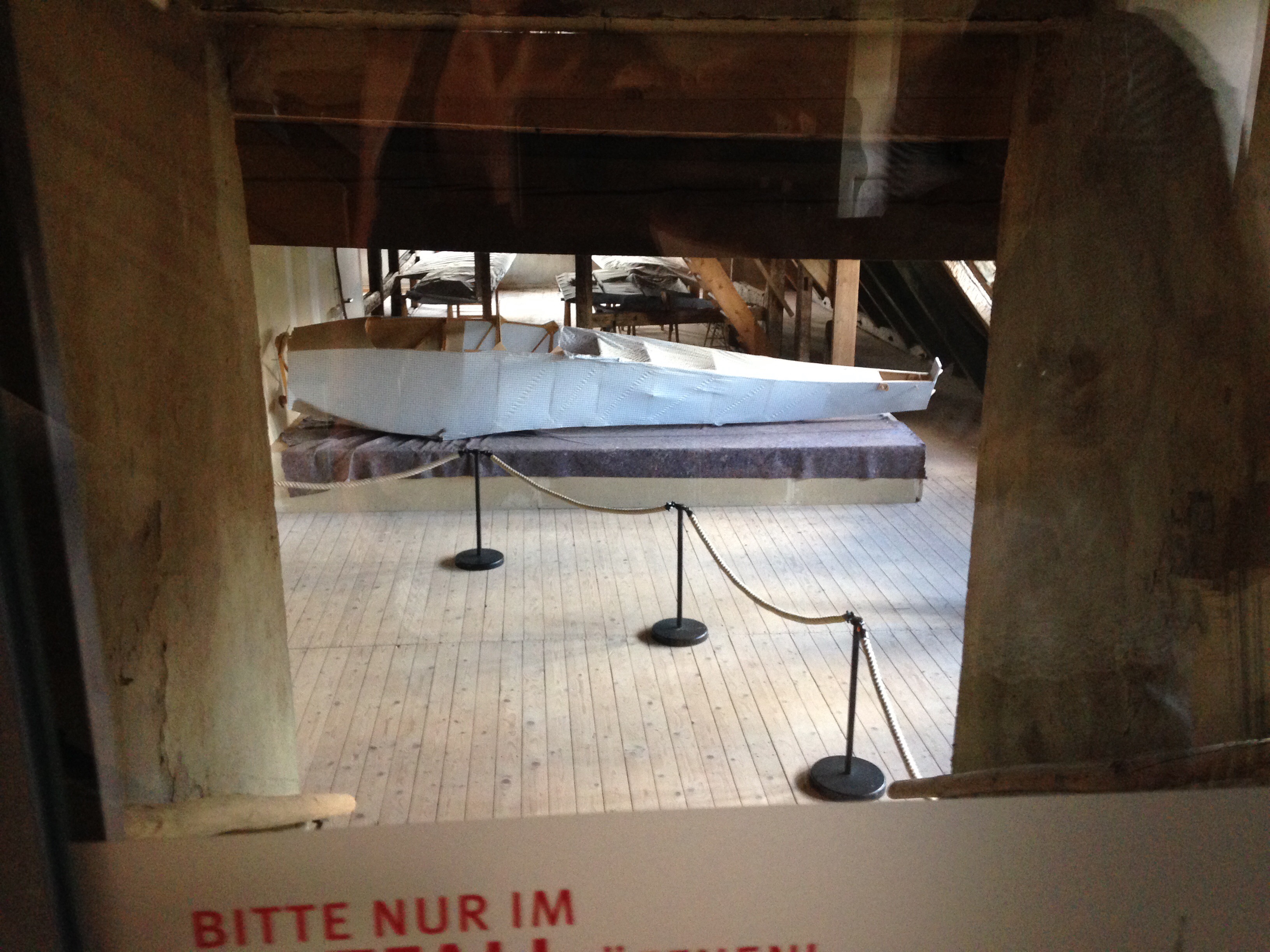
Behind the wall where the photo display board, was where they built the glider in just 1 year.

The replica in the attic has been made using the exact plans the airmen came up with.

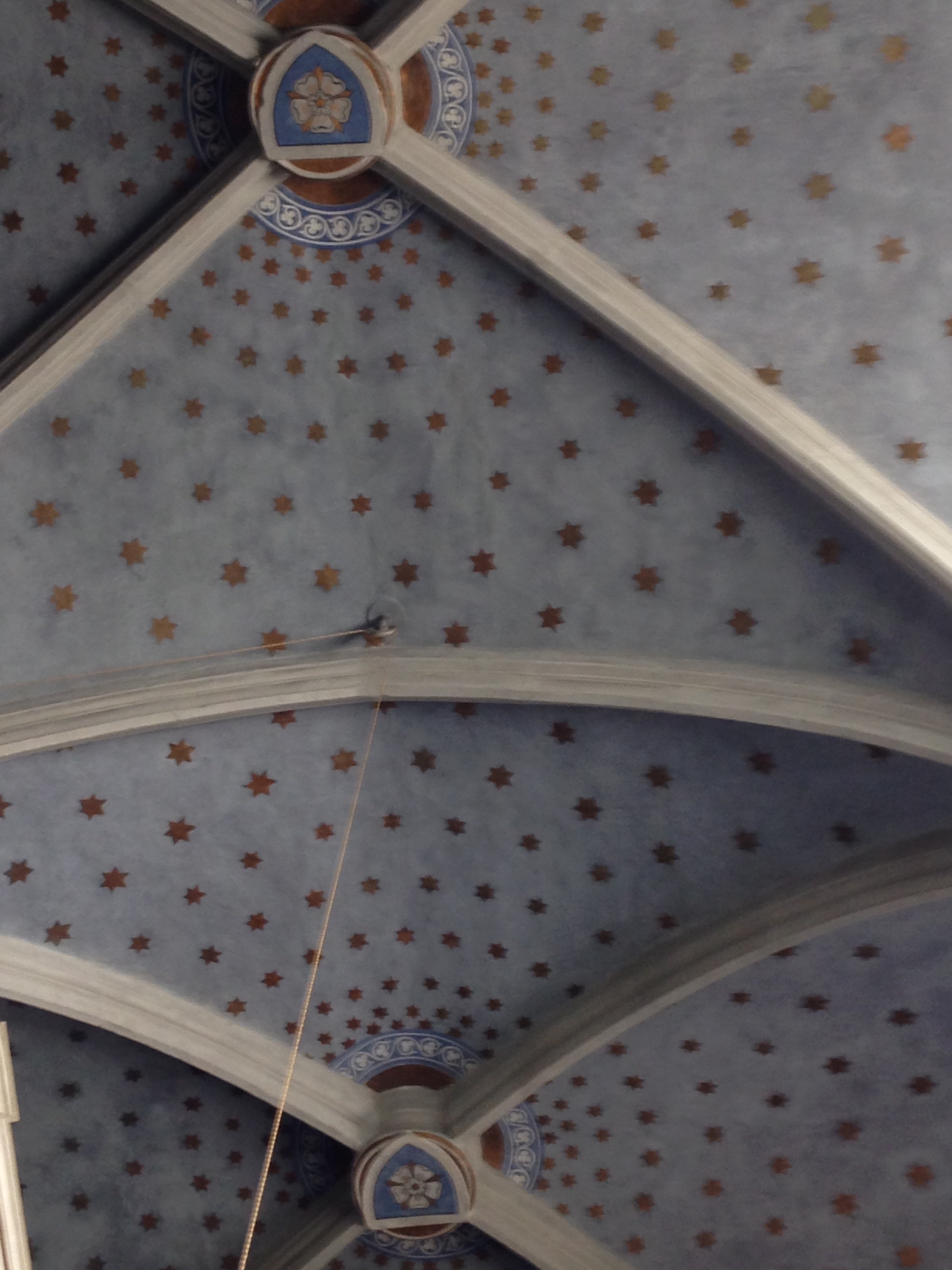
Lastly we went into the 1623 chapel. It was renovated much later and the back wall has only just been opened up to reveal the French tunnel work.

When the French discovered the gap at the back, they started creating a tunnel whilst the French organist played and the French choir would sing all day.

The mousetrap we saw in the first museum would sit underneath an organ pedal and if the guards were around it could turn off the power to the tunnel and the diggers would go silent.

The tunnel we saw in the cellar was just short of 46m. It is said that a young electrician was sent down to the cellar at the same time 3 French Officers landed in there. Of course they were caught and were made cement the hole back in (now removed again for their display purposes).

Also the rubble that they had taken out of the tunnels was deposited on the roof of the Chapel which later collapsed and they were made pay for the repairs.

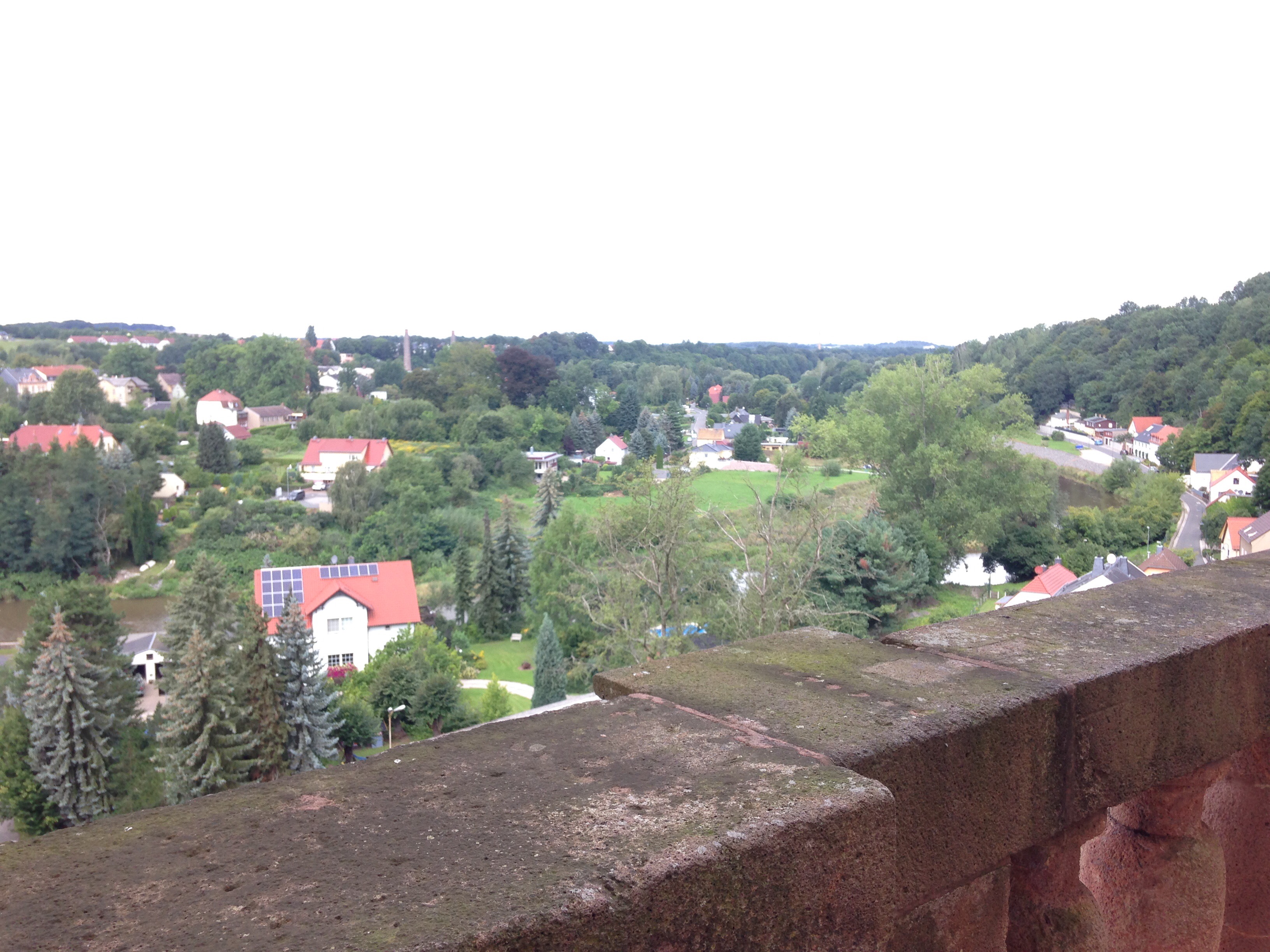
Finally we were shown the section of roof the glider was launched from and the field in which it landed and indeed could possibly have landed if they had had the chance to attempt the escape in the glider.

A great experience to see it after seeing the history documentary.

Onto Freising we went for our final stop before departing Munich.

Cheers

Kat xo