Lawrence of Clarence River

I amuse myself, Lawrence of Clarence River, thoughts in my mind was Lawrence of Arabia, I know, it's different. Just my twisted mind.

The little town of Lawrence, established 18 something, sits on the banks of the mighty Clarence River on the north coast of New South Wales. 18something!? You say. Well yes, 18 something, I can not find a specific 'established' date for this tiny little town steeped in history.

Photos within the museum tell me that it was a town more than likely around the 1860's. Public education certainly existed during 1864 however the school buildings foundation was not laid until 1880. Many other major buildings were not erected it seems until around the 1880's either.


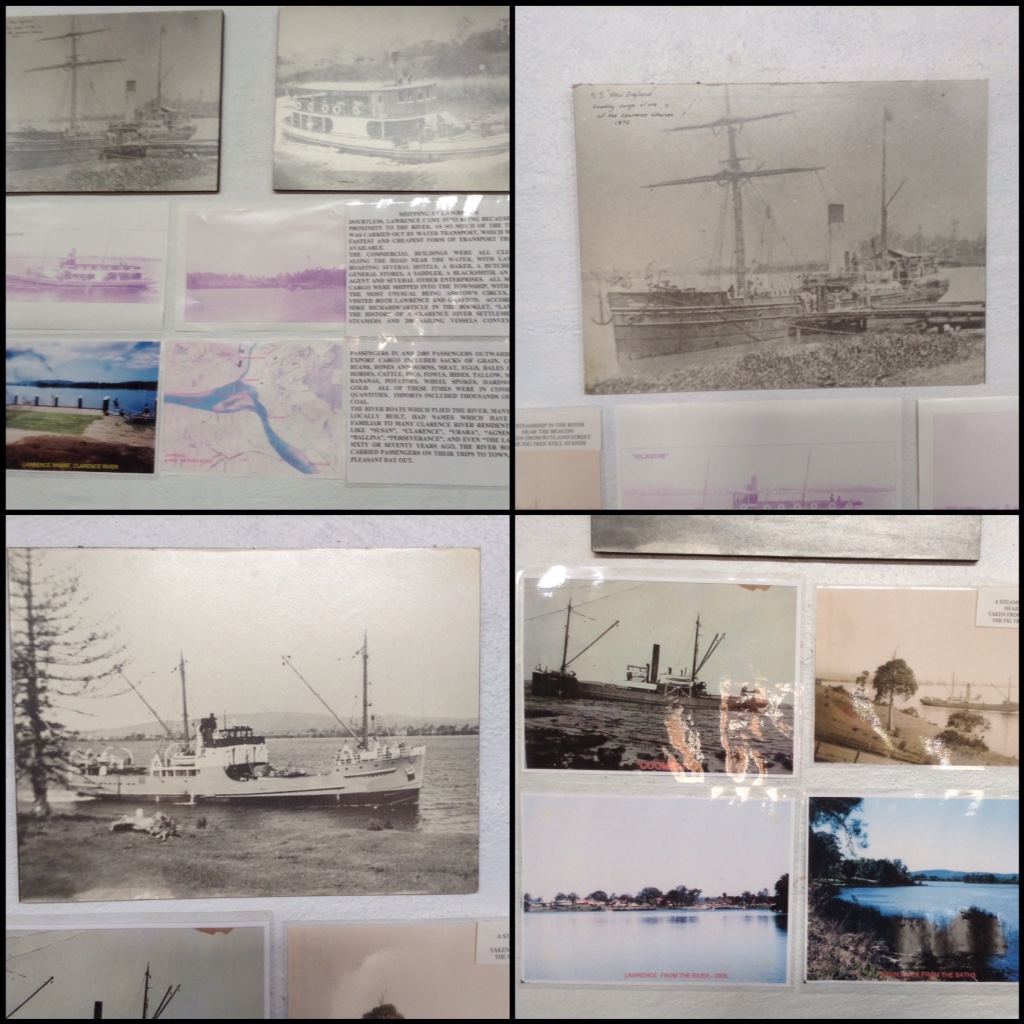
Past recollections of previous generations, tell stories of Lawrence being a busy little port with many wharves, a great number of boats hauling up and down the river, 3 hotels, 2 large sawmills, 2 general stores, a bank, and a butter factory!


Loads of potato's were shipped, timber, duck hunting seasons existed back then in Australia, the timber industry in the area was booming and for a price illicit rum could be procured from the surrounding bush areas. Bit like being able to procure white lightning from the hills of Kentucky I imagine.


Of course these days Lawrence is very much a sugar cane growing area and from Paddlewheel and Emeralds place it is not uncommon to see the occasional cane fire burn off.

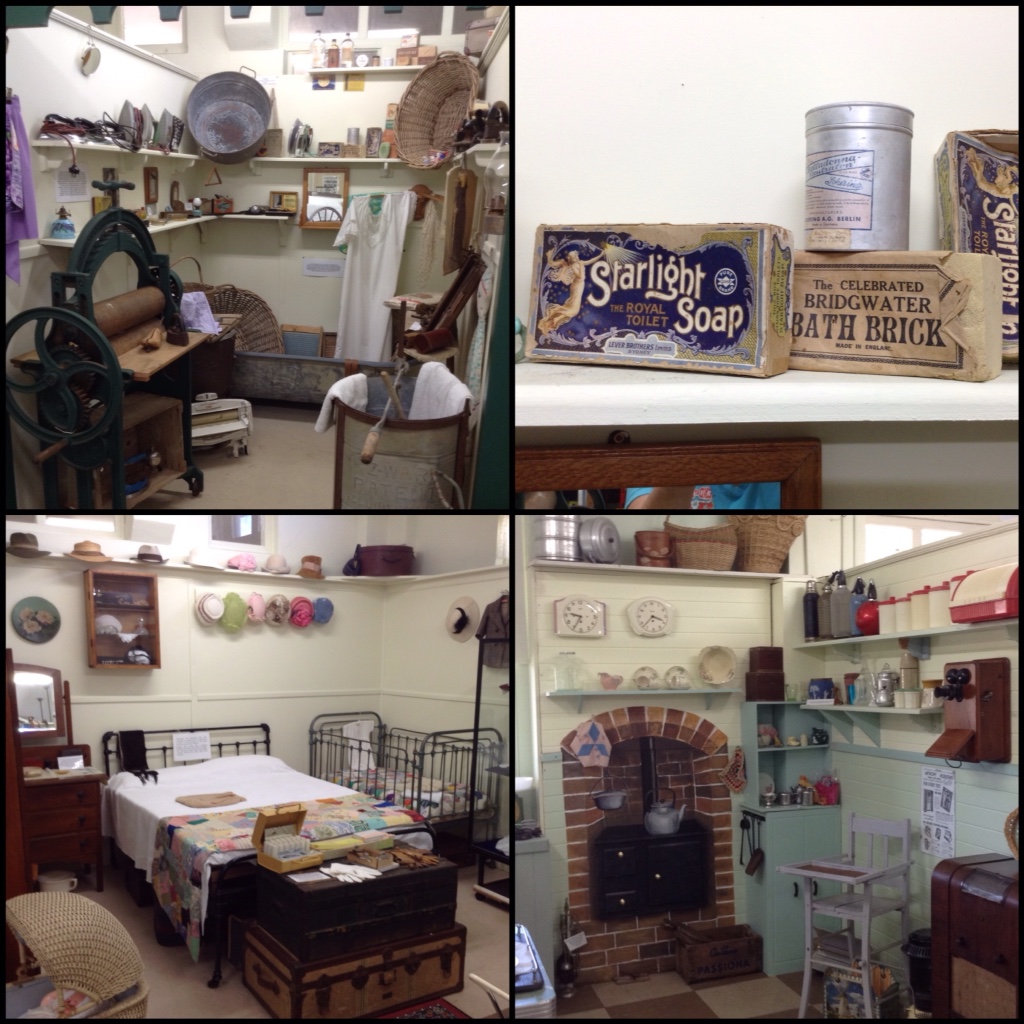
I mentioned the Museum. The Lawrence Museum is housed in an old radio station building. 2NR was the station. It has been stripped out – some radio gear preserved for history – and now has been set up as different rooms.

There is the kitchen area items, the sewing room with a beautiful display of sewing machines, merchandisers cards of needles, buttons, patterns etc.


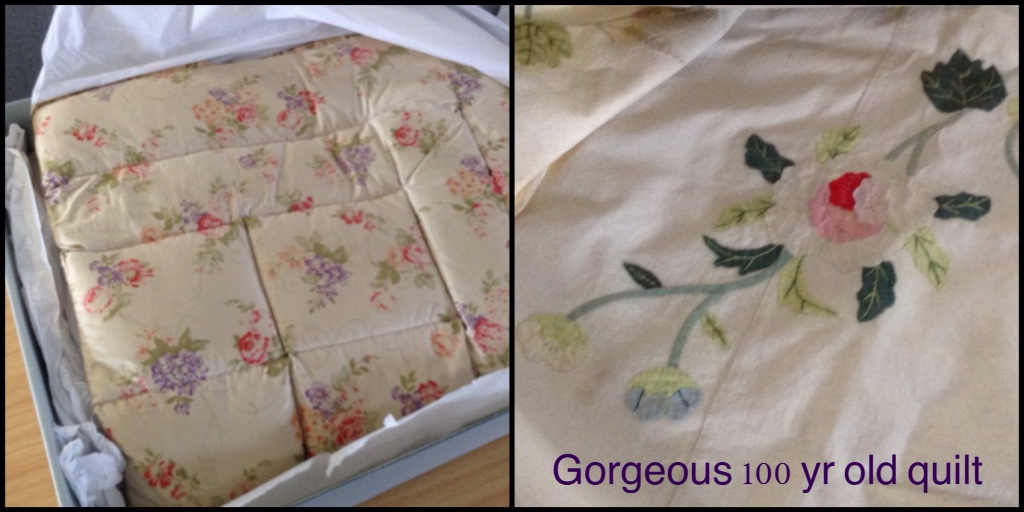
The bedroom is kitted out with baby linen, old quilts, beds, etc. The parlour with musical instruments, tea sets, and a gorgeous old wedding dress.


There are War related displays which are yet to be revamped as there are many more pieces to be included.


I was genuinely impressed by the hard work and efforts that the volunteers carry out here. They are to be commended.


To finish this quick afternoon tour, we stepped outside to leave. There are some out buildings filled with farm implements that I didn't go take a look at as it was near closing time.

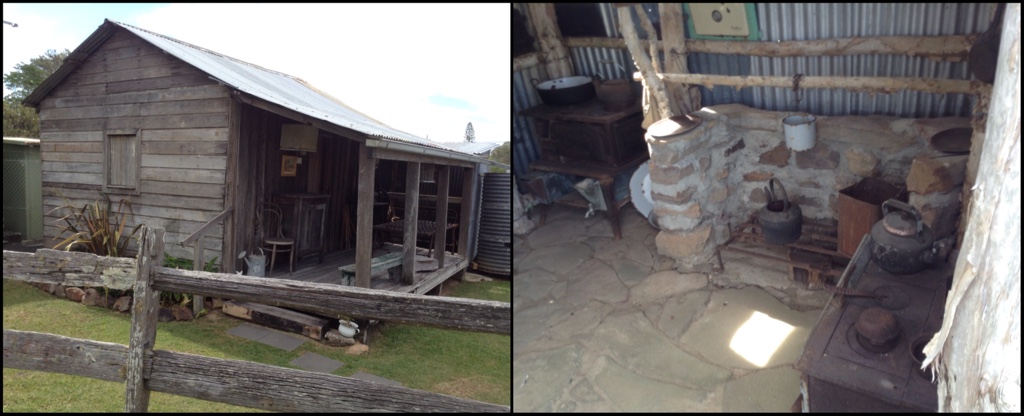
I did take a quick look at the very small cottage that housed a family with 8 children at one point! An interesting story in itself, the tiny cottage was home to a gentleman named Edward Ramsamy. Known as Ram Chandra he was, in later life, instrumental in assisting the Commonwealth Serum Laboratory with an antivenene for the deadly Taipan snakes.


So there you go! A little bit, about a small town alongside a big river. Thanks Emerald for taking me to see it!

Kat xo

20th November 2016


Remembrance Day

We held our minute silence on Friday 11th at the 11th hour in memory of all veterans both past, present and across continents.

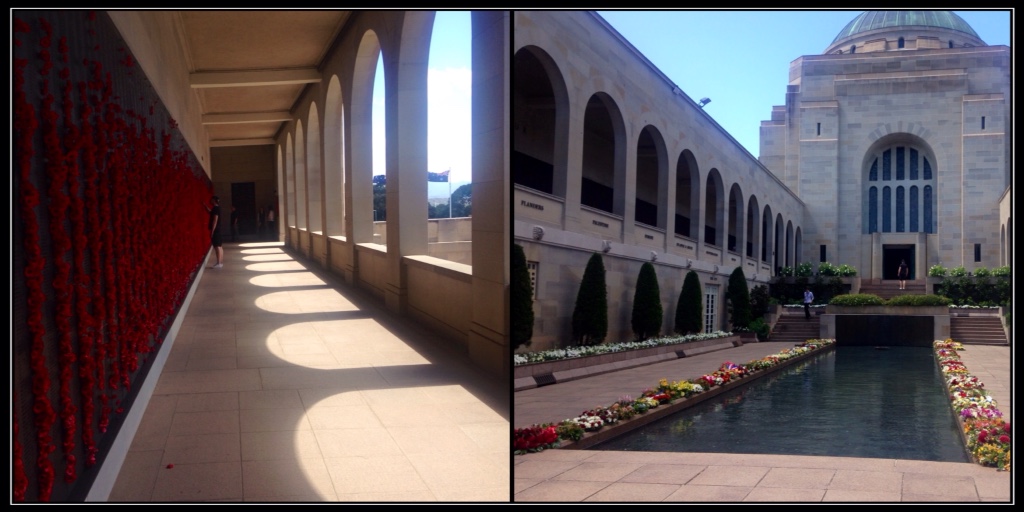
Saturday afternoon however, we took a quick trip to the Australian War Memorial in our nation's capital. This trip all I wanted to do was to at least see the Hall of Honour, the reflection pool and the tomb of the Unknown Soldier.


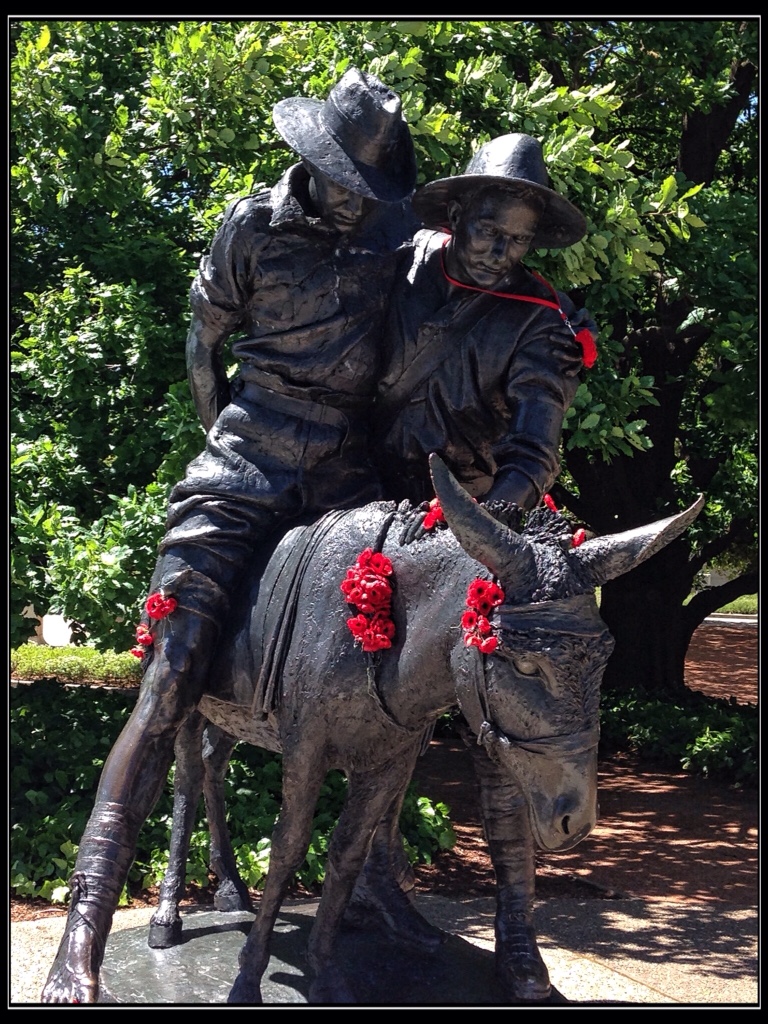
Simpson's donkey is covered in red poppies from the previous day's memorial service. A bronze tribute to John Simpson Kirkpatrick. Recognised for his bravery and compassion, he and his donkey carried water up to troops through Shrapnel Gully and many wounded soldiers back down to Anzac Cove.


The flags even seemed to fly with pride in the clear blue skies and moderate winds, against a backdrop of Anzac Parade, through to both the old and new Parliament house's.


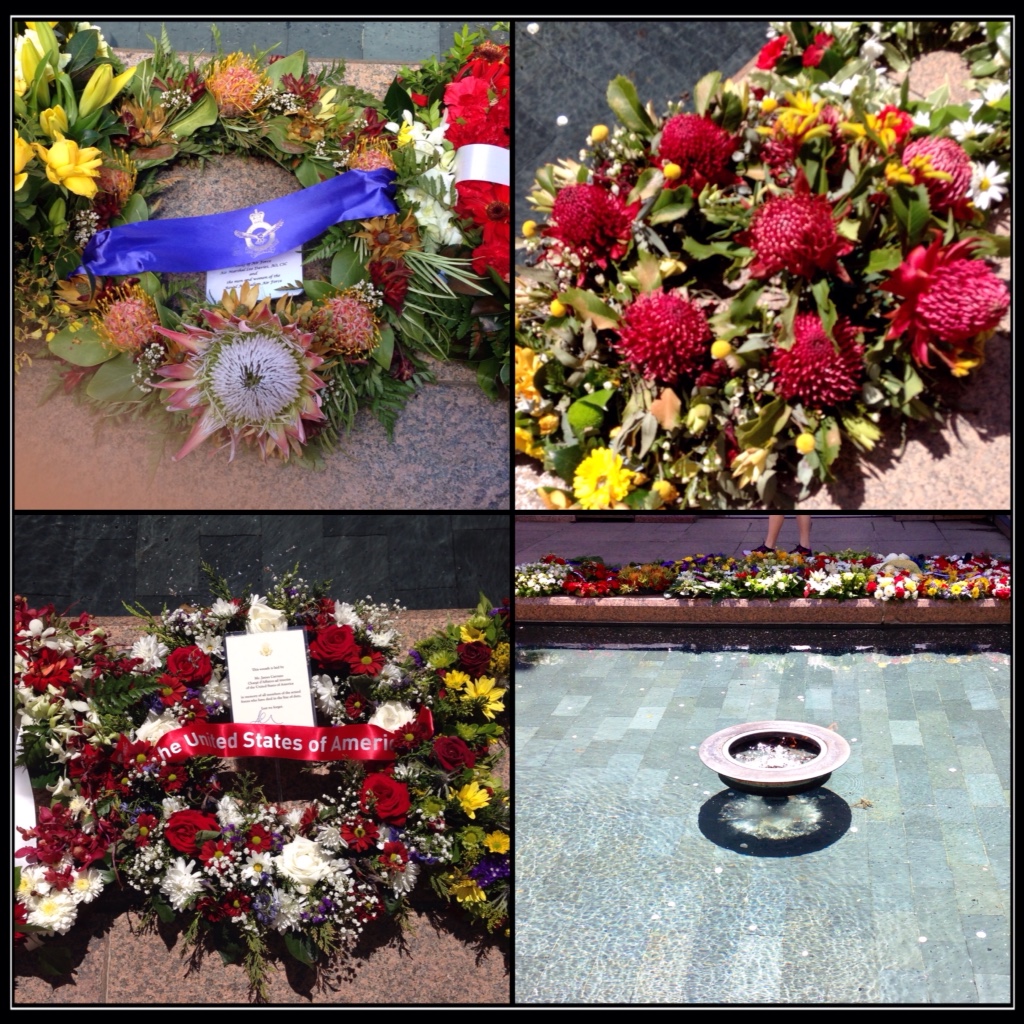
There are many visitors coming and going as we make our way up the stairs and into the Reflection Pool area. The wreath's still lay around the pools edge, and it's really nice to see all the Australian native flowers used in many of the display's.


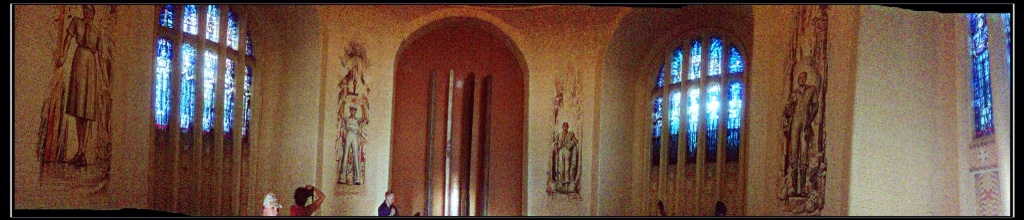
There is much chatter outside by some but I was glad that upon entering the tomb of the Unknown Soldier everyone was respectfully silent. This hall has always been my favourite with its beautiful stained glass windows, ornate ceiling, tiled pictures and reverent setting.


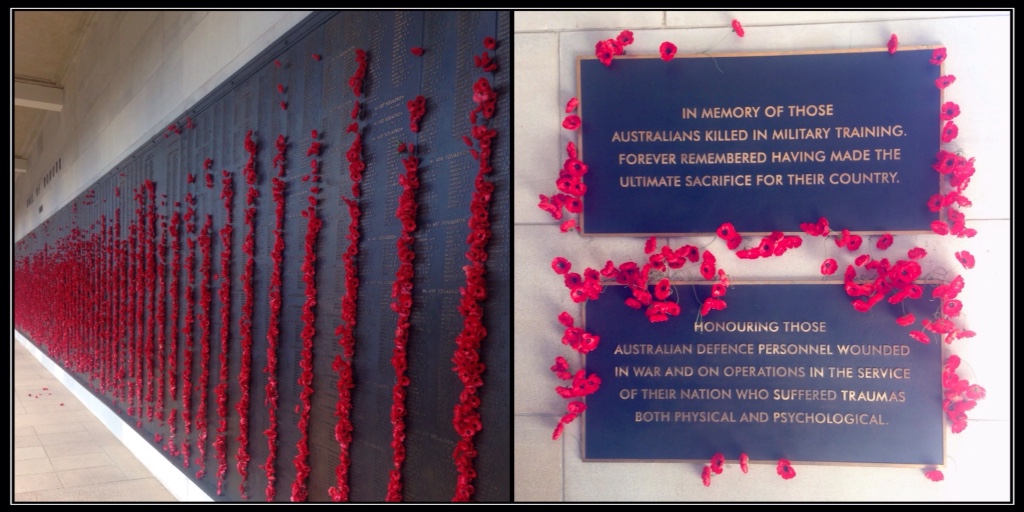
Out into the Hall of Honour the bronze name plaques are filled with poppies and soon I managed a moment of next to no one in these areas for a better photo.


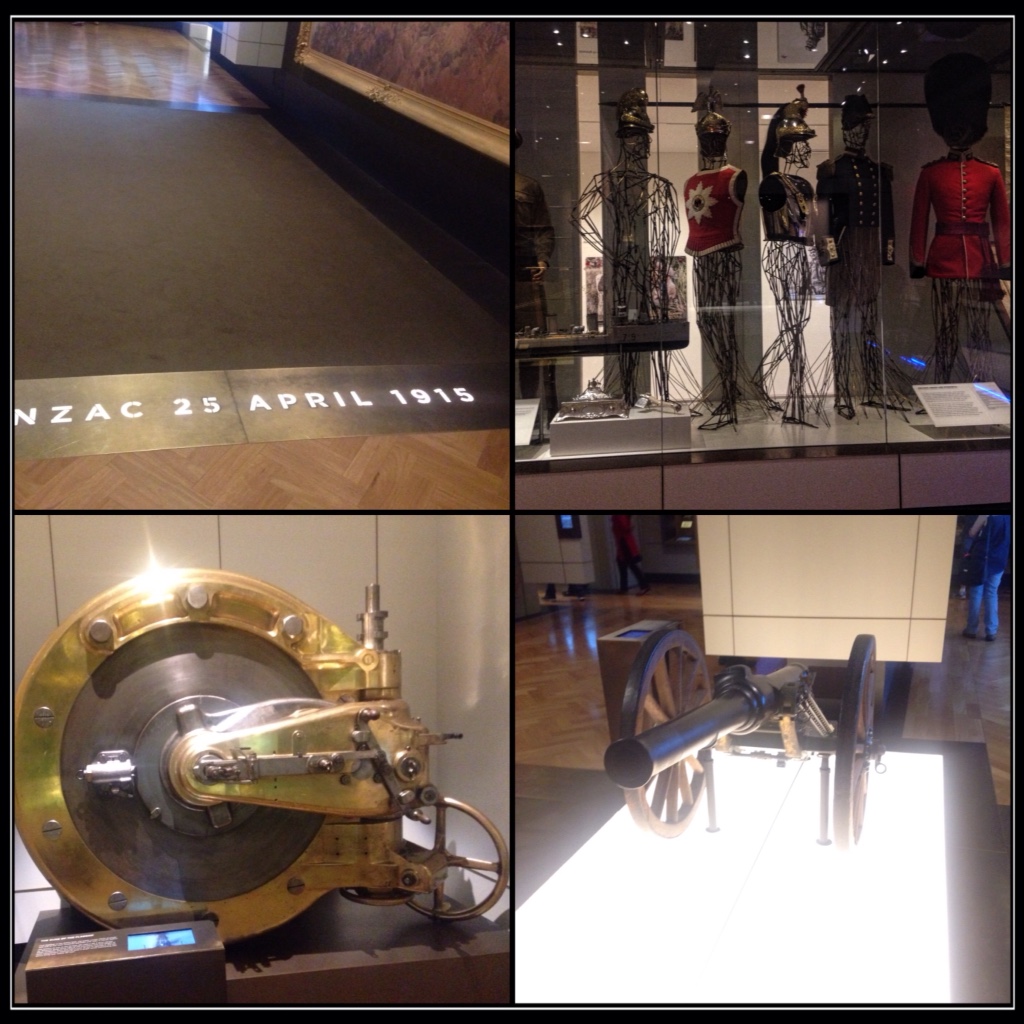
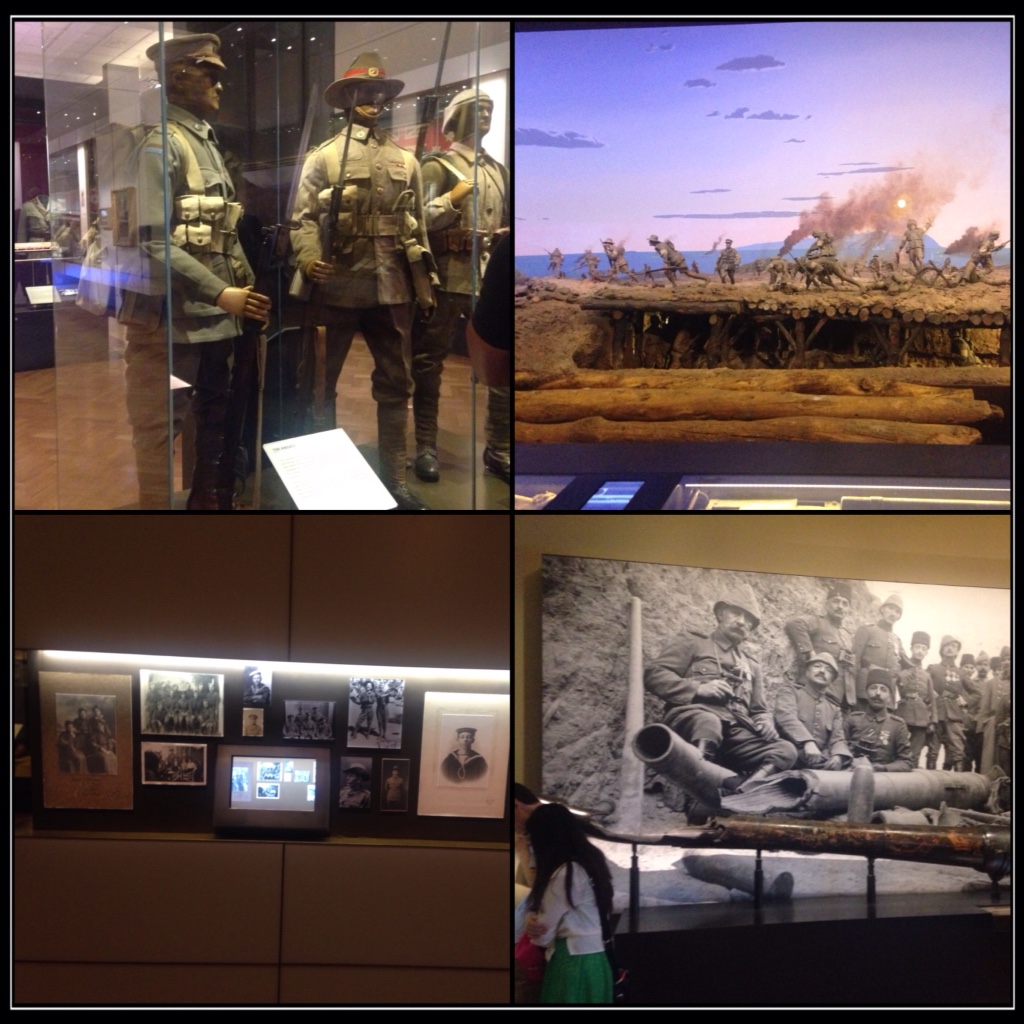
Jack and I decided we should stick our heads in the main museum doors and were surprised by some very new artefact showcases and interactive displays! NOW we need to come again and spend the full day and a bit that it would take to see it again.

We spent almost an hour just in the first entrance to the ANZAC display.


Let us all be thankful for our men and women who have served and are serving.

Lest We Forget.

Kat xo

Nov 12, 2016


Lotz House

The home of the Lotz family built in 1858, occupied for 3 years prior to the Battle of Franklin.

He was a humble man, a woodworker on a 5 acre lot with some animals. Not well to do but would have had better furniture and fixtures than most (not to the calibre of the plantation owners) due to his craftsmanship. His house was a showcase of his talents, both for structural woodworking and for instruments, he had no slaves so everything was done by the family,

Mr Lotz had heard there may be a battle but Federal officials also said that there wouldn't be a battle here, that they had planned a battle for Nashville. Mr Lotz' home was a timber structure and was concerned for his family. Across the way was the Carnton Plantation, there home made of brick. The Carters would allow the Lotz family to come stay with them should a battle occur in Franklin.

The youngest, 2 year old twins, had died before the battle after drinking contaminated or poisoned water the Federals had tampered with prior to the Confederates coming into Franklin.

This family had already endured the rigors of war before the battle had even begun.

One night when a Union officer came knocking at his door Lotz gathered up his family (and his toolbox) and they hurried to the Carnton Plantation.

It must have been difficult for him to watch his house be ruined by unruly soldiers who were merely cold, hungry. They pulled out all his out houses, barns and fences, cut down trees etc and when hungry started killing his livestock for food.

His house was severely damaged from fire, cannon's and bullets. His house was used as a field hospital for both Confederate and Federal soldiers. (Hence the red flag I the picture below)

The Battle of Franklin rendered 10,000 casualties in its short 5 hours. It is said that once the troops moved on the towns folk would see the devastation that would be forever burnt in their memories.

Death and destruction like no other, as he took his family back to their home they literally had nowhere to put their feet that they weren't stepping on bodies. Seventeen horses lay dead in the front yard and no way to move any of them as he now had no stock to pull the wagon. For two weeks they lay there.

The family then lived in the root cellar (where you stored your root vegetables duri the winter), a dirt floor next to no heating during cold weather while Mr Lotz began repairs on the home, mending floorboards, walls, taking out broken windows and boarding up the right side of the house. Burnt boards were taken off and flipped over to be re-affixed. With no nails or anything, Mr Lotz pulled the horseshoes off the dead horses to use the nails for fixing floorboards.

What an overwhelming thought of grief, pride, yet sheer resilience this man and indeed his family had to be able to go on wih their lives.

It took him four years to restore his home to livable conditions. Now Mr Lotz was trying to gain commissions again for furniture and instruments. He built a piano and inlay a confederate flag one end and an American flag the other. A wingspread eagle through the centre had its talons clutching the Confederate flag.

The Klu Klux Klan was a 'good' group in the very early days. They supported Confederate families who had lost loved ones during the battles. They had heard about Mr Lotz piano and they set out to see the masterpiece. At the knock on the door Mr Lotz was excited they may be coming to see his work and purchase the piece however it took a turn for the worse. They were so outraged and felt it dishonourable to show the eagle clutching the flag that after heated discussions took place Mr Lotz was threatened that they would be back to tar and feather him.

Mr Lotz feared they would definitely be back, he quickly packed his covered wagon, sold as much as he could and left the rest, selling his house to the Buchanan family …… And along with it some other items of furniture AND the piano. By the way, he moved clear East to San Jose, California.

For the poor family who bought the home, awoken by a crashing noise, found the Klan had indeed come back and broken into the house, retrieved the piano, took it outside, smashed and burnt it.

Anyway that's all I can remember from Miss Helen's guided tour of the house. No pictures could be taken inside unfortunately. There were some truly magnificent pieces of art, china and furniture. Only a few have been returned to the House historical society that belonged to, or was made or painted by one of the Lotz family members.

You can see on the outside of the house the different cornice above the windows to showcase different styles of his work. Evident also in the very different mantlepieces, staircase and triple crown moulding he had carved and made using hand tools.


A humbling, interesting end to a long day.

Kat xo


Gettysburg, Pennsylvania

We are now in Thurmont, Maryland.

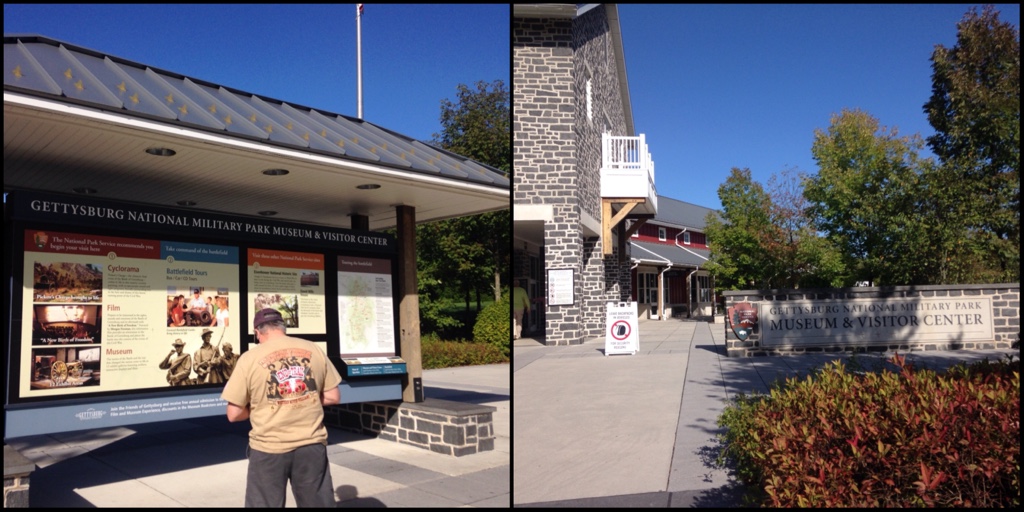
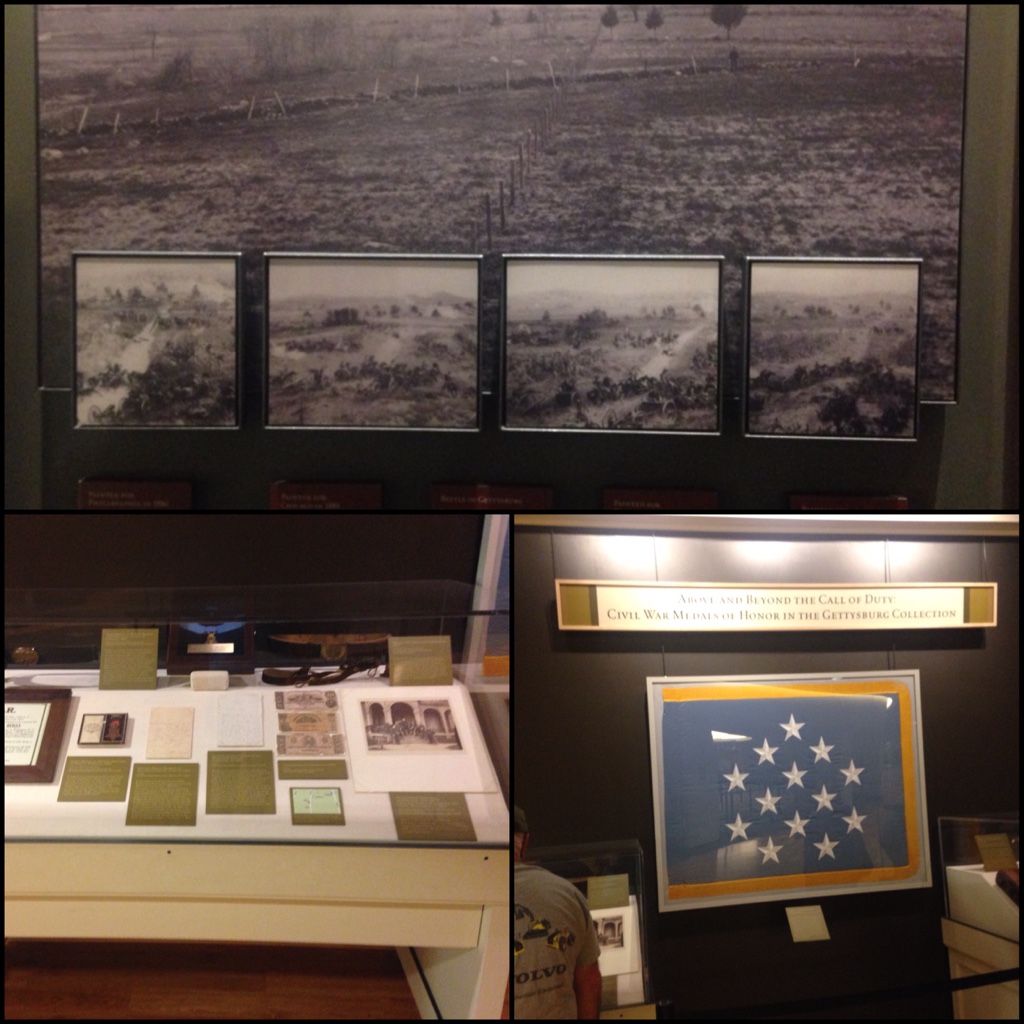
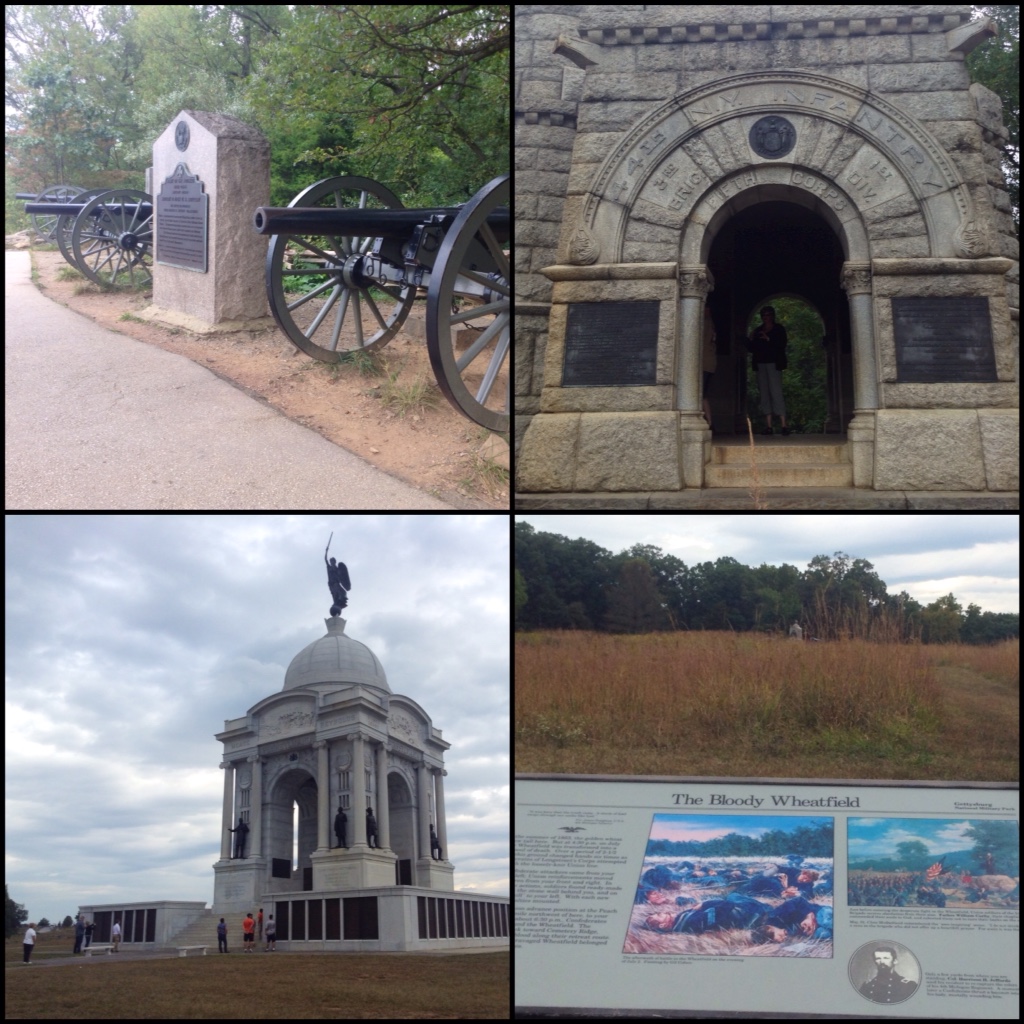
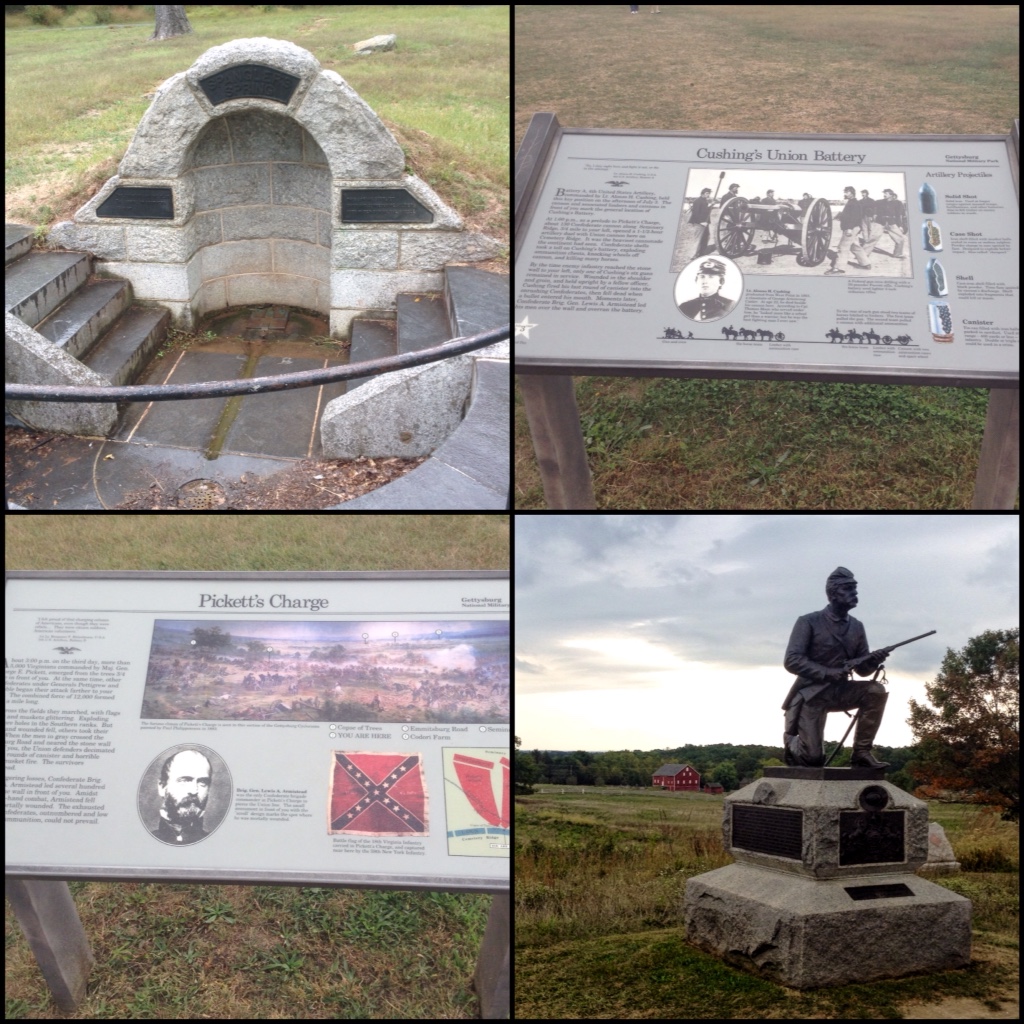
Taking a short trip up into Pennsylvania, Tuesday and Wednesday were spent at the Gettysburg National Military Park. Sensational! To say the very least!

The first thing we did was bought tickets to the Film, Cyclorama and Museum.

The film was narrated by Morgan Freeman (love his voice) and there was so much to see on the big curved screen, my eyes were darting everywhere trying to take it all in.

It was pure genius, a visual sensation, beautifully done by the History channel, the 1863 Battle of Gettysburg. The Civil War battle that took place over July1-3 of 1863.

Total casualties for the three days (killed, wounded, captured, missing) of fighting were 23,000 Union, 28,000 Confederates.Incredible numbers fought, lost and won during that 3 day campaign with Robert E. Lee as the Confederate commander and George Gordon Meade, the Union commander. 70,000 Confederates went up against a Union army of 93,000 on that 1st day in July.


Next when you exit the theatre you are taken up into the viewing room of the cyclorama. (Cycloramas – a 360deg view panoramic painting of a scene, viewed from the centre, often with music or narration, first developed in 1787 – popular in the early 19th century)

A spectacular vision of sound and light, as if you were standing behind Union lines. It is the largest oil painting in America. Painted in 1884 by Paul Dominique Philippoteaux, it came to Gettysburg in 1913.

The 377ft painting debuted in Boston 132 years ago and in 2008 restoration began for this project.


It truly is magnificent and the detail incredible. The artist has even included himself in the painting as his signature. See the picture below of the bearded officer leaning against a tree with sword over his leg,


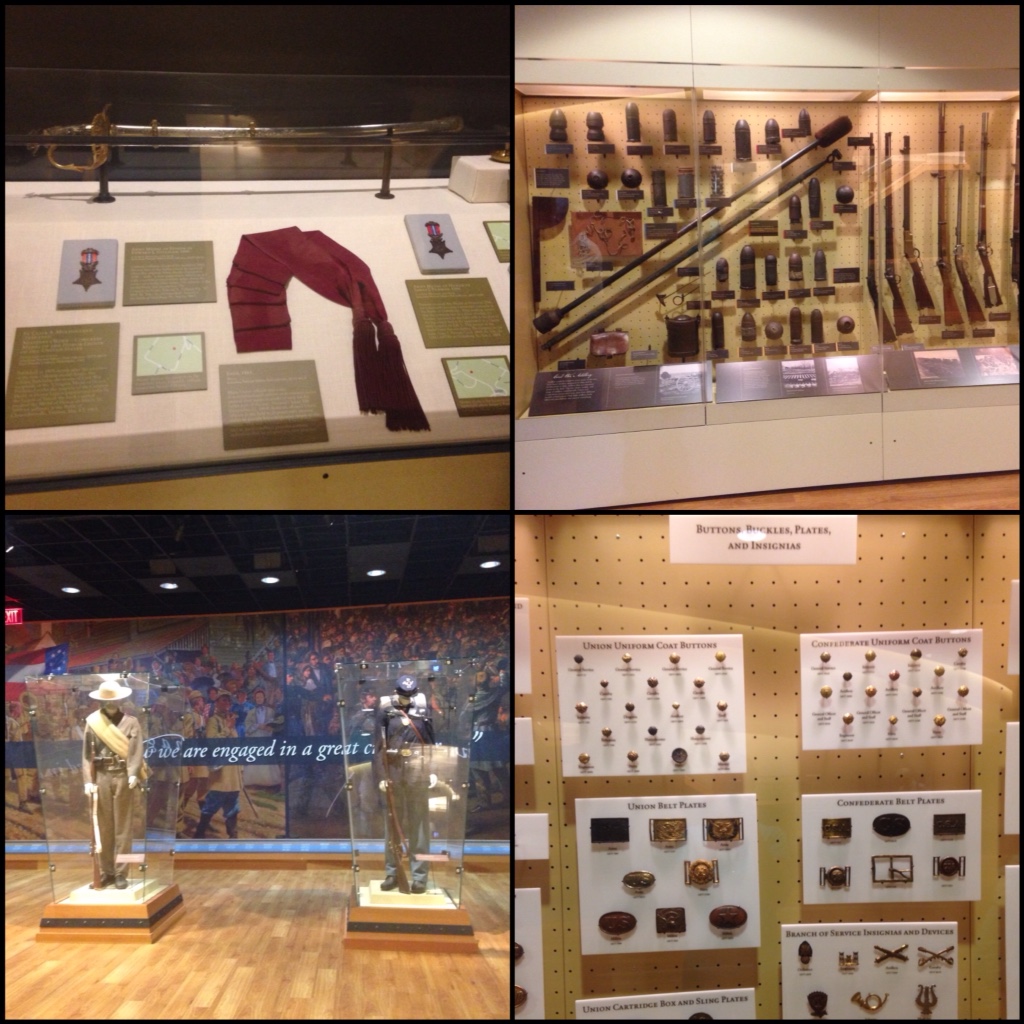
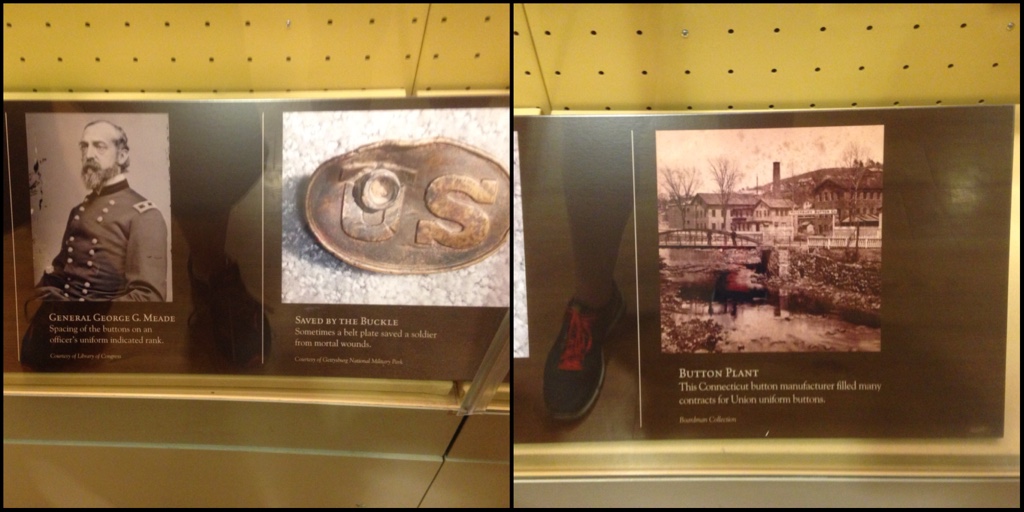
The Museum section has many artefacts, beautifully displayed with excerpts of speeches, letters and legislation surrounding the walls. Timber plaques have also been printed or etched with pictures and text,


A number of interactive displays run through the 3 years of the war on screens of varying size throughout the museum.


It is an exceptional place full of history and if you ever get to this region it is not to be missed! A very comprehensive display. They weren't wrong when saying you would easily need a couple of hours for the Museum alone.

The weather was divine on Tuesday but turned a little overcast and on the cool side on the Wednesday.


However that did not deter us from making our way back to Gettysburg and taking the 24mile auto tour of the battlefield.


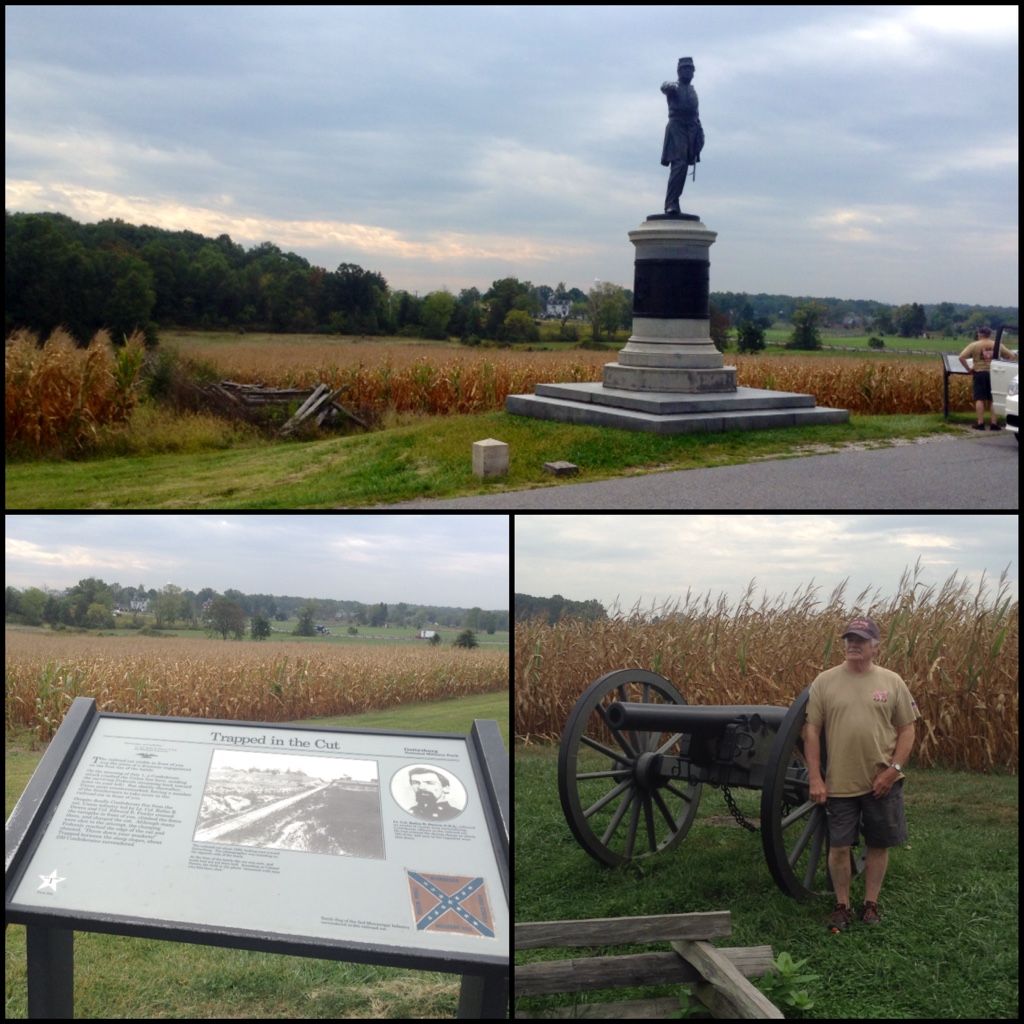
There are 16 tour stops along the way and instead of purchasing a cd at gift store we found an app that ran off the GPS and would talk to us once we reached the spot on the map. Relaying information regarding the battle for the point we were at, we could then get out and view the magnificent monuments, fields and take in the terrain that would have been encountered by so many on foot back in the day.


An extremely humbling experience.

Kat xo

Sept 28, 2016

This is only a small sampling of pictures taken. So, so much to see. Loved it.


Streaking Through Kentucky

That got your attention didn't it! Lol!

No streaking, drive on, drive on.

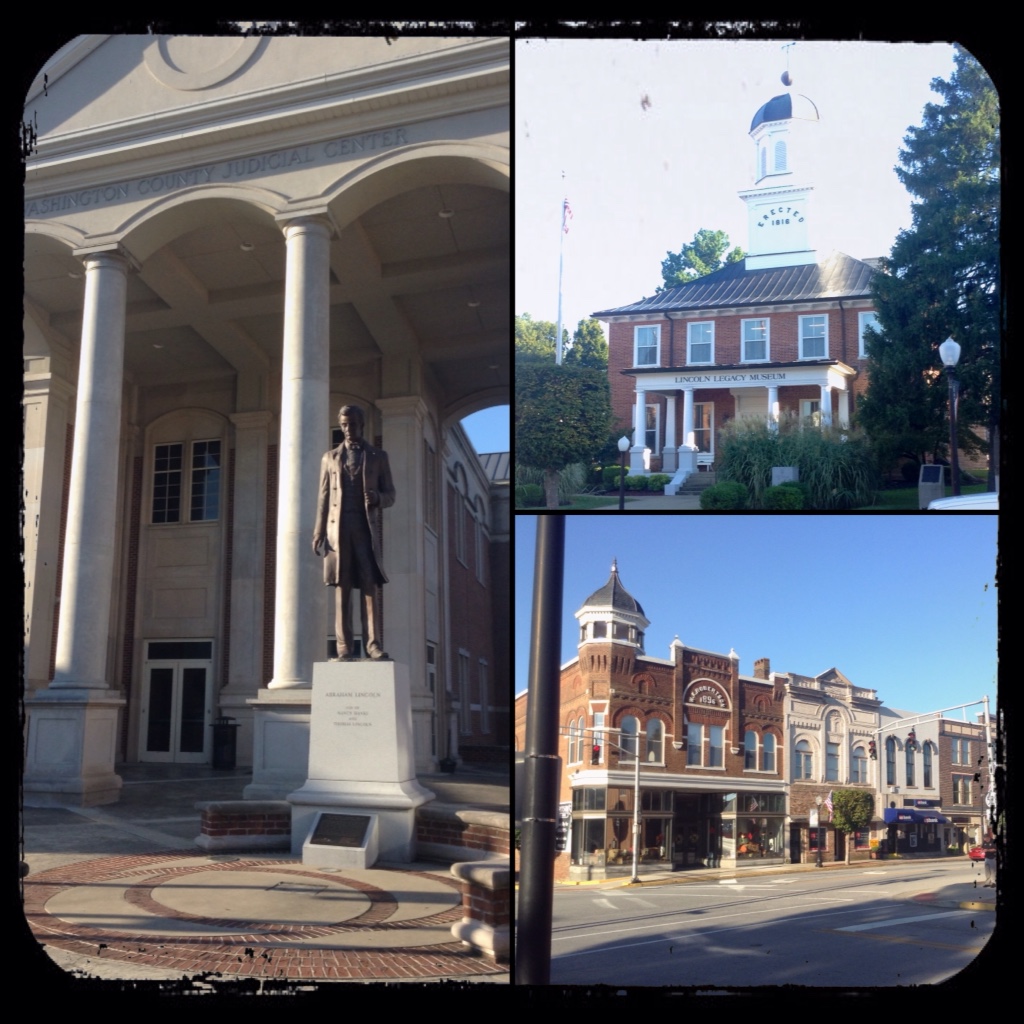
Springfield, KY – est. 1797, Lincoln Legacy Museum, closed Wednesday's, quick picture of the Lincoln Statue and some nice old buildings.


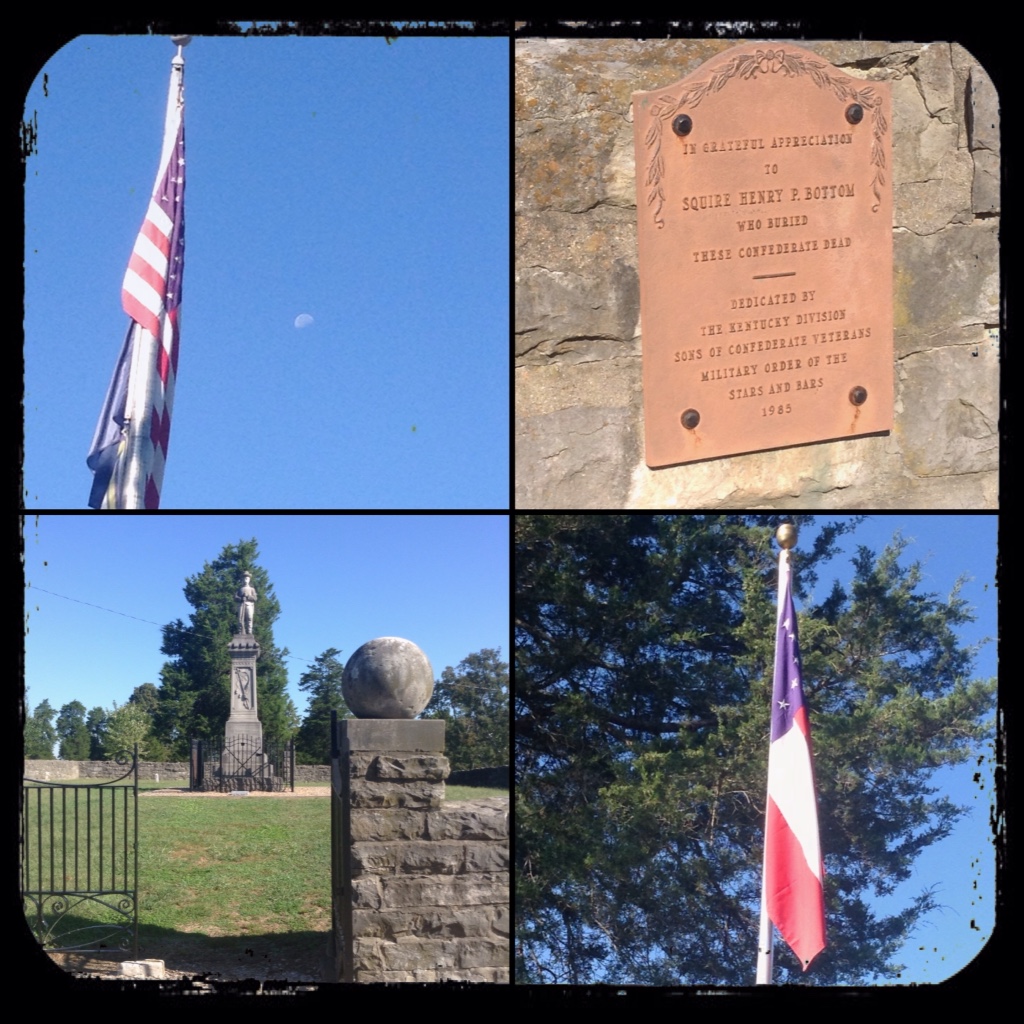
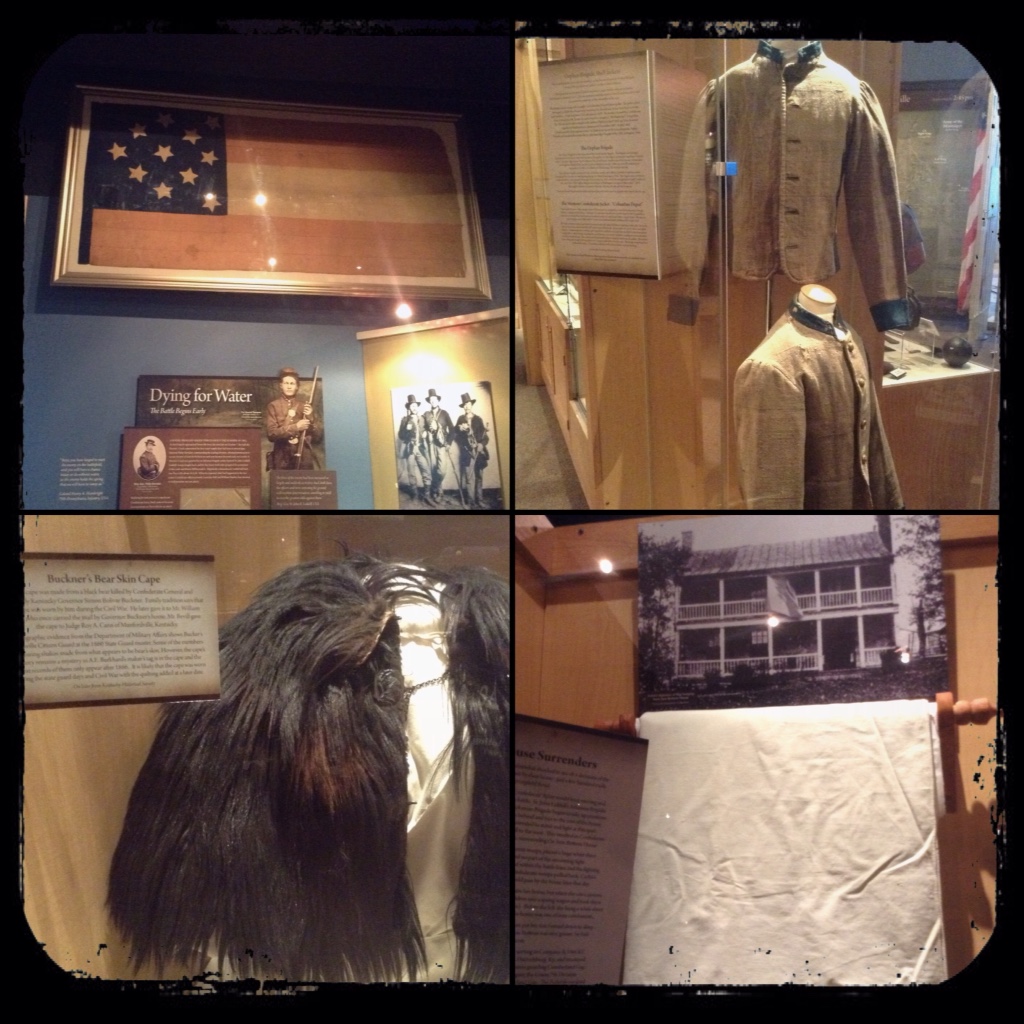
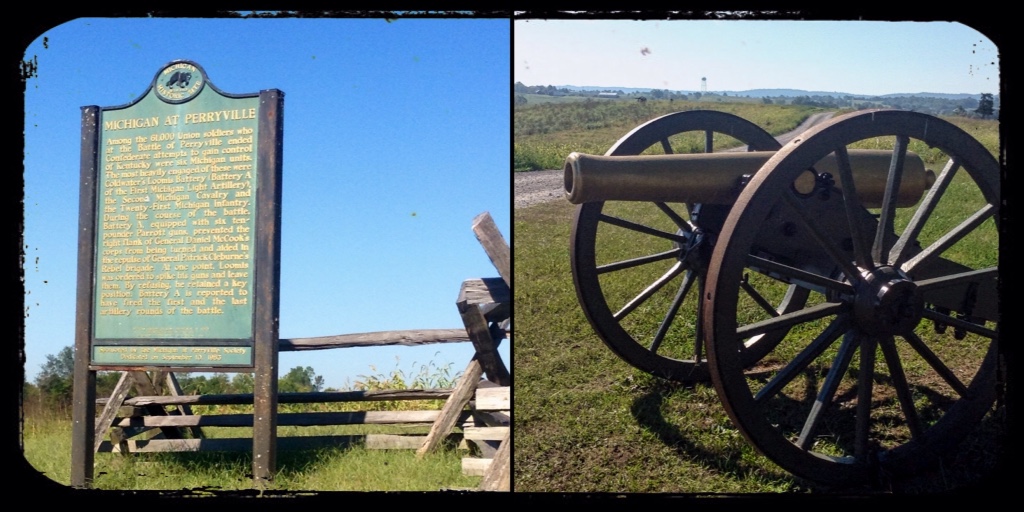
Perryville, KY – steeped in civil war history, we visited the Perryville Battlefield State Historical site. Great little museum and 30minute film about the battle in October of 1862. The story unfolds with Braxton Bragg's Confederate Army of Mississippi and Don Carlos Buell's Union Army of Ohio.


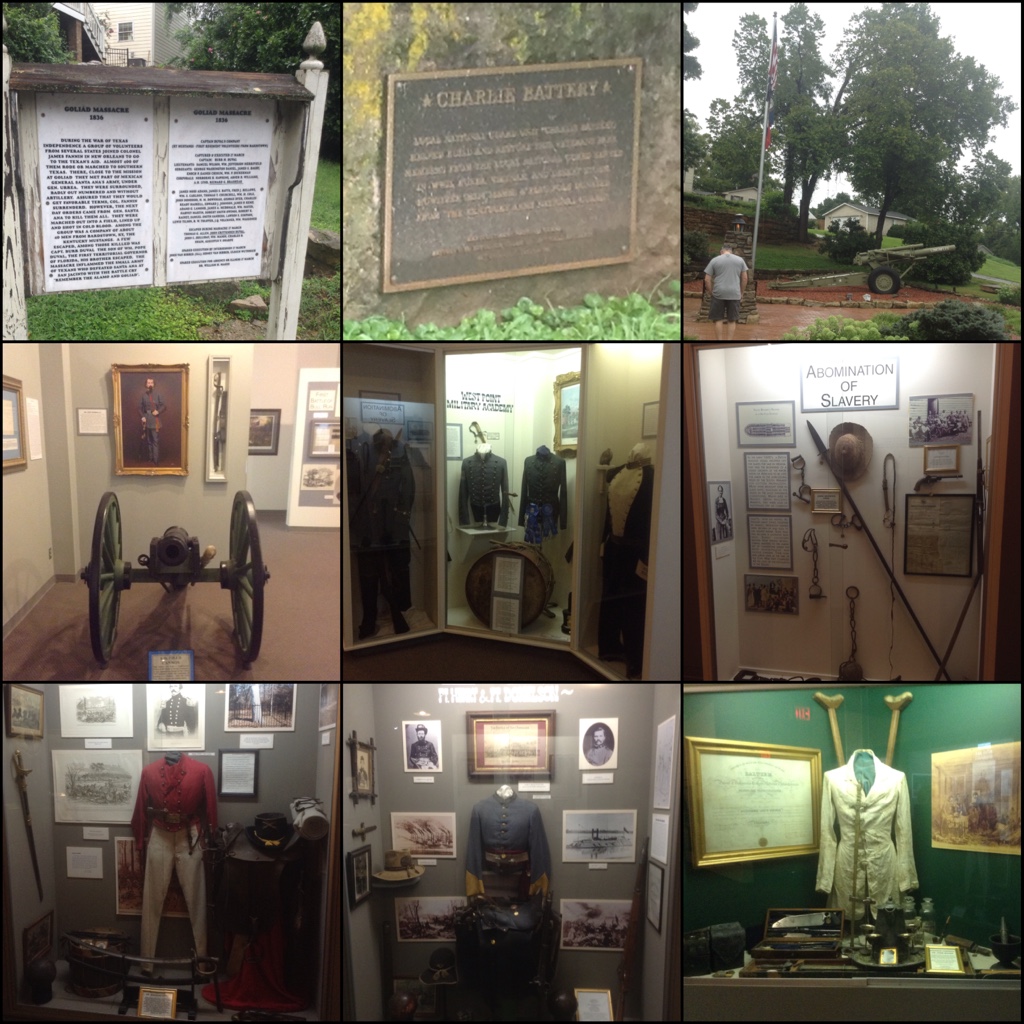
The museum is very informative and has a great collection of artefacts and uniforms. The cannon or “Six-Pound Smoothbore Field Gun” are always spectacular to look at! The ammunition case beside it was cool and now I know where the meaning of 'shrapnel' came from. The 6pound spherical case shot was invented by one Henry Shrapnel.


The soldiers on both sides suffered greatly as Kentucky experienced drought through this time. Many suffered heat stroke and died of dehydration as well as any injuries received during the battles that ensued.


When you look at the grounds surrounding Perryville, I try to imagine the some 70,000 odd troops that would have been in and around here. Great lines of men fighting each other.


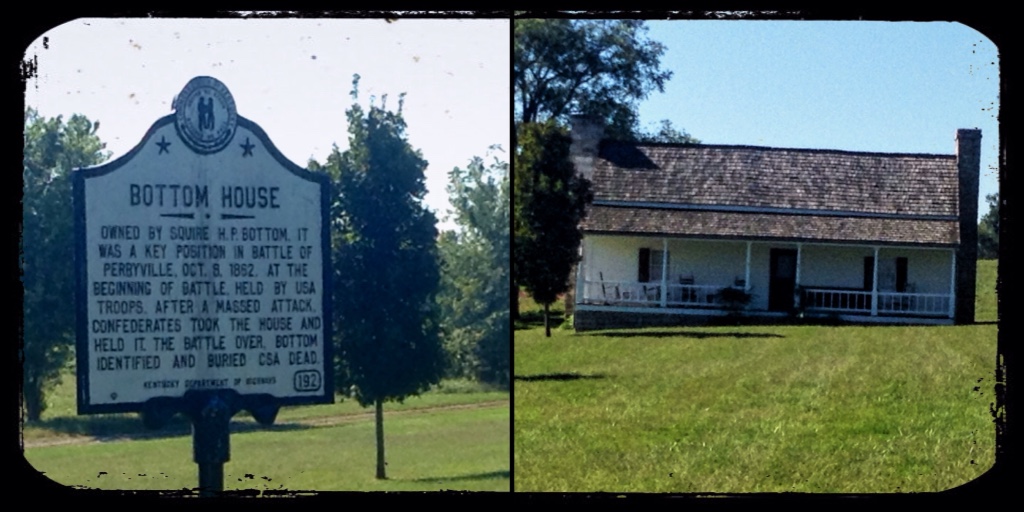
The Bottom House is quite small and still it is hard to fathom hundreds of bodies littering the yard and porch as it was made a makeshift hospital. Many houses during that time were commandeered for such purposes.


Some stats from the brochure.

  • 55,396 Union and 16,800 Confederate soldiers.
  • 203 cannons located in Perryville, 90 were used in the battle
  • At least 21 states were represented in the Battle of Perryville – Alabama, Arkansas, Florida, Georgia, Illinois, Indiana, Kansas, Louisianna, Michigan, Minnesota, Missouri, Mississippi, North Carolina, New York, Ohio, Pennsylvania,Tennessee, Texas, Virginia and Wisconsin.
  • 1,431 soldiers were killed (890 Union, 532 Confederate)
  • 5,618 were wounded (2,966 Union, 2,652 Confederate)
  • 669 missing or captured (433 Union, 236 Confederate)

So in fact looking at those figures for total casualties 7,718 (4,298 Union, 3,420 Confederate) that's 1/5th of the Confederate force and only 1/12th of the Union. Like most of the Civil War period Union forces definitely outnumbered the Confederates.

All things considered, that's a huge victory for the Confederates.

Winchester, KY – est. 1792, didn't see much through here as we sort of bypassed the historic downtown, oh well.

Onward through rolling hills and the green trees of Kentucky. Fall is starting to show her signs of change, as reds and yellows creep through the forest.

We have now entered into West Virginia! A new state for us, staying somewhere around Charleston tonight, then a dash to the very northern section of the state to Berkeley Springs tomorrow.


Signing off with a bit of John Denver ……almost heaven, West Virginia….blue ridge mountains…..

Kat xo


Kentucky Gold!

After we finished in Dayton yesterday, we headed South and took a slight diversion through Carrollton and onto an intersection on the highway at Clermont and Bardstown, Kentucky.

Heading East to Bardstown (totally not knowing where we were going at the time) we happened into Bardstown only to realise we were destined to be in this spot!!!

Bardstown, after all, is the heart of Bourbon country, we are right in the midst of the Bourbon trail, including Jim Beam, Four Roses, Barton 1792, Heaven Hill, Willett and Makers Mark distilleries. With other famous ones further away.

Staying at the Bardstown Parkview Motel for the night, caught up on the blog from the past few days, worked out adjustments for patterns for a certain town suit (Crossdraw Jac), pinned some corsets ready for stitching and started writing a couple of articles.

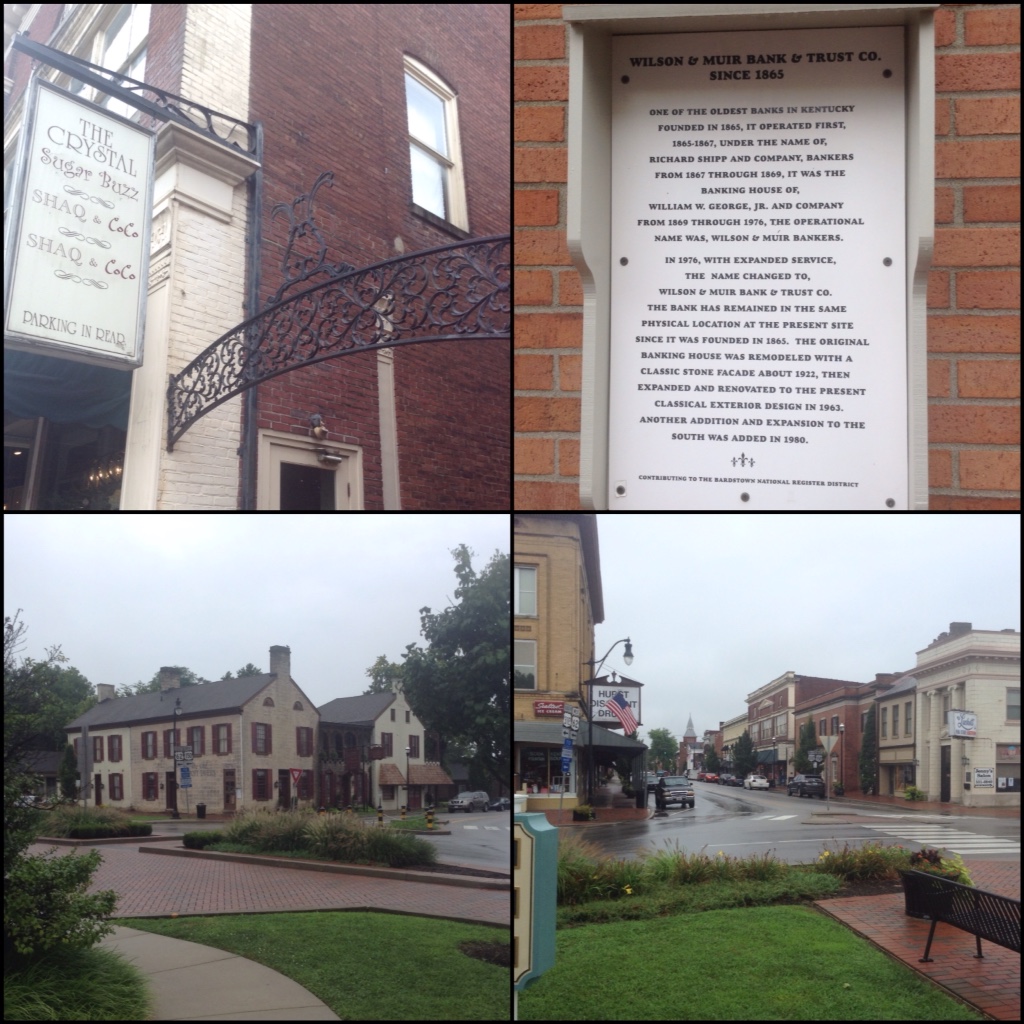
This morning we headed 'downtown' to the Visitors Centre, seeing some amazing old buildings, this area has been here since 1780!


We first went up to the Civil War Museum, a beautifully displayed collection according to civil war eras. They have so many fantastic prices from this period it is incredible. This rivals the one we saw in Baxter Springs a couple of years ago.


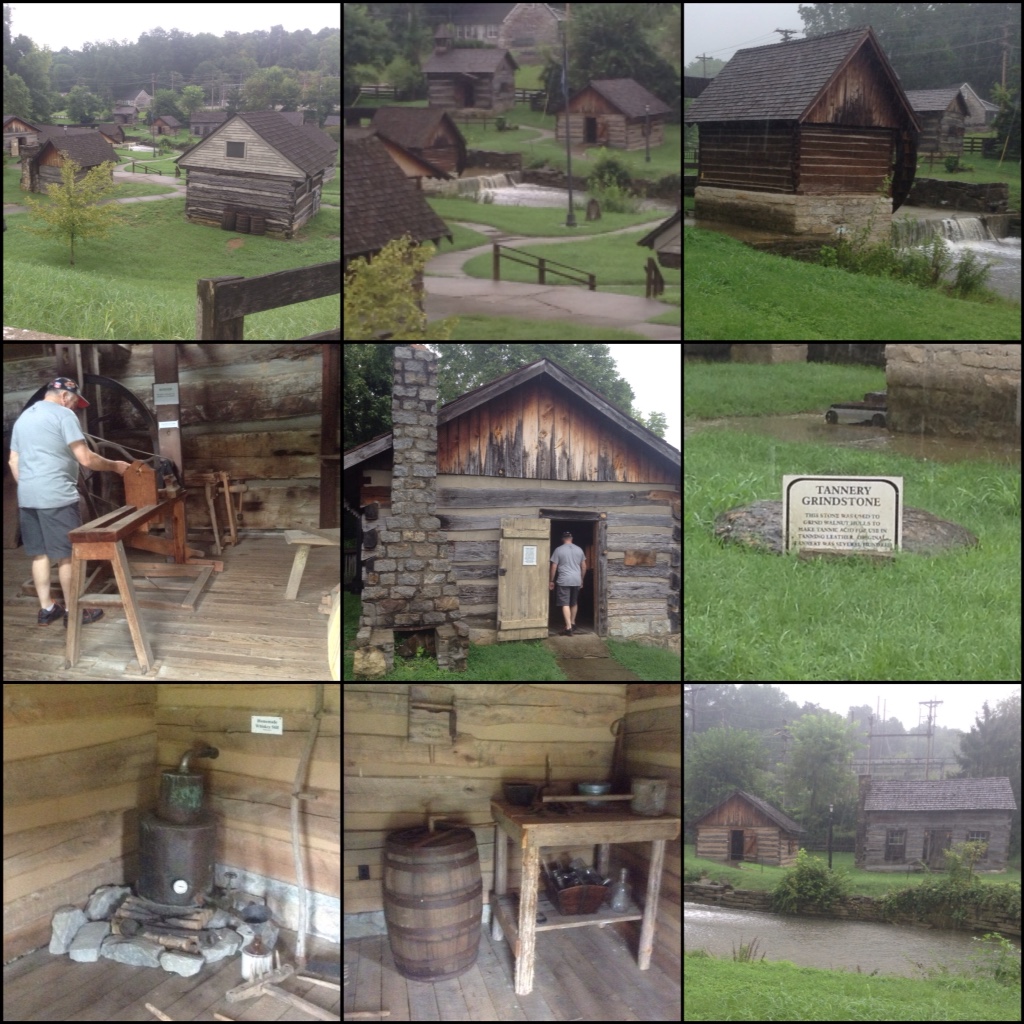
The Bardstown Village, a recreation using original buildings from the surrounding area is amazing, just didn't get to see in all the buildings as it was raining!!


Back up the hill to see the 'Women of the Civil War' Museum and War Memorial Museum, both with much interest and artefacts as well.


From here it was back down through town (we had walked about 2 blocks and usually a block is a mile), heading to the car and to the tavern. Well it was lunchtime!?!

The Old Talbott Tavern is amazing! 125 varieties of bourbon is there claim to fame, however this beautiful old building and the tavern have been in existence since 1797.


We tried the Kentucky Bourbon Barrel Ale which is spectacular at 8.2%abv and coupled with their signature BBQ pulled pork sandwich is divine. Christie was amazing, sharing some history with us.


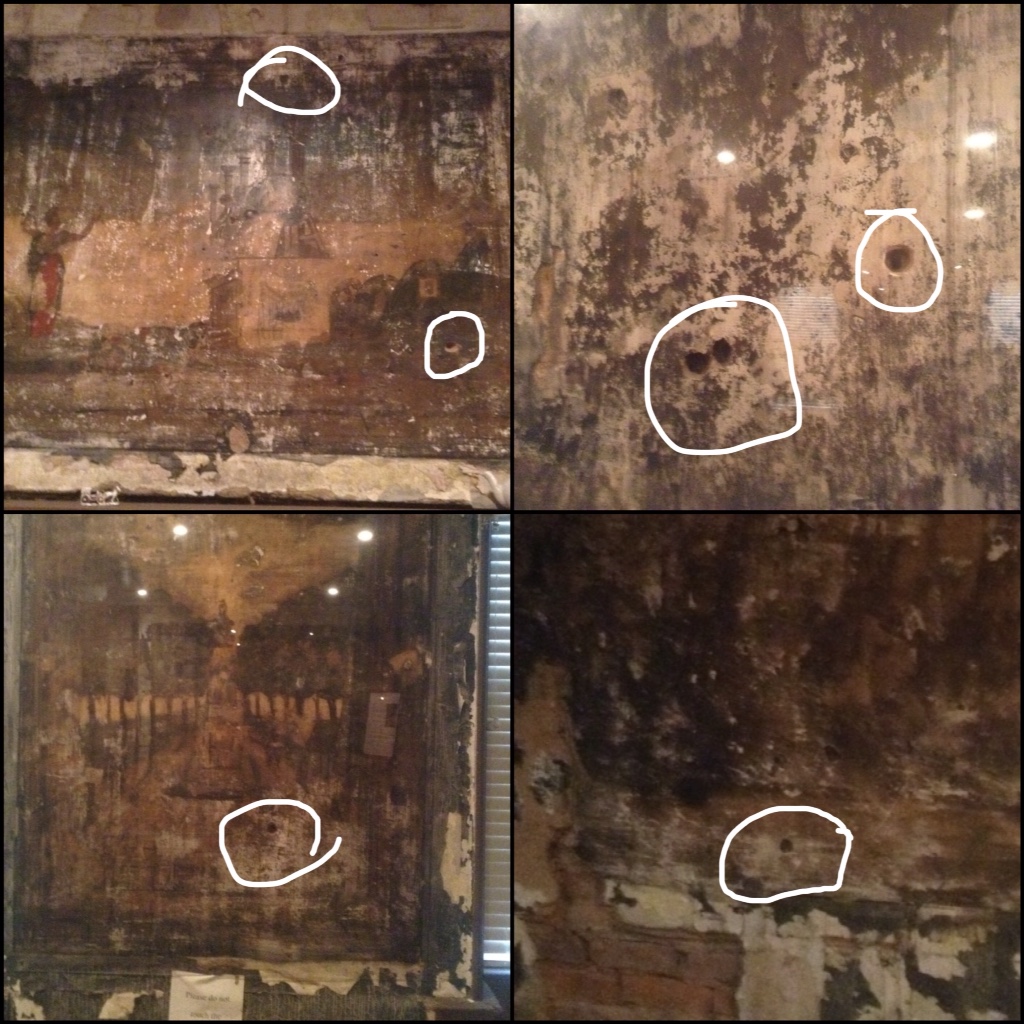
The Jesse James bourbon was only named and brought to the tavern because Jesse James once stayed here. There are also bullet holes in the walls upstairs where he fired off his gun.

Some bourbons may have catchy names but really only for naming and if less than two years are not actually a bourbon anyways.

We took a quick trip up the stairs of the tavern and there it was, bullet holes from Jesse James gun after a loss or feud during cards into the now, very charred murals.


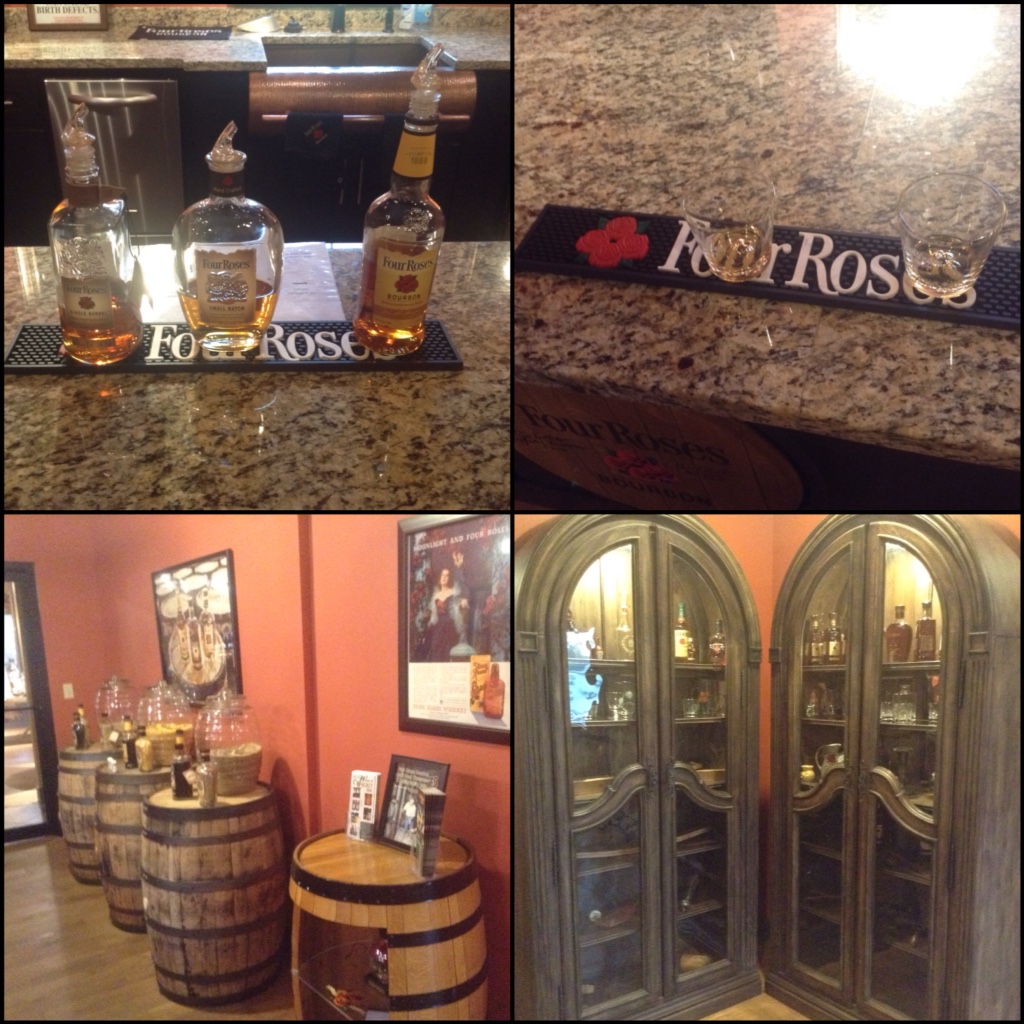
We hit the road and headed out to the Four Roses distillery. Why did we pick this one you may ask? Well, as far as we knew, it wasn't that commercialised, we liked the look of the bottles and….we just had to try something different. For $5 each for the tour, it was very interesting and well worth the stop.

Our tour guide was Debbie, last run for the day, so really we had a personalised tour with only the two of us on it.

The Four Roses brand came about in the 1880's (or some time thereafter) so named after the southern belle he married when she turned up to a ball with four roses on her corsage. (That's the story in a nutshell, there's more too it and more romantic than my account)


Apparently around 1958 it was purchased by an overseas company, however in 2003 and later years it was repurchased. Now all labels are made and bottled in the US again.

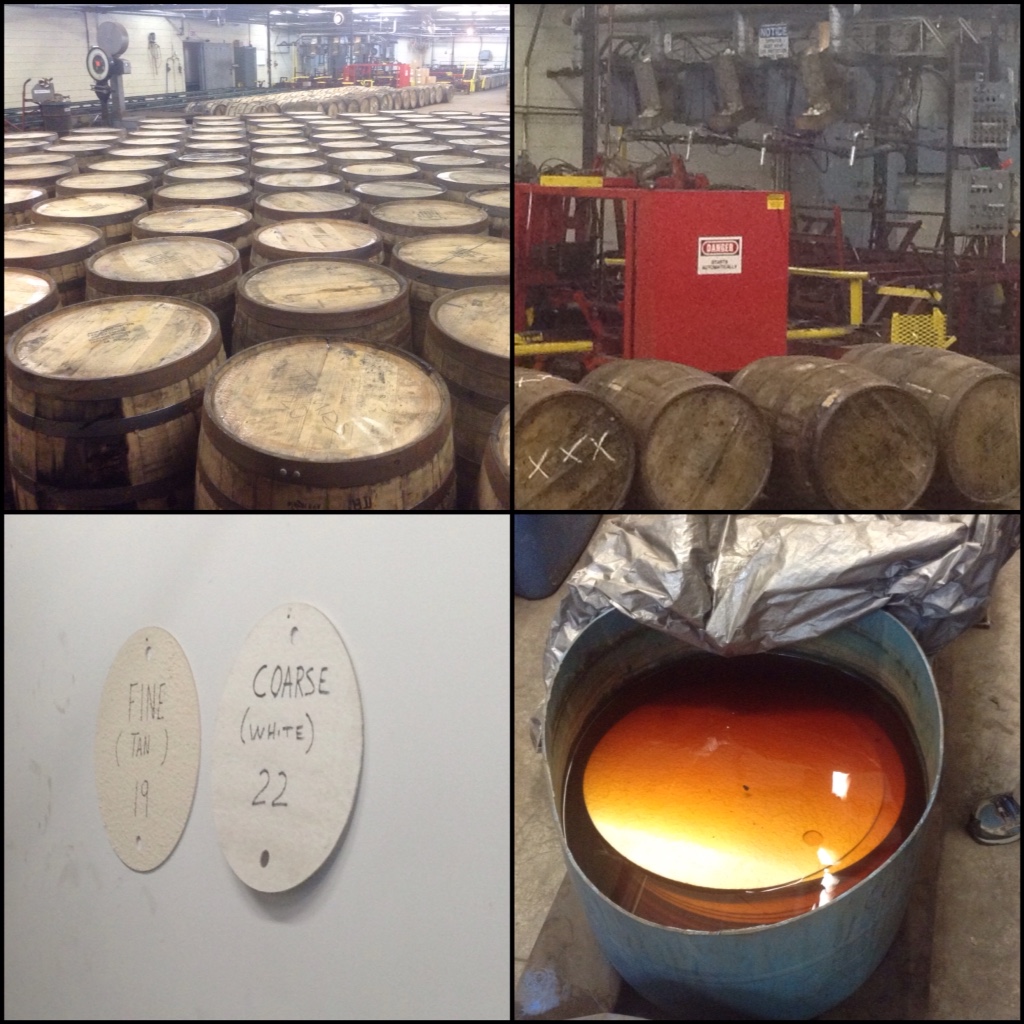
The distillery is in Lawrenceburg, the distillate is sent here for barreling and bottling. Before its trucked out, the sampling there is confirmed with the original before sent here, sampled again here to confirm. It is barrelled at 120 proof. Barrel aging occurs for 5 years. The white oak barrels are used once only.


The nozzles are where the distillate is put into the barrel. It takes 45 secs to fill and a poplar wood bung put in. Poplar, provides no weight or colour to the bourbon. It is then stencilled with barrel head information. Ie: their brand name, tax number, county number etc. Two tankers, 280 barrels a day. Then out into the rick houses for ageing.

The charred inside of the barrels are from a 1 to 4 level. Once used, some barrels get shipped off overseas for whiskey to be aged in. The barrels are made in Lebanon, Kentucky and Missouri.

Chill filtering occurs for the yellow label and single barrel where the fatty acids are filtered out. 66% of flavour will come from barrel and 100% of the colour will come out but you will lose colour when filtered, so to avoid losing too much colour they soak the filters in bourbon and ash also! Smells bloody divine.

Bottling now is mostly automated but the single barrel bottles are still finely labeled (by hand) with the 'mapping your barrel' markings. Like a latitude and longitude marking of where the barrel was stored in the rick house.

As the Japanese market is still number one, different labelling is provided for the 80 and 86 proof that is shipped out to them.


They try and bottle out, same as quantity in. Approx 200 bottles from ea barrel, 280 barrels a day!!

There are 20 rick houses, 4 new ones coming, hold 24,000 barrels, each sits on 1 acre of land. The moats are so if one was to catch fire and roll out, it will only go into the moat, same reason for having buildings set so far apart. Single level 6-7 degree difference in natural or ambient temperature, if taller than they can get a 37 degree difference. Mother Nature is the only thing governing the barrel control on ageing.

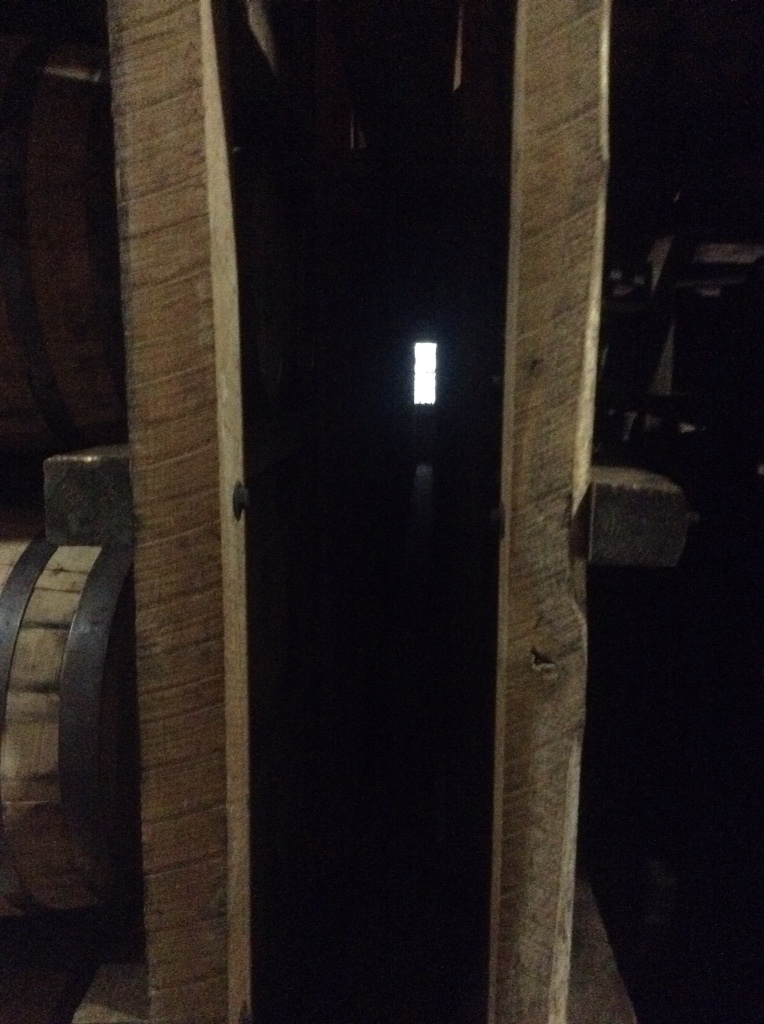
Ahhhhhh, the smell as you walk into the rick house! Look down the walkway, yes it's a walkway! 69 barrels in length.


Yes, the barrel handler guys, actually walk this narrow walkway down the rick and make sure they are bung side up.


We had 3 samples of bourbon at the end of the tour, you get to keep the glass and of course we bought a couple different bottles and souvenirs.


From here we did a quick trip to the Jim Beam factory, took some pics and I know his would be a sensational tour too but we've done the Jack Daniels one and really wanted to do something different. No offence, as we do drink it often.


Here's cheers! With whatever you're drinking!

Kat xo


http://fourrosesbourbon.com

Http://jimbeam.com


Heartland Museum of Military Vehicles
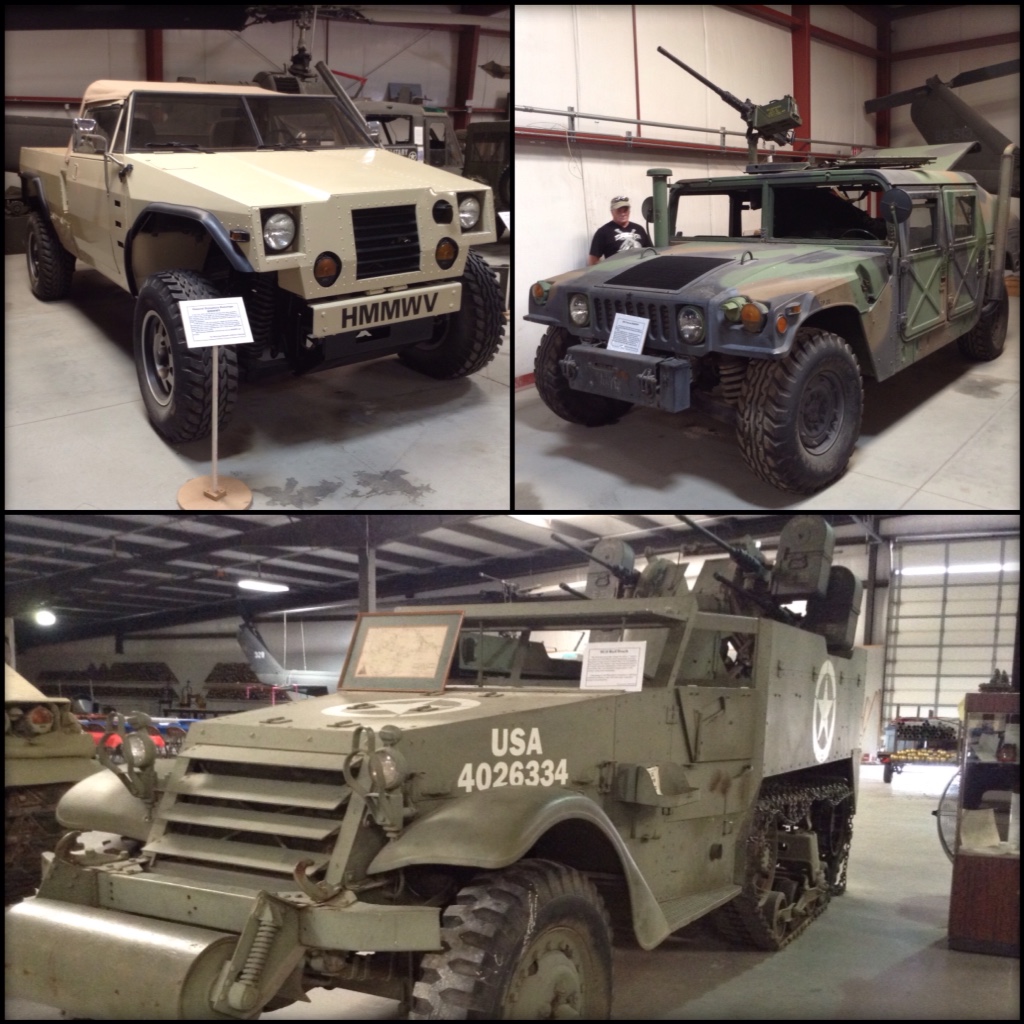
Something a little different to break up the driving today with a stop at Lexington, Nebraska and a look at the Heartland Museum of Military Vehicles.

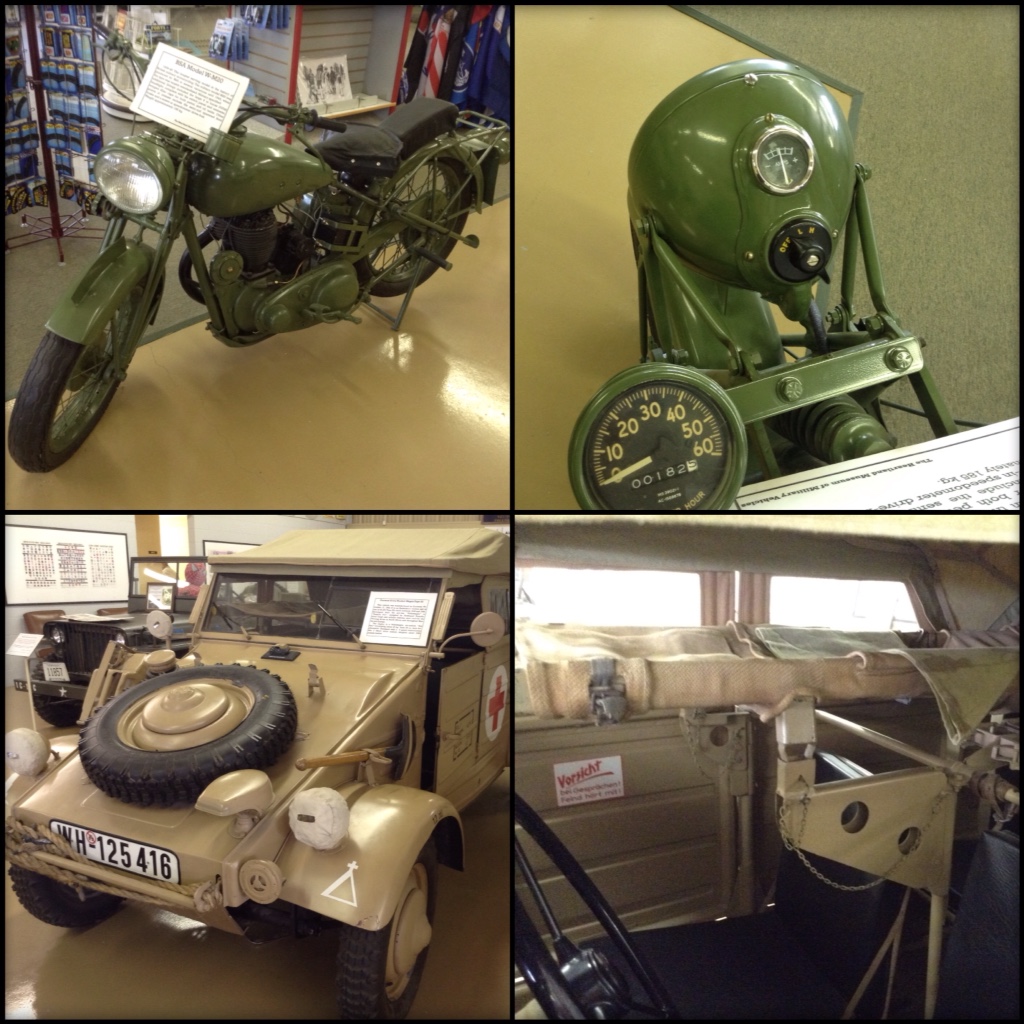
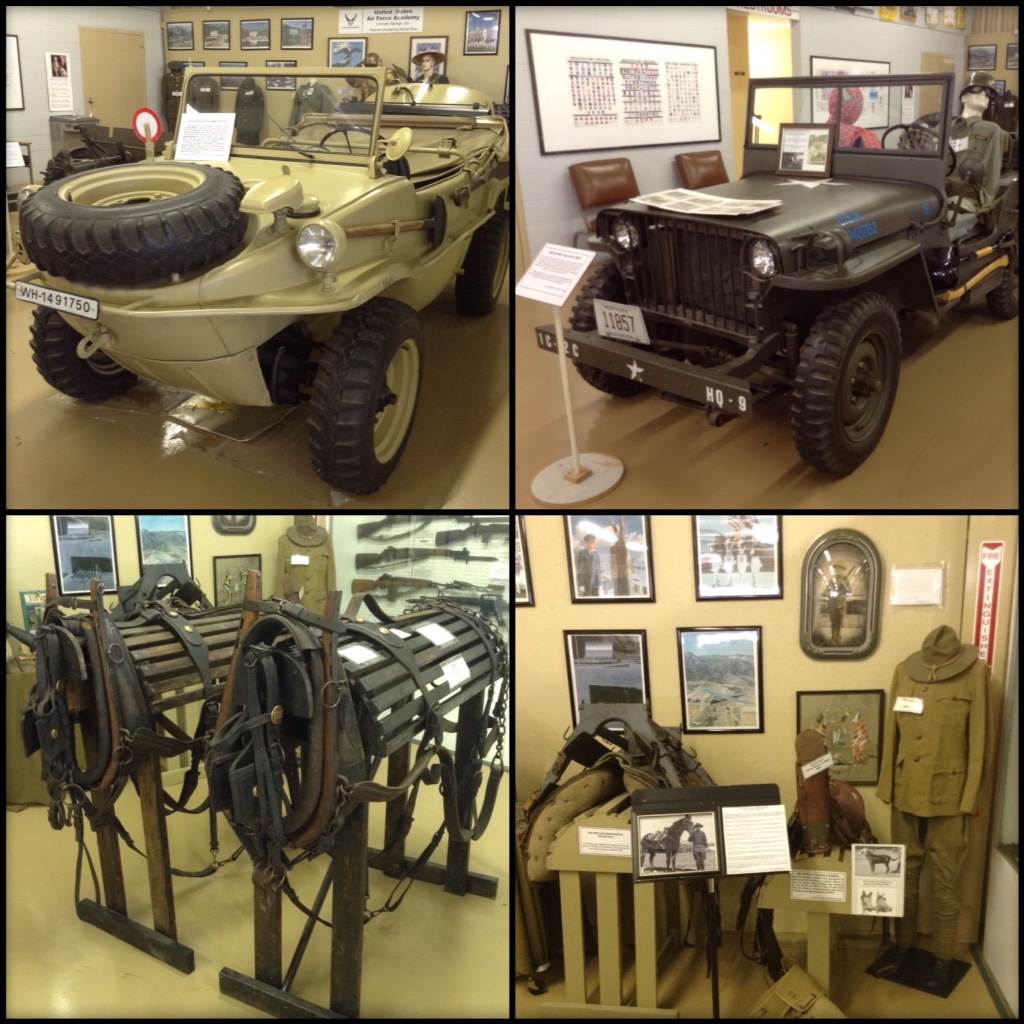
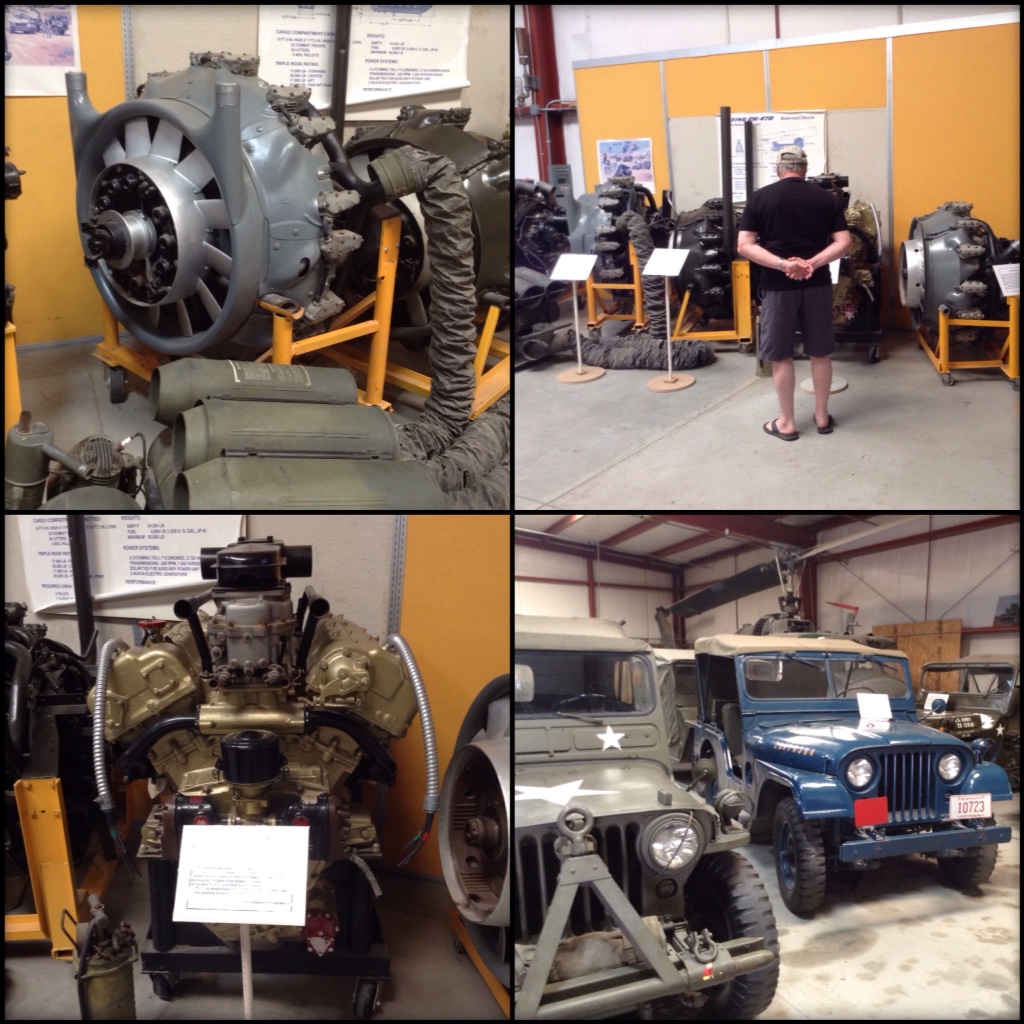
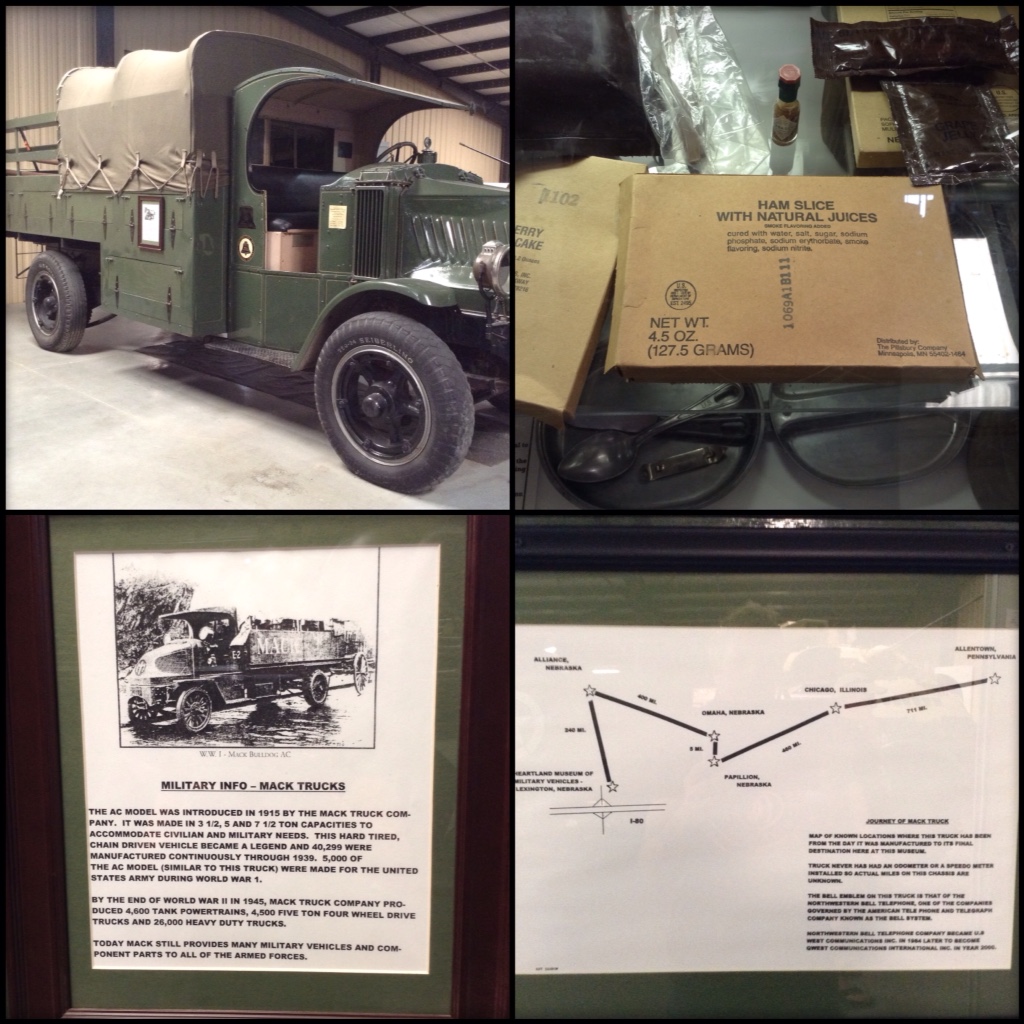
Locally, restored and maintained at two machine shops, these vehicles are on display for all to see. A lot of other interesting items from ration packs, medals, uniforms, armaments, firearms and helicopters.

Here is a pictorial look at Heartland Museum.


We thank the veterans who care for it. This is well worth a stop and a generous donation.

Kat xo

http://heartlandmuseum.com/index.php