Kansas – Nebraska Day Trip

Travelling along, no car projects this trip, so snooze! Yeah that sounds pretty good.

We were heading north through Kansas and came across Waconda Lake between Beloit and Cawker City, a massive expanse of waterway. Not much out this way except lots of farming and Beloit is clearly a very large agricultural hub.


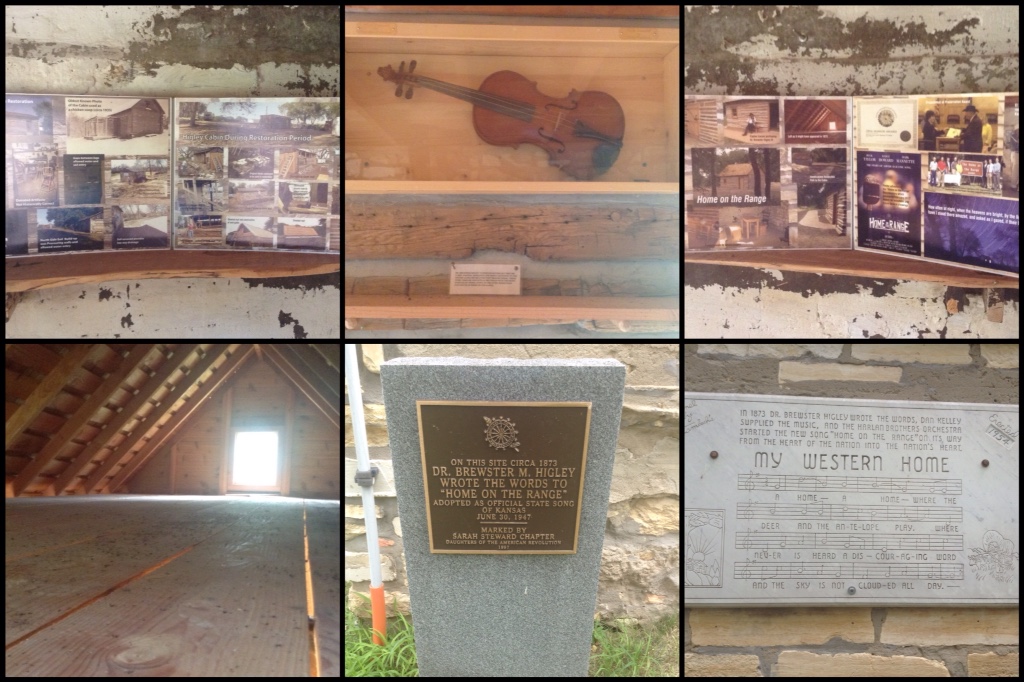
Continuing North we took a quick side trip for a mile off the Hwy8 which took us to the Dr Higley cabin. (Lovingly taken care of, restored and remaining on its original site thanks to Mr and Mrs Pete Rust)


Birthplace of 'Home On The Range' the Kansas state song was written in 1871 by Dr Brewster M. Higley as a poem of his property in Kansas alongside Beaver Creek. In 1872 he gave it to a guy by the name of Dan Kelley who set it to music. A refrain was added (the chorus, home, home on the range….) and his poem 'my western home' became 'home on the range. The poem and song were published in 1872 and '73.

It became popular amongst Cowboys riding long distances with cattle drives and later Franklin D. Roosevelt declared it as his favourite song. In 1947 a bill was passed in the Kansas Legislature establishing the song as the official state song.

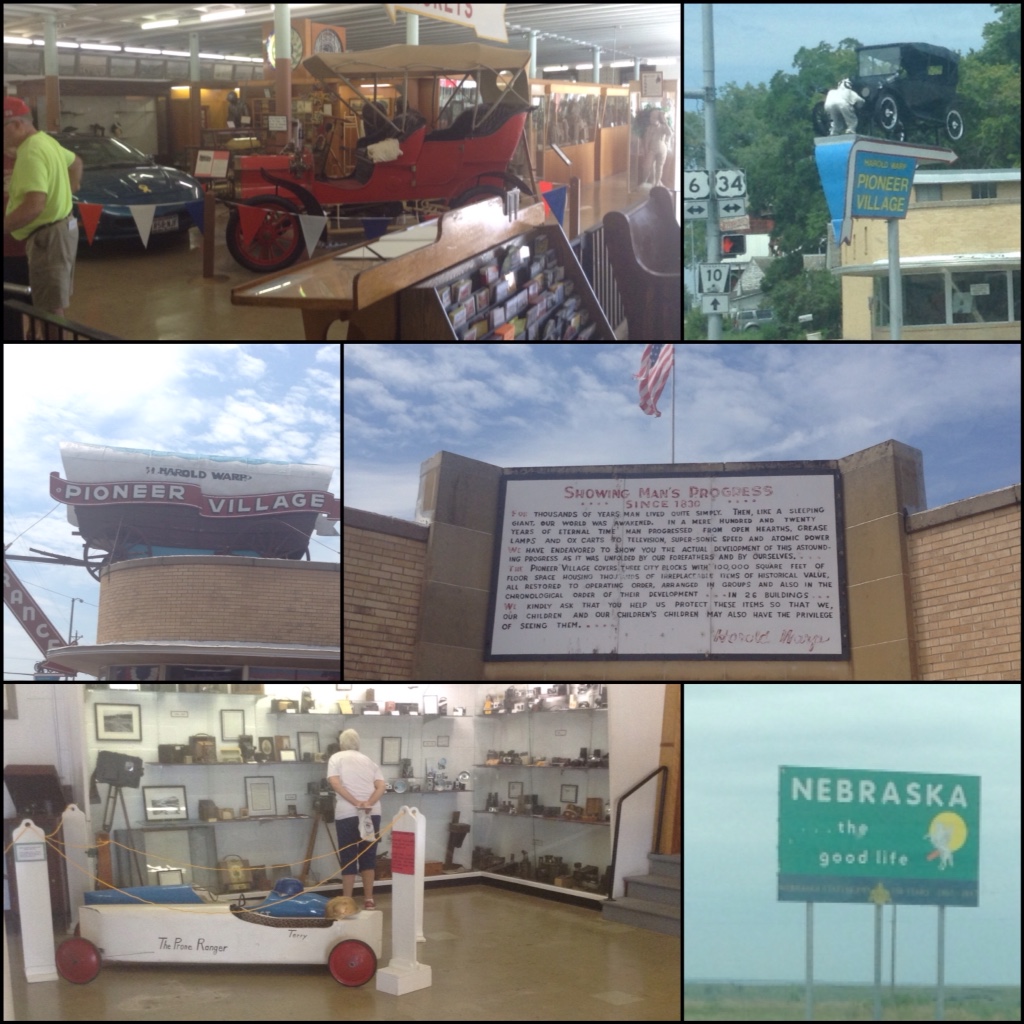
Continuing on, we crossed into Nebraska, heading towards Minden.

Minden established 1877 – the Christmas city – has a nice selection of old homes and the Harold Warp Pioneer Village. Anything and everything you could think of from mans progression since 1830. 26 buildings, 3 city blocks – not enough time to do in a short afternoon.


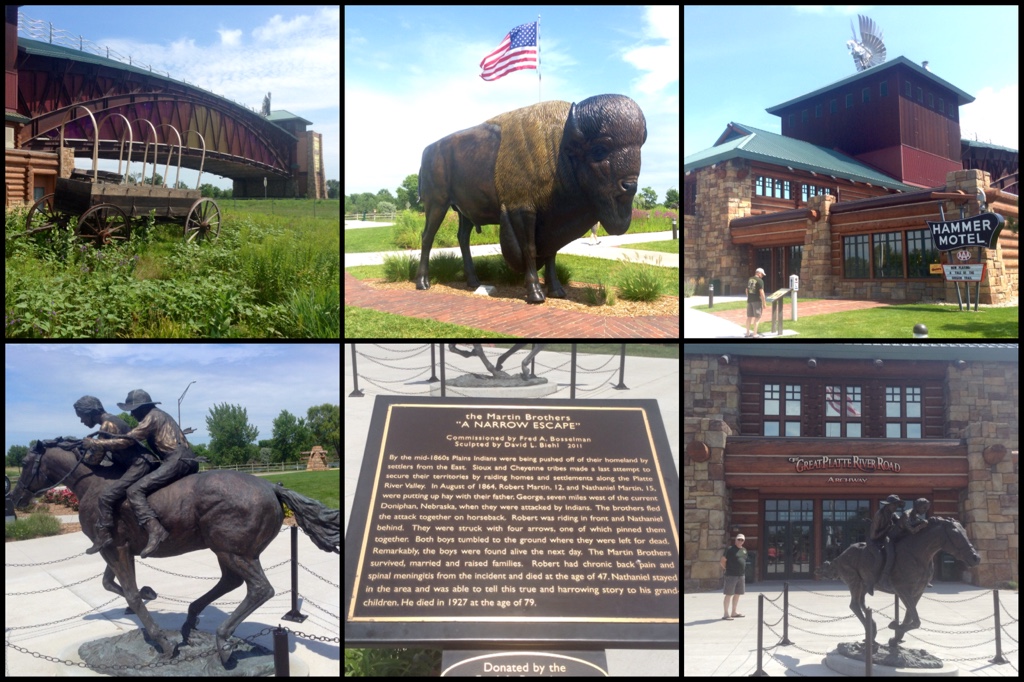
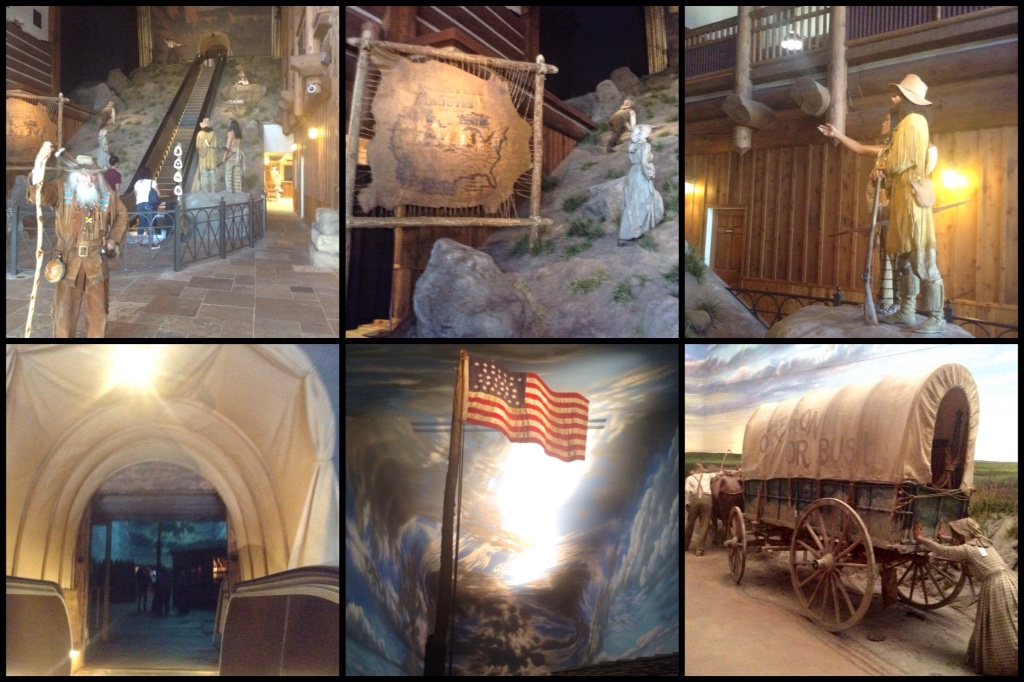
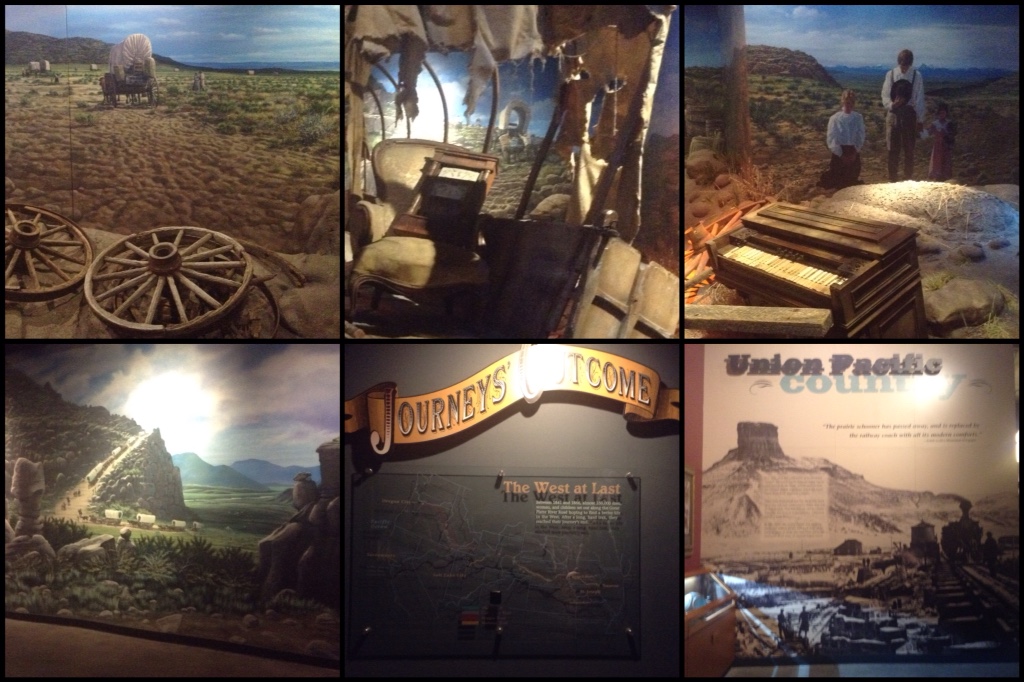
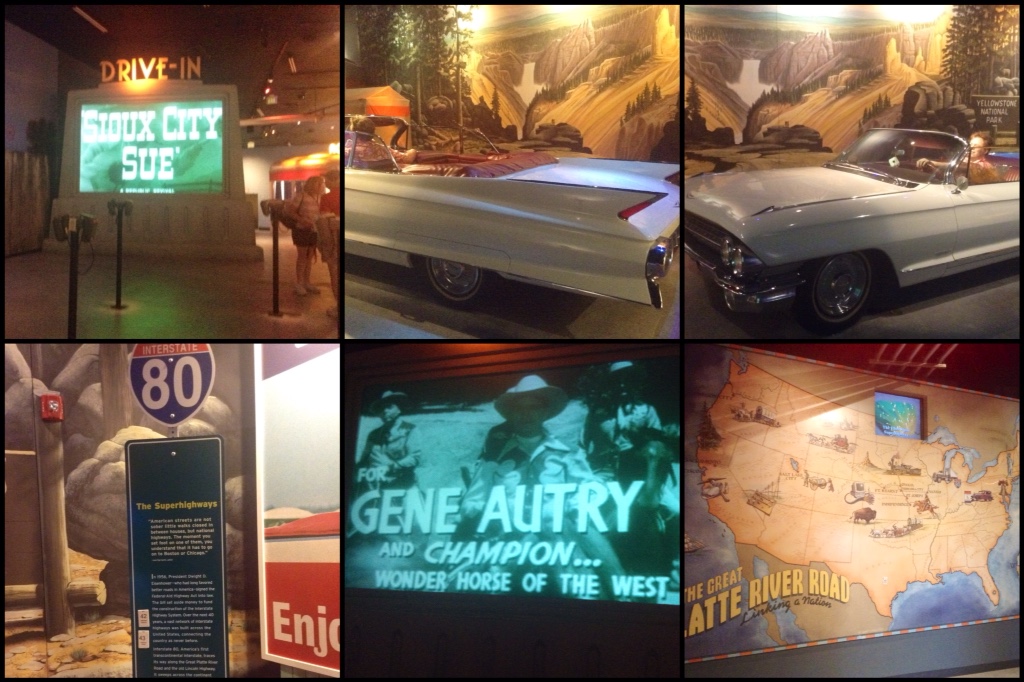
Next to Kearney (pronounce Car-nee). We crossed the Platte River taking us through even more farmland. Soon we hit the I80 into Kearney through the The Great Platte River Arch Monument. We went into the Arch Monument and their historical exhibit, wow! Oh….my….goodness!


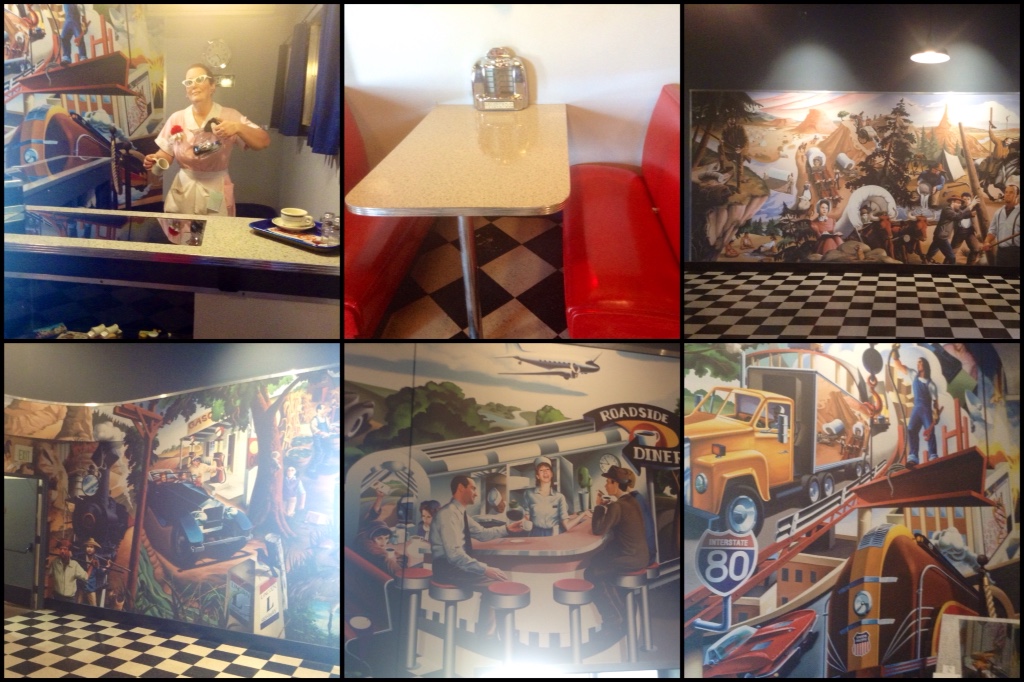
The murals were just sensational! So much detail! Standing there looking at them while listening to the commentary you saw so much more. This is a place I could come back to multiple times and still see more. You were given a device at the beginning of the tour that had multiple points during the tour where you got the information along the way. More than that, the displays, the video's, the models, murals, everything was sensational!


Then it was find a motel to stay in and tomorrow we will see the some other museums, maybe a railway one and Chimney Rock before moving on through to Cheyenne, WY.

Sleep well!

Kat xo
P.S. The I80 was Einsenhower's way of employing those back from the war by building the greatest Trans continent road between SanFrancisco, California to New York. A multi lane highway stretching from one side of the country to the other! Made transport easier and gave all veterans an employment opportunity.


Days of Truth – The Truth Is In The Packing

One, two, shuffle my shoe

Three, four, just a corset more

Five, six, ammo in the mix

Seven, eight, pack them straight

Nine, ten, weigh it again!

Cowgirl packing, minimalist style. (she says rolling her eyes)


The truth was definitely in the packing. 4 bloomers, 5 tops, 6 corsets, saloon skirt, petticoat, 1 pr shooting boots, 1 pr cowboy boots, 1 pr saloon boots, casual clothes, jewellery, a wig, 1 hat, rig and 5kg/11lb of ammo.

Think I did pretty good actually, phew, that was tough going!

Now ready for SASS European Championships – 'Days of Truth' in Oparany, Czech Republic. We don't leave until 2nd August but we are ready!


A busy week ahead, wishing you a good one too!

Kat xo
 

What A Tangled Web We Weave

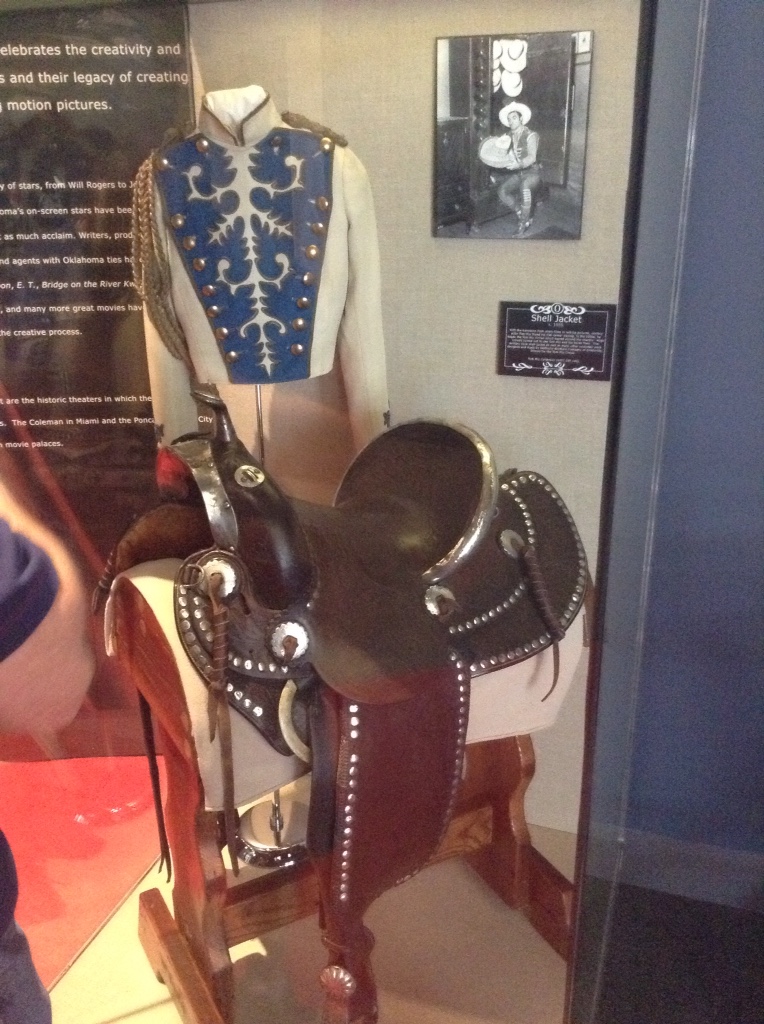
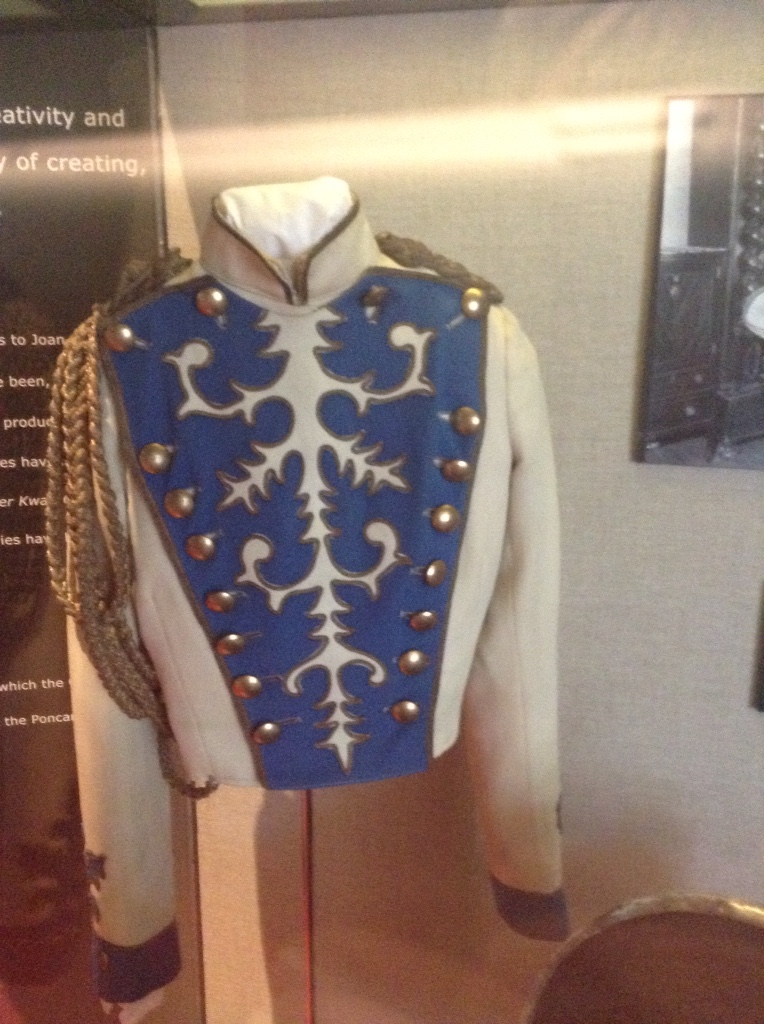
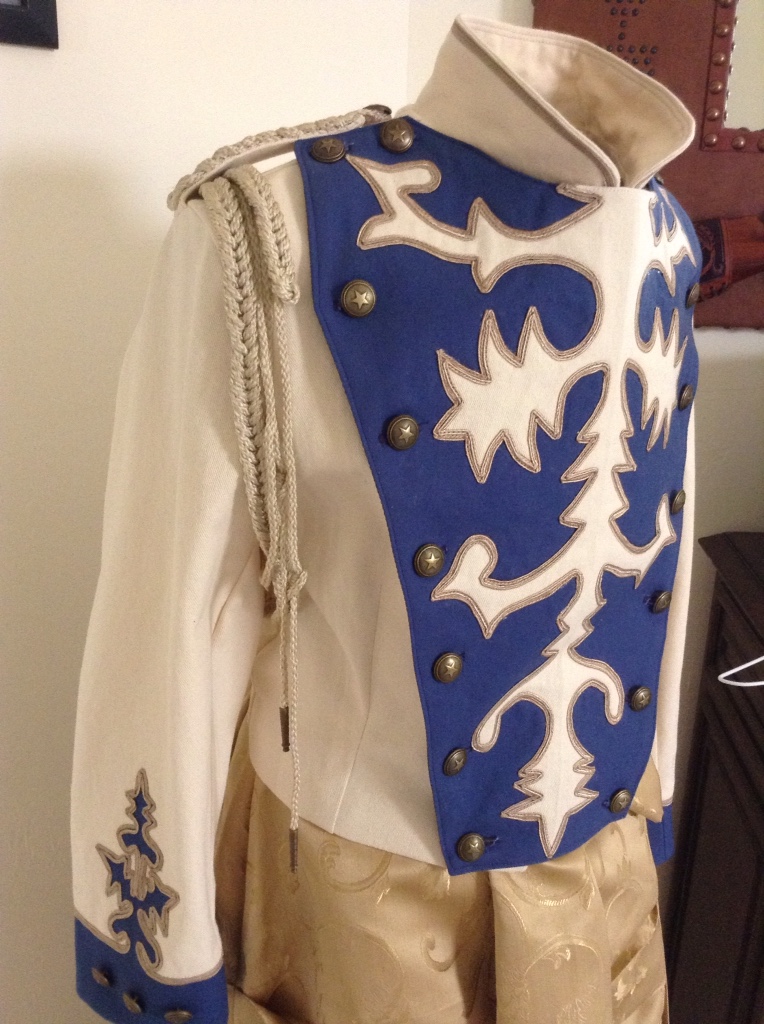
I've been doing these Tom Mix inspired jackets for Jack and I for some time now.

We first saw the shell jacket in one of our very first visits to the Oklahoma History Centre which was quite opportune at the time as they had a whole section on famous Oklahomans.

Right in the door way was a Tom Mix exhibit with his shell jacket (c.1935 from what I can tell from the plaque) a saddle and pictures.

Having wandered through the rest of the exhibit hall it really struck me that this would make a pretty neat costume and I should have a crack at it!


So a few photos later it's been sitting on the back burner for about 3 years, fabric purchased probably about 2 years. A good test of the soutache skills led to some eye rolling, tantrum throwing days but eventually a result that I was reasonably happy with!

A split/riding skirt for me and a new pair of duds for Jack – in coordinating fabric – and then it was procrastinate, research and procrastinate some more over the shoulder boards.

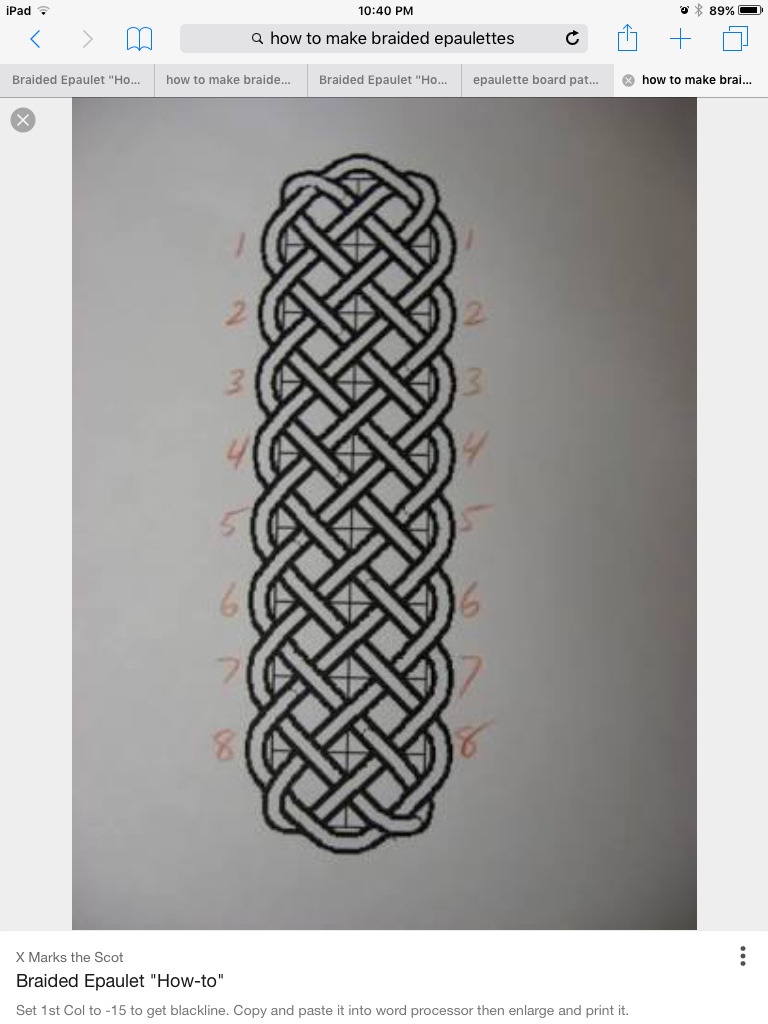
More super eye rolling and research eventuated in finding xmarksthescot.com and their question/how-to regarding the making of shoulder boards. Yes thank you! A decent blog/internet response regarding 'how to make shoulder boards'!

So step 1 – skip the part about some program that helps you develop some template on how to make a shoulder board.

Looks about an inch apart………that will do she says! Let's do this!


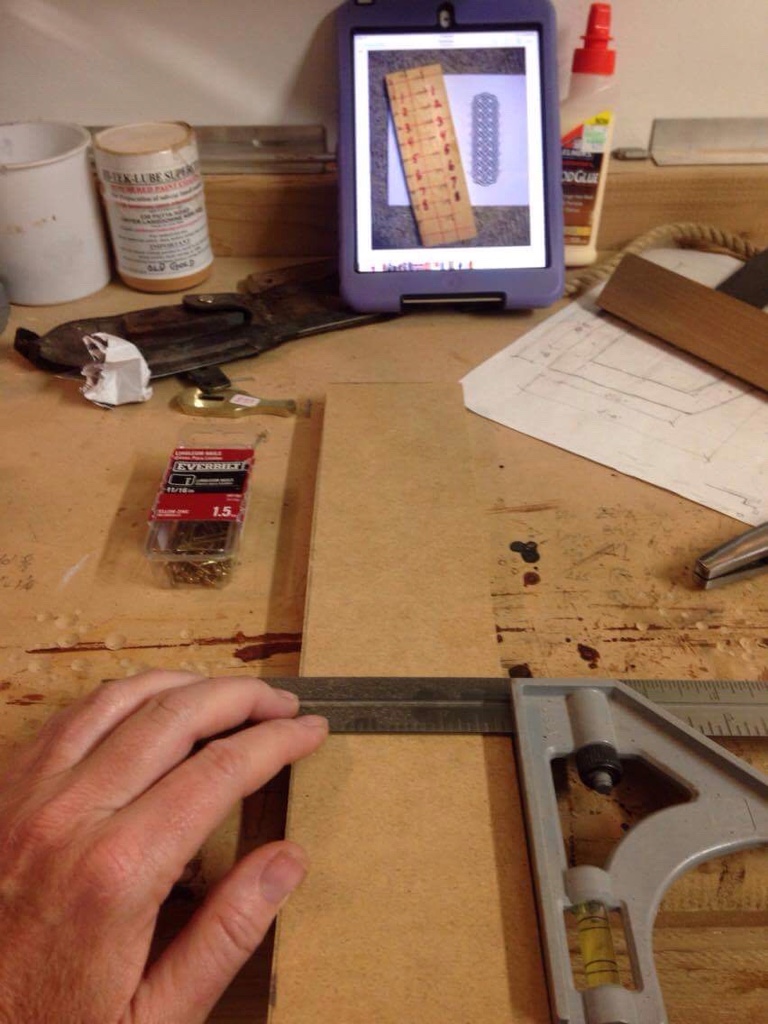
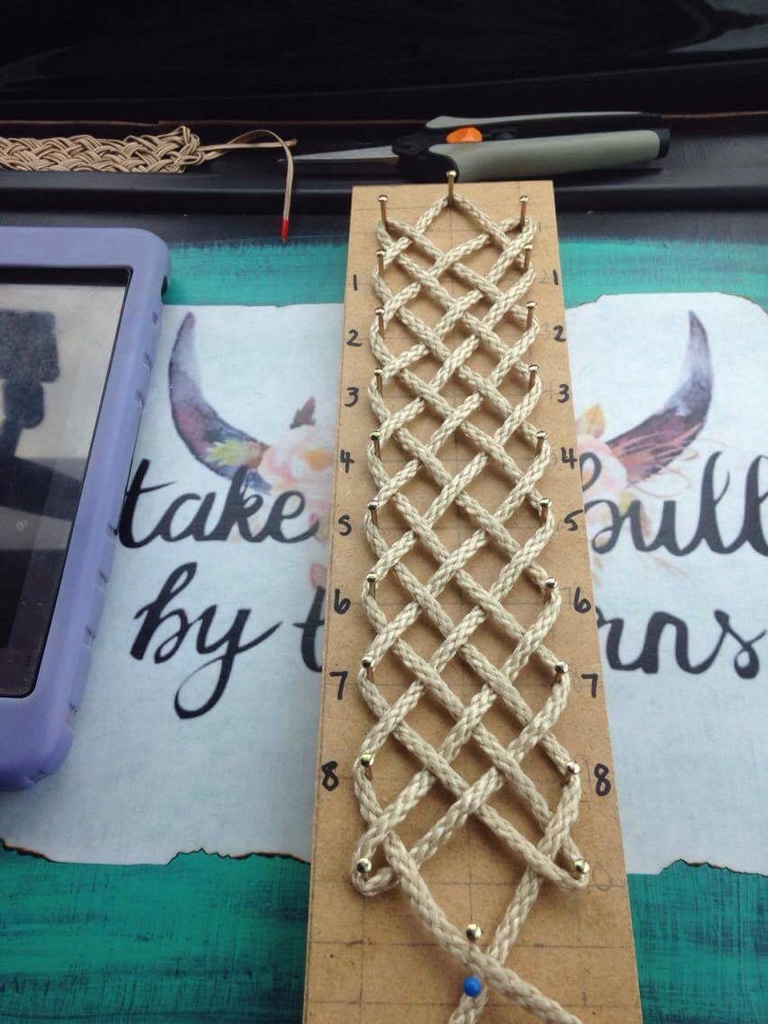
Step 2 – out to the shed. Acquire a scrap piece of timber from Jack, yep that'll do, and look at pic again from Internet conversation. We can do this!


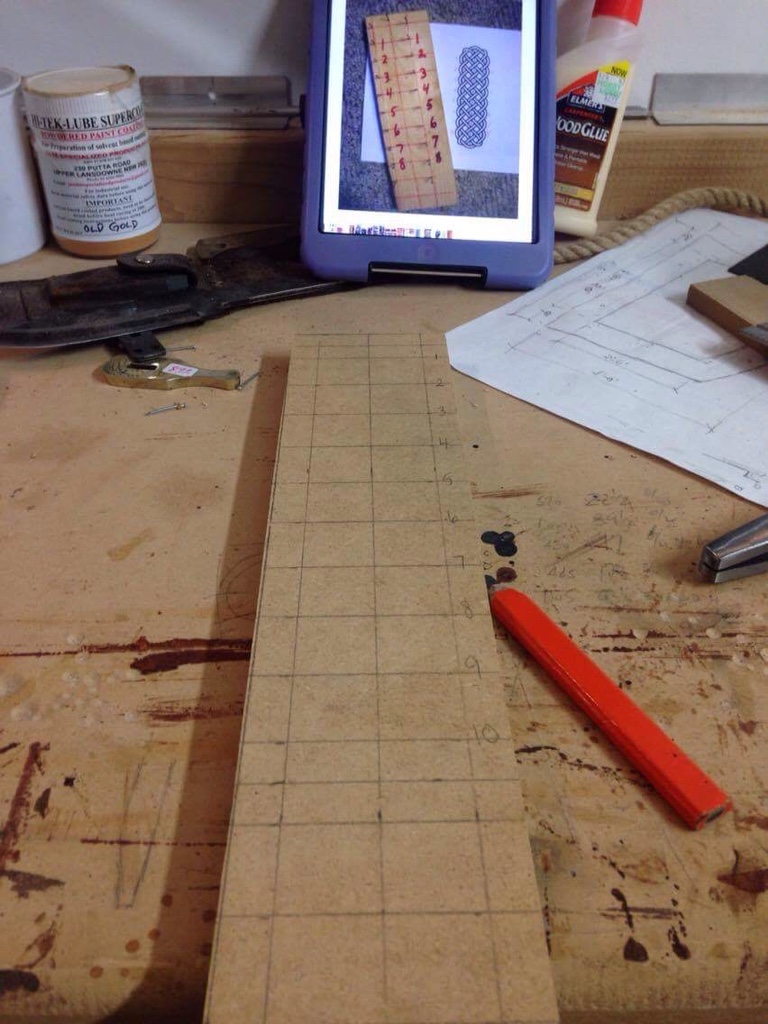
Step 3 – draw up (a presumed) 1″ grid on piece of timber as per picture. Got it! Sorted!


Step 4 – nails, find nails, yep, hot enough. Hammer nails in to create a 'loom' type piece for making shoulder board weave on.


Step 5 – acquire internet picture again. Yep, should be able to do this……..get so far and use drawing to complete required weaving pattern.


Step 6 – follow through with braid again as per instructions. Hmmmm yeah, nup, not liking this look.


I decided that the 3mm flat soutache braid is too narrow and flimsy looking, not the required look I'm going for so it was off to Jo-Ann's and Hobby Lobby. I settled on some coordinating braid that would probably work and set about to again make the shoulder boards.


I will add the guy was right when he said the easing and tightening of the weave took longer than the actual weaving itself. Eventually I got 4 even looking epaulettes I was happy with.

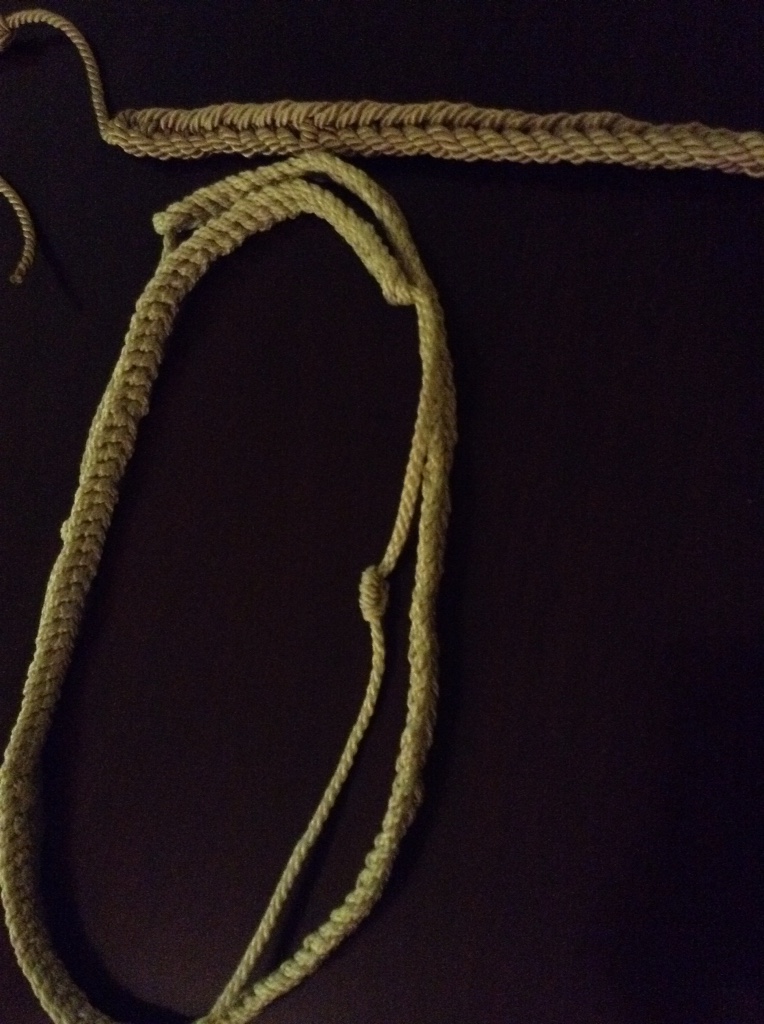
Next I needed matching military braids. How am I going to make these? Back to google I go, found a link and a YouTube video by Tieing It All Together. You ripper, here we go!

So two goes and I got it! Yee Haa!


Had also ordered bugle cord ends – usually used on bolo ties – and completed the cord end.


Hmmm not too bad.

Oh and I did a bit more research on Tom Mix, he was actually born in Pennsylvannia but did spend a lot of time in Oklahoma?? I know the saloon in Guthrie has a claim to fame with Tom Mix having tendered there and the Tom Mix Museum is in Dewey, so I guess Oklahoma can claim him as one of their own.

Have a good one!

Kat xo


Regroup

Unpacking is done, 2 more loads of washing are in their final stages of drying, brass is tumbling, shells are ready for reloading and other gear is stashed.

Time to regroup and get ready for the next round!

Having got back to Oklahoma on Monday evening yesterday and even today has been spent wandering around, feeling worn out, not concentrating on any one thing for more than a few seconds but slowly getting through it.

End Of Trail is done, friends have all gone their separate ways and it's time to get organised again.

I'm still dreading the ironing, that I loathe with a passion, but i'll get there. The machines are calling me and I'm itching to get into another eclectic mix of cowgirl wedding attire, day of the dead and another Hell On Wheels costume.

One bag was put away and 3 more came down from the attic ready for Days of Truth in Oparåny, Czech Republic! Looking forward to a bit of Prague and Germany in a months time. Stay tuned for that trip!


The trophy is in the cabinet and it's time to reset and move on to a new set of goals!


Here's to you and yours! Wherever you may be, hope you got back safely from End Of Trail and we will see you somewhere down the trail.

Kat xo


Now, Where Were We?

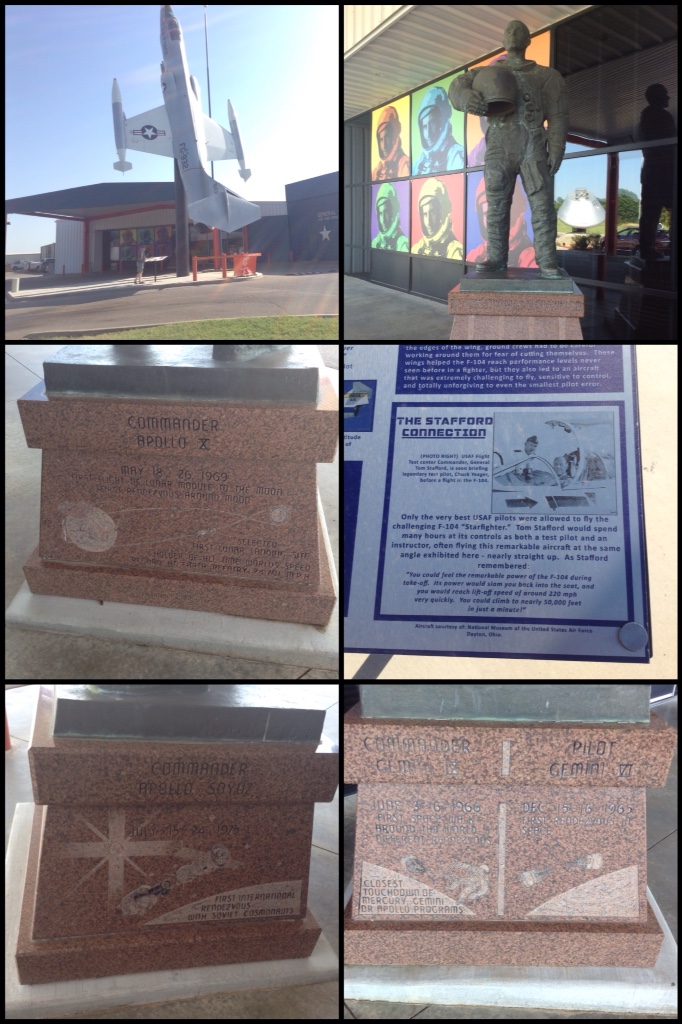
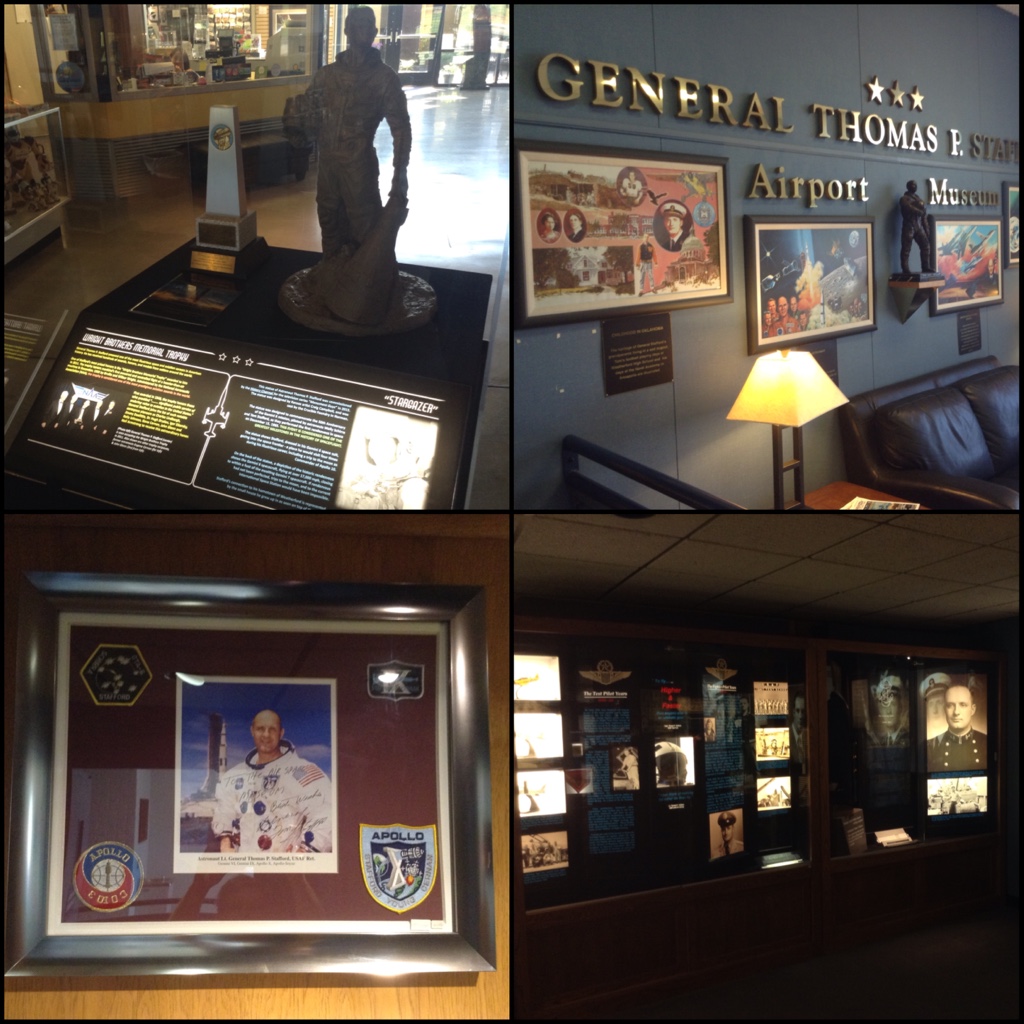
Oh yeah, so last Thursday we were heading here to Albuquerque, breakfast on the way, making a quick stop in Weatherford at the Thomas P. Stafford Air and Space Museum….as you do.

We have driven past it a number of times and it's the usual, 'we should stop and have a look at that place one day'. So this day we finally did!


In we trotted. To give some small background General Thomas P. Stafford is a well respected Oklahoman, and indeed throughout the nation, a man who was an author, fighter pilot, astronaut and test pilot. He commanded Apollo missions.


Inside the museum there are a number of planes from the Wright brothers days to the Lindbergh non stop Atlantic flight in the Spirit of St Louis, WWI fighters, experimental aircraft and modern day marvels.


Then there is a whole section on space exploration including the Russian joint missions during the space race. There are replicas of satellite launchers from around the world and unique information boards to imagine how much 'John Deere' horsepower it would take to fire up just one F-1 engine.

Go on, you're dying to know right? Try 56,000 John Deere 9620R tractors equivalent! The Saturn V rocket used 5 engines so that's enough tractors to reach from Weatherford, OK to San Francisco, CA or 283,800 tractors end to end.


Anyway, from the information we read in the museum Stafford was a very influential man both in flight and space, not only flying during service, commanding missions in space but teaching others to do the same and his expertise in these fields earned him the highest honours and Congressional Space Medal of Honor.


All in all, this was a neat little museum and is worth a visit, takes about an hour.


Now it's been a wild weekend but I'll get to that tomorrow after the Wild Bunch dinner and awards are done.

Kat xo

P.S. Well it's today now as the bugs were finding the light of the iPad in the darkness last night. Wild Bunch Awards and dinner tonight. Will do Wild Bunch blog tonight! 🙂


What About Wednesday?

Yesterday started out with practice day, Wednesday 'work shirkers' found 13 Cowboys head out to the range to partake in 6 stages.

We did one of single target engagement, a Nevada sweep next and then a 5 round alternate with a 5 round dump. Repeat each stage twice, giving you a chance to perfect on the previous run or change things up. It's good for checking yourself, your equipment and well, really…..just an extra day to have fun shooting!

After burgers and beer, Jack and I headed for the National Cowboy & Western Heritage Museum, my all time favourite, to see the headdress exhibition before it finishes this next month.

As we headed down the main passage way the current short exhibition is 'The Artistry of the Western Paperback'. Featuring artists who illustrated covers etc for dime novels and more. Of course we had to get pics of our heads in the photo opportunity novels!


Then we made our way into the exhibition hall where the 'Power and Prestige: Headdresses of the American Plains' is housed. There is no photography in this exhibit but I did take notes!

Around the walls are some beautiful photos of tribal chiefs and warriors. There are also some drawings that were done by captured Indians being held in forts. Many depicted warriors and horses.

The headdress, like other forms of clothing or jewellery in other cultures, is a symbol of prestige, power, wealth and position in a tribe.

Some of the headdresses were made with the traditional eagle feathers with porcupine quills, horsehair, leather, silk and/or beads. There were smaller ones made with deer tail and one split horn piece covered in weasel fur. This one (photo courtesy of National Cowboy & Western Heritage Museum website) made using ring-neck pheasant feathers.


There are also 5 distinct styles of headdress; flared, swept back, stand out, straight up and trailer. The trailer headdress are exquisite but I would think there would be a fair bit of weight in these also as they are the ones that usually reach the ground. There is an exceptional exhibit of one in another section of the museum that we have seen before.

As we made our way to the next exhibition I spied a familiar bronze statue. It was indeed a Frederic Remington! (Remember the Winter Range trophies from previous blog?!!) here is a collection of Frederic Remington works including, bronze, drawings, art and facts and tales of the artist himself. A chance meeting I do declare! 🙂


On into the 'Hollywood and The West' exhibit. What a stunning collection of photography by John R Hamilton. (Also no photography in the exhibit.)

His many views through the lens of some very scenic sunsets, snow, monument valley backdrops, are beautiful but it is his candid shots of the many western actors that he captured both during filming and off set that makes for an excellent (photo courtesy of National Cowboy & Western Heritage Museum website)


For movies from the silver screen era such as Hombré, Silverado, El Dorado, Stagecoach, The Searchers, Sergeants 3, Revenge and more. Featuring none other than John Wayne, Paul Newman, Kevin Costner, Henry Fonda, Kirk Douglas, the 'rat pack', and of course the lovely ladies Shelley Winters, Anne Margaret, Bridget Bardot and a very young Natalie Wood.


From here we could see another interesting exhibit with that all familiar cowboy accoutrement – the bandanna. Aptly named 'A Yard of Turkey Red: The Western Bandanna' just had to be viewed while we were here. (Photo courtesy of National Cowboy & Western Heritage Museum website)


The neckwear that became the most recognised cowboy attire, was usually used to keep dust and dirt out of the cowboys face whilst herding cattle. They kept their best bandannas for outings and like other species, some were more colourful in hopes of attracting the ladies.

Turkey red was a colour produced for dyeing cotton with the root of the rubia plant. An arduous process apparently in the 18th and 19th century, it was imported to England from the Middle East in the 1700's. Later even cochineal was used to dye and produce magnificent reds also. Indigo also featured in later years.

Around the walls the photos and cabinet cards feature Cowboys sporting their bandannas and although black and white you can clearly see the distinctive patterns on them.

The display cases house a number of different bandannas, some dating back to pre civil war (paisley pattern)1865. The thing that caught my eye however was a bolt of fabric still with its stickers on it. A gorgeous red with cream and what appeared to be navy, continuous floral design motif. Made by SH Greene Warwick of Rhode Island, it was gorgeous and I found myself looki at the end of the bolt to see if I could work out how many yards were left on it!

It was interesting to note that many of the later bandannas had dot or geometric designs on them. The paisley design came in around 1808, so named after the town it was produced in – Paisley, Scotland. However paisley is an English word for buta or boteh, the teardrop shaped design is actually of Persian origins. As we know it is probably the most significant or recognisable detail on the bandanna.

Later productions of bandannas had pictures and were often used for souvenirs or advertising. There was a bandanna with a castle featured but I didn't get the details of this one. I did however find on the Internet that a bandanna with Washingtons picture on it was produced in 1776.

All in all a great way to round out the day!

Kat xo


Zion National Park

Thursday and it's time to head out again! Yes, we are cramming in as much as possible in the few days we have here.

Zion National Park, a must see, when visiting the St. George, Utah area. A wonder of beauty, red sandstone and rugged terrain.

Winding roads lead to nine various points of interest, walking trails and many many photo opportunities. We went up through the 1 mile tunnel capturing some stunning scenery along the way including deer to the side of the road, a missed photo opportunity for those.


Returning through the tunnel we made our way along from the Zion Lodge and through to The Grotto Trailhead. The walking trail here would lead you on and up the path to Angel's Landing. A trail that reaches the summit with the final path being a mere 2foot wide and a chain fence (sorry I mean a chain between two posts and so on!) to hang on. With correct footwear, bit more fitness and during summertime I would think about attempting that one!


Onward to the Temple of Sinawava. We did the 2 mile Riverwalk trail. Ambling along the canyon alongside the river, the water and it's pale emerald colour which is in fact perfectly crystal clear and exceptionally cool. Yes of course I put my hand in! 🙂


After we got done there we headed back into Springdale to Wildcat Willie's for a great lunch, a beer and well, ended up buying some of the beer glasses!


Next it was get back into town and onto Dixie and TL's for dinner. What a fabulous evening, not only for drooling over every corner of their fabulous home, but for the exceptional company and guests – Dixie, TL, Virgil, Allie, Pat, Twelve Mile Reb, Dusty Garnet and Juan Bad Hombre.

Oh and thanks for the use of your sewing machine Dixie! Love your sewing room 😉

Kat xo

P.S. We did go past the cowboy range where Dixie Desperado's shoot at the Southern Utah Shooting Sports Park! We will come back to shoot one day, enjoy your Wild Bunch club match tomorrow.


Pine Valley and Tuacahn Ampitheatre

Still on Wednesday! After the house, the temple, lunch and a quick trip into Joann's (fabric sourcing) we took a scenic drive out to Pine Valley. On Anne's wall is a painting of a small church which still exists in this quaint little community.

From one side of the red rock cliffs to snow dusted mountains, the scenery certainly is a treat. As we came into Pine Valley, having climbed in altitude, the hills are covered with more snow and there is still plenty of the white sparkly stuff on houses and shaded yards.


Now before I go on, I must share the painting as painted by Roland Lee in 1987.


Here, today hidden amongst the now grown pine trees is this little hidden gem built in 1868. According to the National Register of Historic Places, it was designed after the New England chapel pattern by Ebenezer Bryce, a ship builder who said he was building it like a ship.


Back in the car when clear across the other side of town through Snow Canyon up through some beautiful estates and can I just say, some very spectacular bronze art on the roundabouts!


Here we ended up at the Tuacahn Ampitheatre, all natural, red rock backdrop. Tiered seating and stage, home to the Performing Arts College, this place would be an awesome acoustic experience for concerts, plays and more.


Another great day!

Kat xo


Brigham Young House and Temple

We headed out to further the Mormon experience of St. George and took a tour of Brigham Young's winter home.

He would come here from Salt Lake City to avoid the cooler climate and get a little relief from his rheumatoid arthritis.

Into the little white side building we commenced the tour with Elder Johnsen.


In the beginning Joseph Smith, having written the Book of Morman, was the first prophet of the church. He had been driven out of New York into settlements in Missouri and on from there.

Haun's Mill Massacre, 2,500 men rode in and killed many Mormans, tar and feathering Smith and driving many others out of Missouri.

Whilst Smith was undergoing all this, Brigham Young was taking care of business. He sent many families north and south to settle and create missions at both ends of the spectrum. People with different skills were sent to create functional settlements.

By 1861, 79 families were established here in St George and a further 360 families were later sent down to the cotton mission. A lot of the families were from the south, and having experimented with cotton in previous years, assisted the mission in cotton production, hence where the name Dixie came from.

Cotton provided for their needs during the Civil War. Later it was more viable for them to buy rather than produce it themselves and so the cotton industry faded out. The cotton mill still exists today but has been restored and used for other purposes.


They also established a silk industry here and the tree in the back yard is one of the original mulberry trees. Young taught the people to be resourceful and to try different things, it also allowed them to decorate with the silk.


This is what St George used to look like when they first came to settle – looking towards the red cliffs. I'm sure they wondered why they had been sent here to such an unforgiving looking place at the time.


Zion, as it was called at that time, was why they came because a prophet had made the calling.

Erastus Snow was the guy who looked after everyone when Young was not here, only coming down in later years for winters.

The back section of the home is original of 1871 and in 1873 the front two stories were added. The small white office we had the initial part of the tour in was added in 1876. The office was used for selected brethren meetings. They would work up ordinances for the temple, marriages, baptisms etc.

Young named St. George after George A. Smith. When the communities were getting scurvy he taught the people to grow potatoes and to eat the skins, so they did and avoided getting sick – that's how they came to call him Saint George. When it came time to name the town they went to Young and asked it to be named St. George.

George A. Smith's rocking chair gives an idea of his stature. The Indians called him man who can be taken apart. He had a toupee, glass eye and wooden leg.


Soap, candles, cheese etc were made in the outdoor pantry off the verandah. They often lowered stores down wells to keep them cool – no refrigerators in those days!

Thomas Cottam furniture builder and master woodworker created a lot of the pieces in the house. The timber work is just outstanding and even wih limited resources they have produced beautiful work. The craftsman, used to seeing the beautiful variations of European timbers and hardwoods, only had the softer, plain pine timber from Pine Valley. So the various timber 'look' is actually grain painted and stained to create the oak and cherry.

Interesting fact: The bee hive significance means worker, industrious. And indeed everyone worked hard and they have created many industries.

Like most houses the parlour was where entertaining was done. The table in the centre – pine – was his original table but looks like cherry. The 'marble' fireplace original is also timber and painted using a feather. See! techniques we use today to create faux techniques were being used in the 1800's!!


Brigham Young passed away when he was 75 years old. A very learned man despite only 11 days of formal schooling. He is known as one of the greatest colonisers having settled 400 areas between Alberta, Canada, South California, parts of Mexico, and Polynesian islands.

He had plural wives but his wife Amelia, unable to have children, helped with various affairs, and looked after him with his rheumatism and had a wonderful singing voice. The box piano although not hers is similar to what she would have used. The box piano so named for the legs and pedal sections being removed to transport in an open wagon.


Again the fireplace in the dining room, although looking like marble, was indeed painted pine. The temple sketch on the wall was drawn from a dream Young had about what the temple should look like.


The hired help stayed in the upstairs room and were not to be called servants. They were all gods children and deserved to be treated equally.

The doll on the pedal sewing machine was one of 13 Cottam had made for the girls (he probably made tops for the boys).

The bed, armoire and chair are all original. No 'built in' wardrobes in those days as it was treated as a separate room which meant the house could be taxed more, hence armoire's were used.


The windows are beautifully detailed, Young said that the sunshine flooding the room also reminded him of the lords word flooding his life.


In his room is the chair that his portrait was taken in. The feet of the chair were lions feet – he was known as the lion of the lord. The pineapple on the back of the chair signifies hospitality. Check out this chair! Pine of course but upholstered in horse hair! Extreme resourcefulness.


All the Mormon people we came across are very quitely spoken, although passionate people. Not a lot are from the direct region as we found out when we visited the St. George, Utah Temple.

The Utah Temple was the first to be dedicated in the West. The people were given the task of building the temple and did so before ever building their own homes. It took them an amazingly short 18 months to build. It was built with red sandstone from the red cliffs and was coated with gypsum to seal it. Hence the gorgeous white we see today and it's illumination of a nighttime is a spectacle on its own! It has recently had its clean and repair so we are lucky to be seeing it in its pristine glory.


The smaller tabernacle further in town is currently being refurbished for seismic protection. None of the tabernacles, churches or temples for the Latter Day Saints have a cross on them as they believe Christ still lives among them. Some may appear to have a cross but they are in fact weather vanes.

In the visitor centre we saw how the lead filled canon was used to pound rocks and earth for the foundations of the temple – perhaps a better use for a canon. The centre also shows a timeline from 1871-1877 of the colonisation and subsequent building of the temple, all the while with full glass windows and the temple as a backdrop – today against perfect, cloudless blue skies and manicured lawns.


Into the explanation room and their are pictures of some of the rooms within the temple. You aren't allowed in the temple (as an everyday person) once it has been dedicated, unless you are a member of the Church.

The baptismal room with its full plunge pool features cows around the base symbolising the twelve tribes of Israel and are facing outward to signify the word reaching all wherever you may be.

The celestial room is a place for reflection, no phones, no clocks, no technology, and you would sit in silence or speak in humbled tones and quite voices.


All the Sisters and Elders are from all across the globe. The girls are sent on mission for 18mths and the boys 2years. We spoke with one from France, Chile, Texas, Washington, Brazil.


St. George, Utah is indeed a city steeped in religious history. Whether you are religious or not, this history formed what is today. The trials, tribulations and monumental tasks settlers undertook, makes for a very interesting and insightful visit.

Kat xo

Wednesday, 2nd March


Jacob Hamblin House

Santa Clara, part of Washington County, Utah, is the original settlement of 1854 in the St George area.

We visited the home of Morman missionary, Jacob Hamblin and had a short tour talk by Sister Bunnting.

Along with 6 other families, he was sent to the Santa Clara area by Mormon prophet Brigham Young (for those of the modern day world, you should remember that name from the Hell On Wheels series) into the Cotton Mission known as 'Dixie'.

Jacob Hamblin was a missionary and conduit to the Indians for many years, living with them and assisting in the movement of Indian trains to California. He wore a red bandana which symbolised he was a friend to the Indians.


He was trusted by the Indians and often stood up for them in dealings with the Government and other people. He was a quite shy man who never showed anger or fear as that was known as a sign of weakness to the Indians.

The fort the Mormons came to in Santa Clara was situated close to the Santa Clara River. When the great flood of the Santa Clara and Virgin Rivers occurred in the 1800's it took out 3 sides of the fort. Hamblin then built this house high up on the hillside where he hoped another flood would not reach them.


At the time he had 2 wives, one in each of the front side rooms and of the 24 children they raised (some were adopted) 10 lived in this home. Jacob would have slept in the central room.


The table setting interestingly enough is set as they used it then. Chairs were turned facing out so you would kneel to pray before eating. Once prayers were said you would turn your seat around to eat. The plates were set face down literally to avoid dust and dirt on your plate but no explanation as to why the silverware (cutlery) was placed as is.


Later a room was dug out at the back of the central room and used as their root vegetable cellar. The saddle displayed in this room was Jacob's. The pouch on the side of the saddle was for his scriptures and although he carried a gun he believed the word was mightier. The hobbles hanging on the wall were used so the horses could graze without wandering off when he was out on missions.


Into the left front room and on the mantle is pictures of two of his wives. There has been no picture of Rachel found but these are of Priscilla on the right and Louisa on the left. The furniture, quilt, rope beds and straw mattresses are all original.


Ascending a very narrow staircase into the upstairs room which was for the children for sleeping, church, schooling, teaching carding of cotton ready for spinning etc.

The central door on the front wall leads out to the slanted verandah roof where they used to lay food out for drying.


When they extended and dug out the hillside for the root cellar an additional upstairs back bedroom was added for the girls to have privacy.


Going outside the door to ground level the final piece of the tour was the rock piece displayed. When his wife Rachel died in 1865 he was away and he was so distraught that he couldn't be there to grieve with his children that he carved his name into a rock and the date she passed away. The petroglyphs on the rock are reportedly to have been there at the time of the inscription.


Anyway for a really brief bit of insight into Mormon roots and the cultural history of southern Utah this was a great little tidbit to start with.

Kat xo

For more info go to https://en.m.wikipedia.org/wiki/Jacob_Hamblin

https://en.m.wikipedia.org/wiki/Santa_Clara,_Utah