Jesse James, Missouri

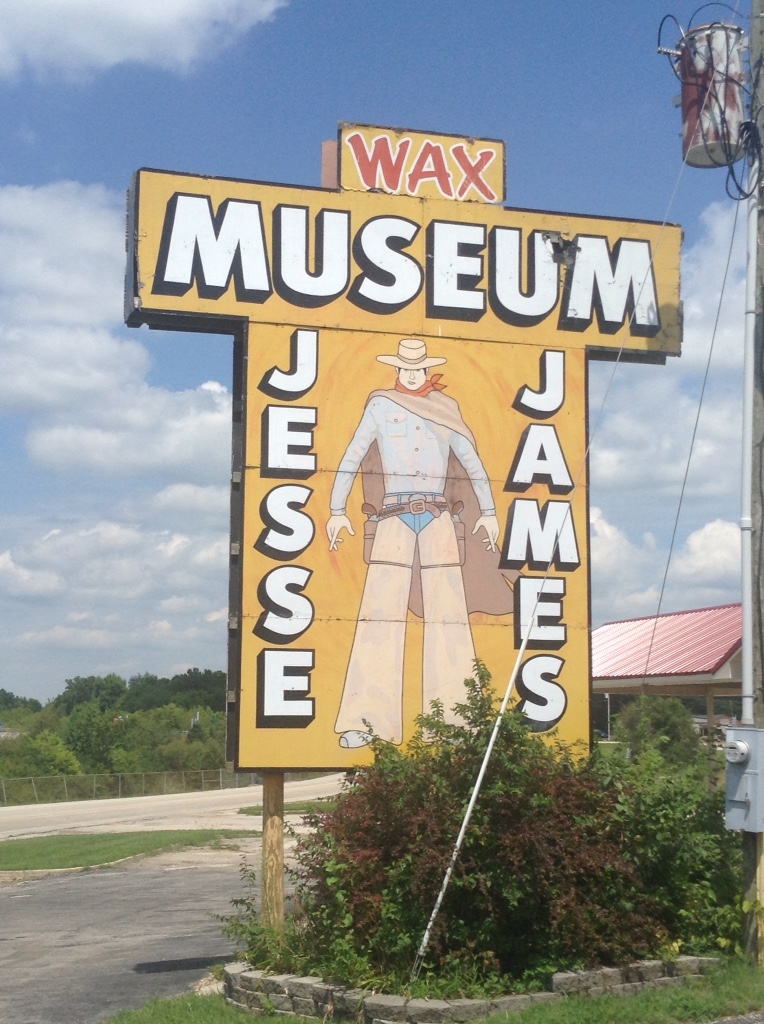
Travelling through Missouri we see a sign for a Jesse James, Wax Museum.

On the old Route 66 and adjoining the Meramec Caverns, once a hideout for Jesse James.


Jesse James and his brother Frank joined the Civil War in 1861 at a very young age. Whilst serving in the war they basically learnt to kill. They met Bloody Bill Anderson and William Quantrill thus becoming part of the Quantrill Guerillas rogue gang.


Meramac Caverns near Stanton, Missouri was one of Jesse James hideouts, famous now from Route 66 days. The entrance to the caverns able to fit 300 cars and a dance floor! I'm sure that's NOT what Jesse and his gang were doing back then!

Now this little museum is about….well maybe….that Jesse didn't die early on but that he lived to be 103, passing away in 1951. His cook and other gentlemen attested to this around the time of his 102nd birthday. Including a Colonel that he had known during the Civil War and around the time of his supposed 'staging' of his death.

It was said to be proven that the exact 8 markings on Jesse's body were examined and identified in 1951. A Mr Turilli (having written a book and given many public accounts) knew Jesse James for 2 years, otherwise records show he did die in 1882.

Included in the Museum are some gorgeous antique artefacts and wax figures. The antique post office was apparently the most frequently robbed in the state of Missouri.

Jesse's first daylight bank robbery took place on Feb 13, 1866 he had already done plenty prior to this. It was also the first recorded bank robbery in US history. The stolen amount was reported to be in excess of $60,000.

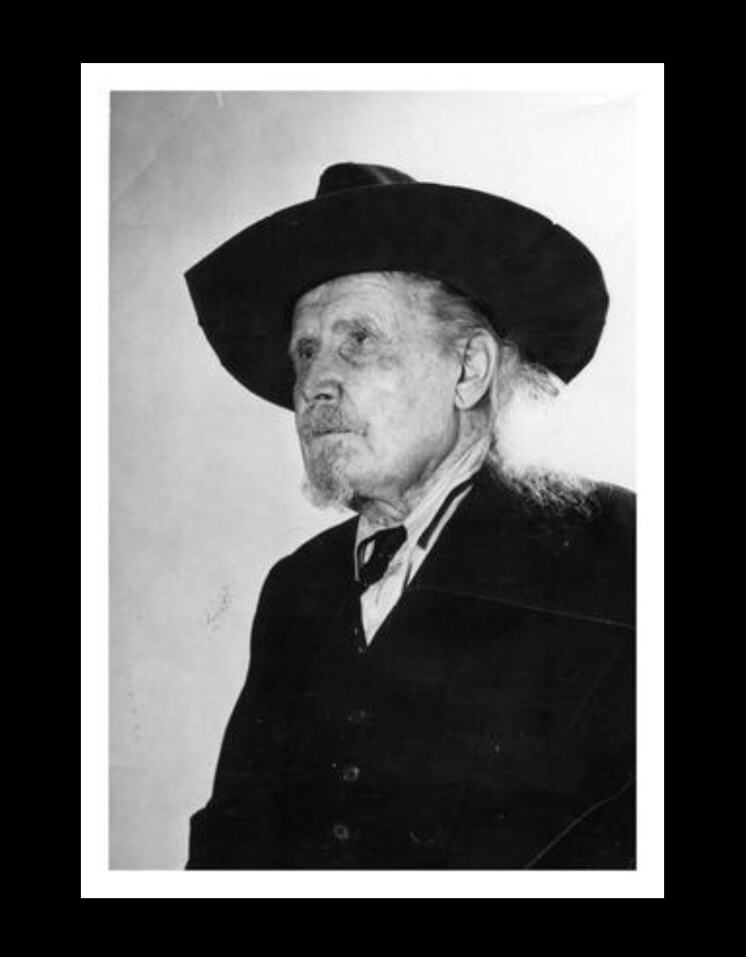
The man using the name J. Frank Dalton (take from those names what you will!) living in Lawton during 1948 and at the age of 100 claimed to actually be Jesse James. There is no actual record of a J. Frank Dalton.

(This picture from Wikipedia and I very briefly read the bio there)

There is a photographic aging picture without any digital change, just morphed, definitely looks like a much older Jesse James that's for sure. Truth? Or Fiction? You be the judge.

Kat xo

P.S. Unfortunately could not take any pics within the museum. The price to enter was a bit much for what it was but very, very interesting to say the least.

https://adventuresofjacknkat.com/2014/06/16/st-joseph-missouri/

https://en.m.wikipedia.org/wiki/J._Frank_Dalton


“Molly” Brown House

Whilst in Denver for a day I took it upon myself to see what we could find to visit. Something new and different as we like to do when passing through different places.

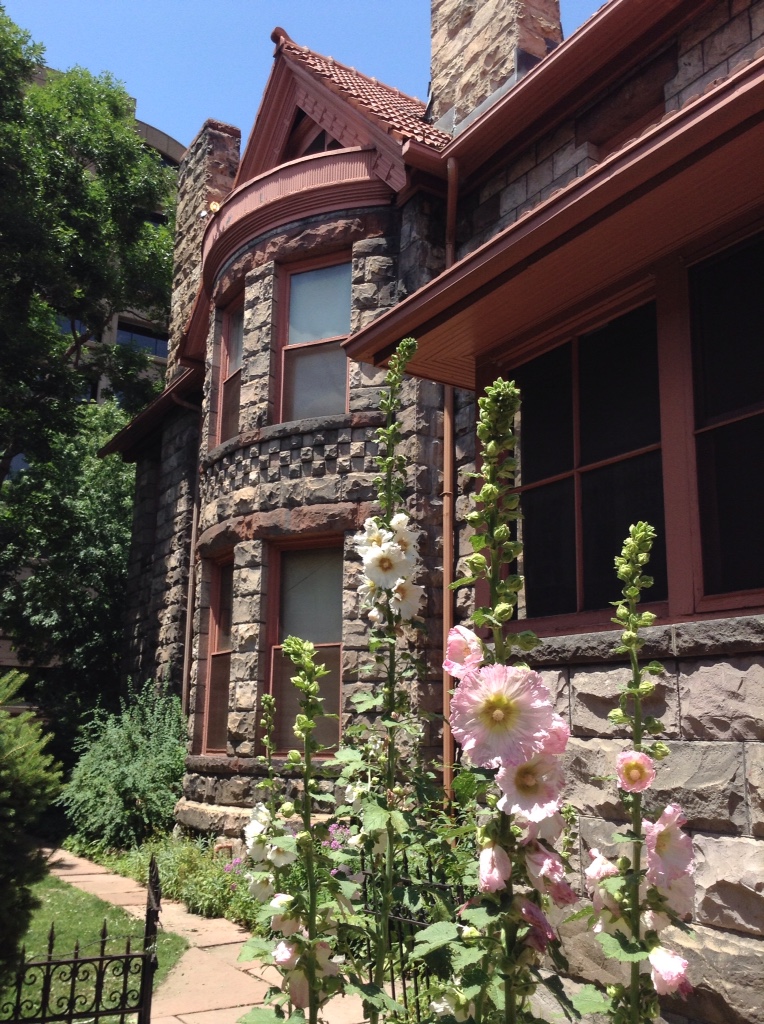
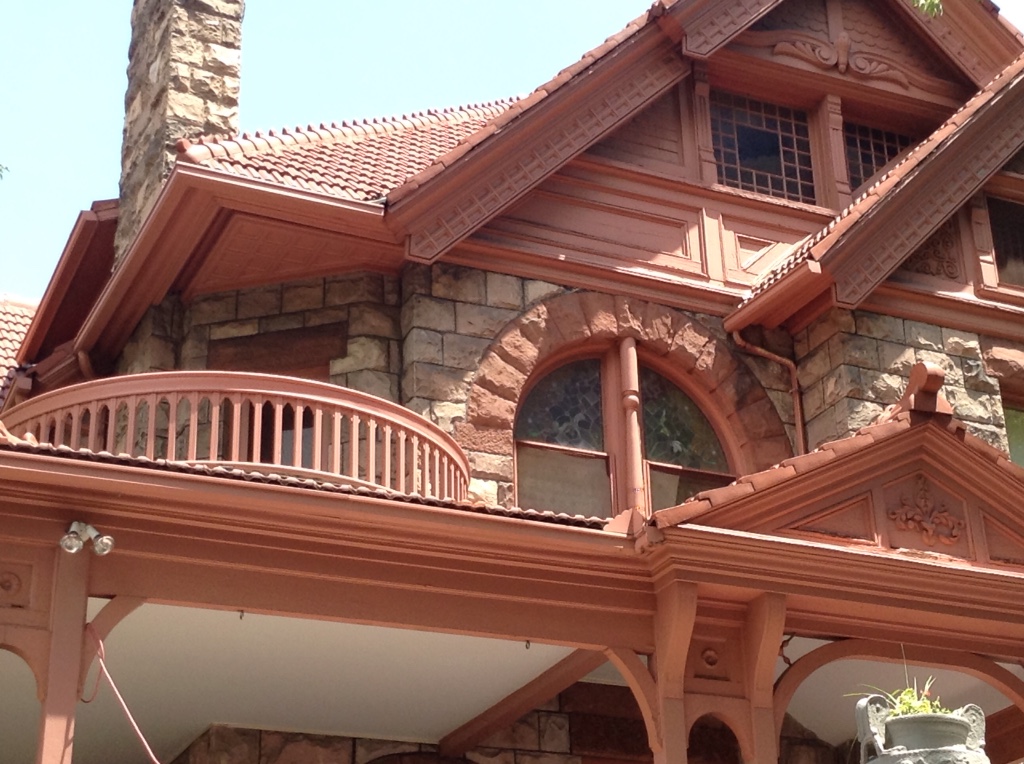
This time I chose The Molly Brown House. A 120year old Victorian home on Pennsylvania Street, a stones throw from the Capitol.

Do you remember your Titanic history or the movie at the very least?

The Unsinkable Molly Brown, she became better known as, after she passed away. Margaret “Molly” Brown was so much more when you learn about her life.


If you go by what the movie says and you look at how she came to be rich, indeed “Molly” was of new money. (Not inherited family money).

She was from very humble beginnings of Irish immigrants. Working in a cigar making factory at age 18, her brother who had been mining in Leadville, CO sent her a train ticket and basically told her to get on it, come out and marry someone rich! At age 19, courted by one of the least wealthy men out there Margaret married J J Brown.

Luck however was soon to change! Whilst mining for silver, the finding of a large vein of gold and some copper took them from middle to high class overnight.

Now let's skip back to the Titanic bit. When we entered the back part of he house at the start of the tour, the whole “Molly” Brown and the Titanic was visited.

She had boarded the Titanic, on JJ's advice, to go back to the UK as a grandson had fallen ill.

Whilst on the White Star Line's impressive ship when the iceberg incident occurred, Margaret was quick to get on deck to find out what was going on. Staff advised her to go back to her cabin and that everything was okay.

Knowing what catastrophes could happen with mining, the quick thinking Margaret put on about 12 layers of clothing, shoved money into her pockets and disregarding the advice to stay in her state room, went to help others.

Of course by this time it was evident the ship was going down. “Molly” using her 5 different languages, assisted many immigrants with finding their way out and getting them into life boats. She almost didn't make it off until someone man-handled her, threw her into the life raft and had it lowered down.

Still thinking of others, Molly gave some of her clothing to other women in the boat who wore only night dresses and ordered them to row to keep warm.

Once back on dry land she was instrumental in helping immigrants get word back to their relatives that they had survived. Helped get them reestablished and assisted others with insurance claims.

…..skip forward or in reverse. Margaret “Molly” Brown even went up against the Rockefeller's in gaining rights for miners. She was influential in socialist reform for Denver – schooling, public bathrooms, parks etc. Womens rights were also high on the agenda and she loved self education. She would even let her servants sit in on her tutorials. She ran for senate 3 times, drove an ambulance for the Red Cross during World War I and helped found the juvenile court system (damn good thing as it meant 4 year olds for stealing could be kept separate from murderous criminals).

Despite rumours that Molly was not allowed in society, she had driven most of it and was only barred from one so called societal organisation.


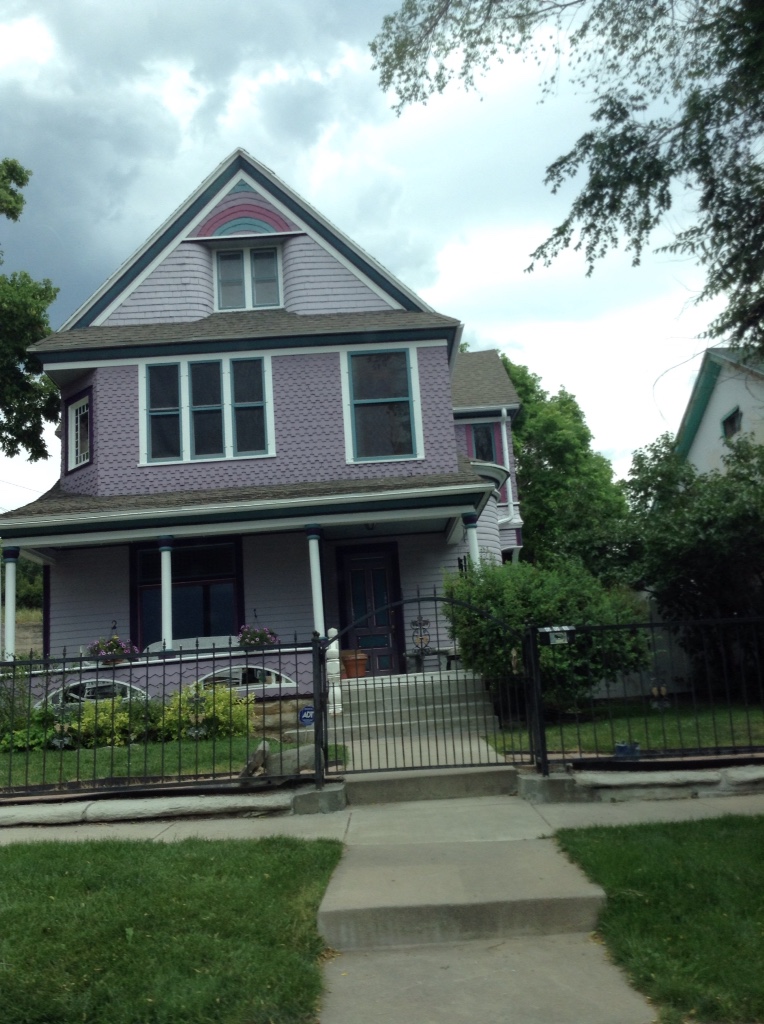
Now let's get back to the house! This home was purchased by the Browns in 1894. Architecturally designed by William A Lang, it was purchased from Isaac and Mary Large for $30,000.

Photo: down left hand side of house from the back.


Skip forward again and after years of changes, made into a dormitory, falling in to disrepair and almost being knocked down for a car park! The house was saved by a group of historians and bought for a mere $5,000.

The house over the time has been lovingly restored – to my surprise and I guess to a historians absolute dream – Margaret had photographed and documented every detail of every room, and they have been able to restore much of it back to the original ceilings, colours, tapestries, crown mouldings etc.

Some pieces are original to the home but most are the same style that would have been used then.

Photo: restoration of tile work on the front verandah entrance.


So coming in from the back verandah area, the first room was JJs office that flows into a gorgeous library and music room. Beautiful lace curtains over a 3 bay window, ornately trimmed in timbers throughout. The bookshelves are beautiful with glass front covers. Items from overseas trips, a piano and reading chairs for this room.

Through to the right we entered the dining hall with its ornate artistic conservatory ceilings with palm trees in pinks and green edging (uncovered during restoration). The furniture is very ornate carved timber. Painted and textured dado walls.

Another gorgeous dress in layered lace fabrics from soft shell colours through to pink's and burgundy. A 1910 Edwardian dinner dress.

The Belgium tapestry was a huge piece that she had cut in half and mirrored and framed split on the wall to allow for a beautiful cabinet to display her glassware.

Into the left, the main entrance hall is richly embellished with anaglypta paper – looks like pressed tin – on the walls and the ceiling. It was painted gold to pay homage to their coming to money. The entrance has the only original light fixture in the house.

There is Turkish influence in the front room from her visits to Turkey. The original statues, retrieved from antique stores, held trays so if no one was home they could leave a calling card. I like that old style notion.

Besides the home being one of the first to have electricity, central heating and plumbing. They also had the first phone.

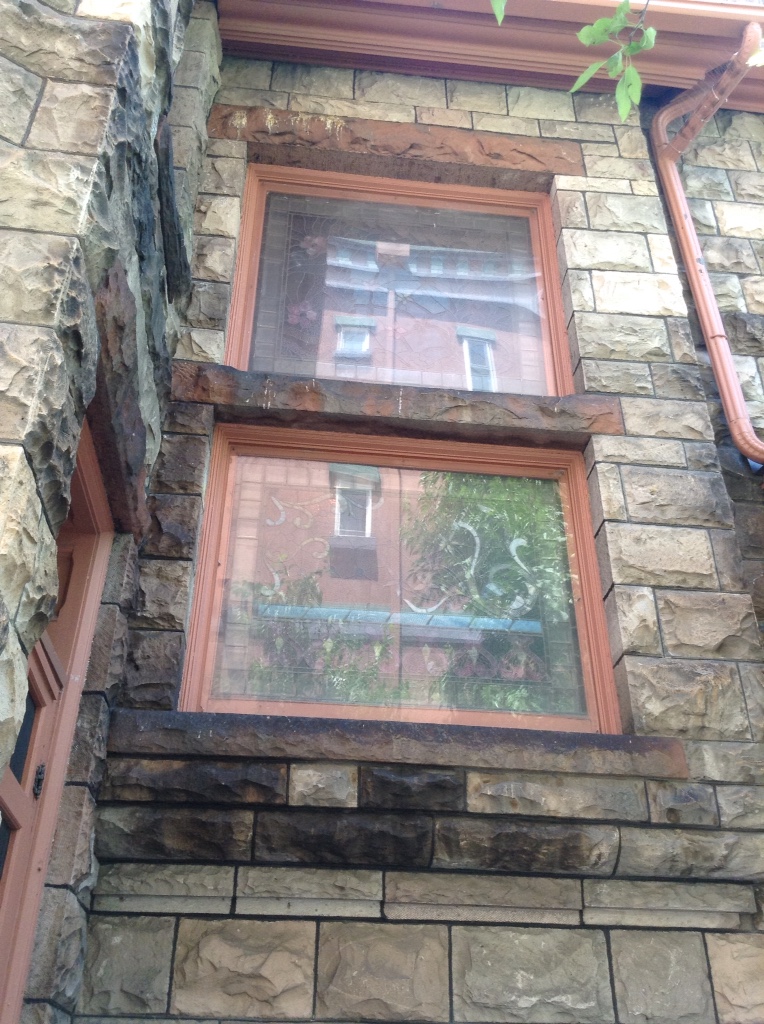
Photo: side window, can't see the stained glass properly, this is in the stairway first floor to second.


The formal parlour held the most expensive items where visitors were entertained, if you were 14years old you could enter the room and would play piano or recite poetry to show how well rounded you were and your suitability for suitors.

The ornate timber railing leading to the upstairs is all original to the house.

The second floor and sunroom are again all lined in the gold painted paper. Beautiful stained glass windows held a view to the Rocky Mountains no longer seen due to the buildings in the city now. There was also a small balcony that Margaret would have a band play for her visitors.

Photo: the arch windows were the sitting room and the small balcony to the left is where the band would play.


Servants quarters were on the third floor and a room used for women's suffrage gatherings etc. not open to the public as yet.

The first bedroom was the daughters, the bed is original to the home.

The second green bedroom was Margarets. Across the hall was JJs bedroom.

The other room to the right was her parents room and the last room was the son's bedroom.

The bathroom is still all original.

Down the servants stairs, very narrow and not much wider than my shoulders. Servants, like children in that era, should be seen not heard. If you went up you carried stuff up and if coming down you would bring down laundry or tea trays etc.

There was no railing and therefore they were narrow to use your elbows to stabilise yourself.

An 1889 annunciation exists in the kitchen, the bell would go, an arrow would point up to indicate which room required a servant.

The kitchen has been done as a 1910 kitchen, the butlers pantry just off the kitchen also has a door into the dining room. Beautiful cabinets exist in the butlers pantry and also a hidden canned and appliance pantry like those of today that are now coming in to many homes.


That my friends concludes the hurried note taking of The Molly Brown House visit. My mind or imagination goes wild when in these places, picturing the dress, entertaining visitors, the gatherings with servants for tutorials, Christmas but I'm sure it wasn't all roses! 😉

Kat xo

P.S. We had brunch at City Bakery and Cafe beforehand, divine toasted panini sandwiches and cibbati bread that we were given for first time visit. Fabulous food, coffee and baked goods, worth a visit, Sandy was very friendly!


https://en.m.wikipedia.org/wiki/Molly_Brown_House

http://www.mollybrown.org

http://www.citybakerydenver.com
 

Rough Riders Museum and through Trinidad

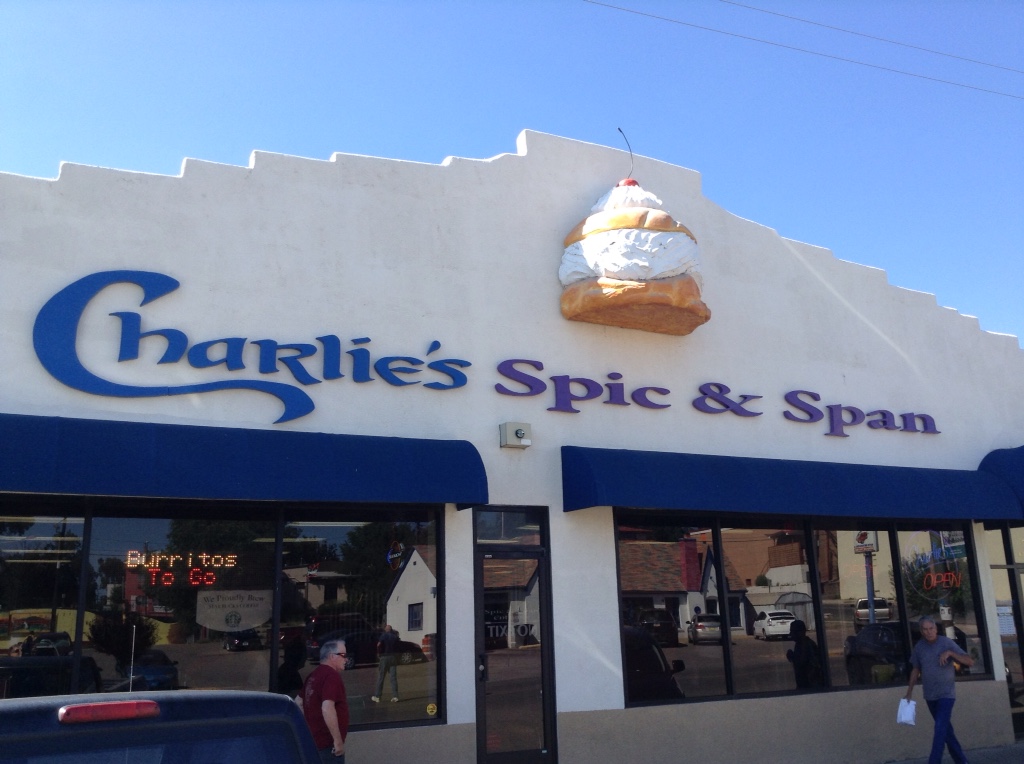
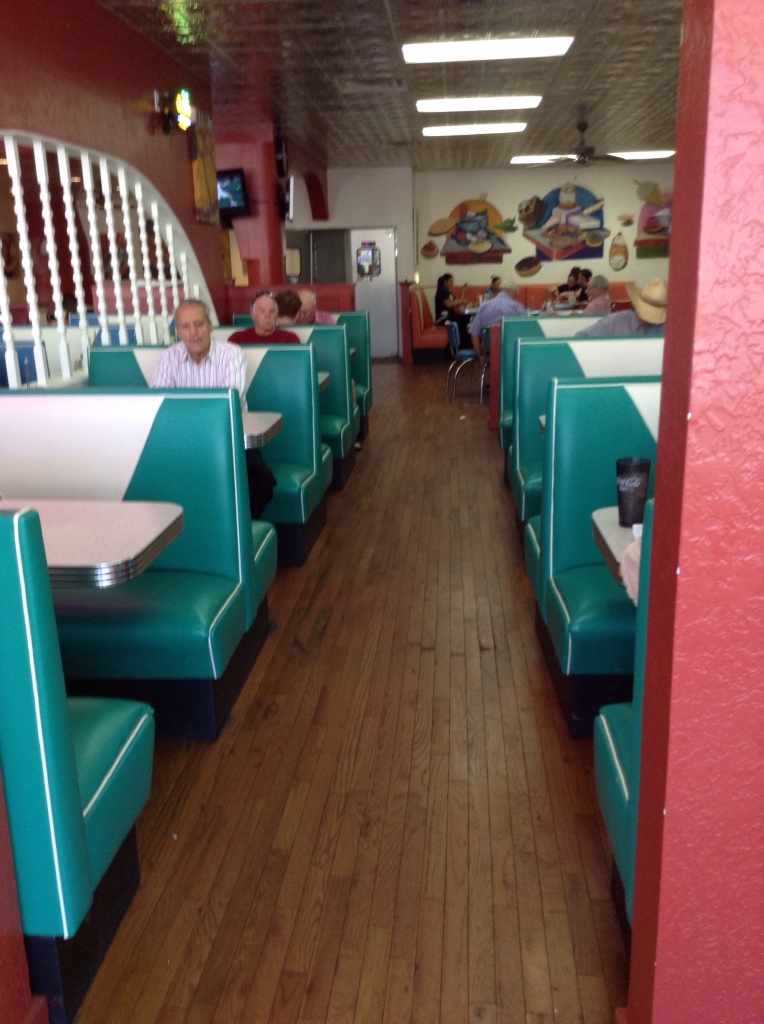
What a start to the day with a trip to Charlie's Spic & Span, Bakery and Cafe on Douglas Ave. Famous for their cream puffs!! But all their food is good.


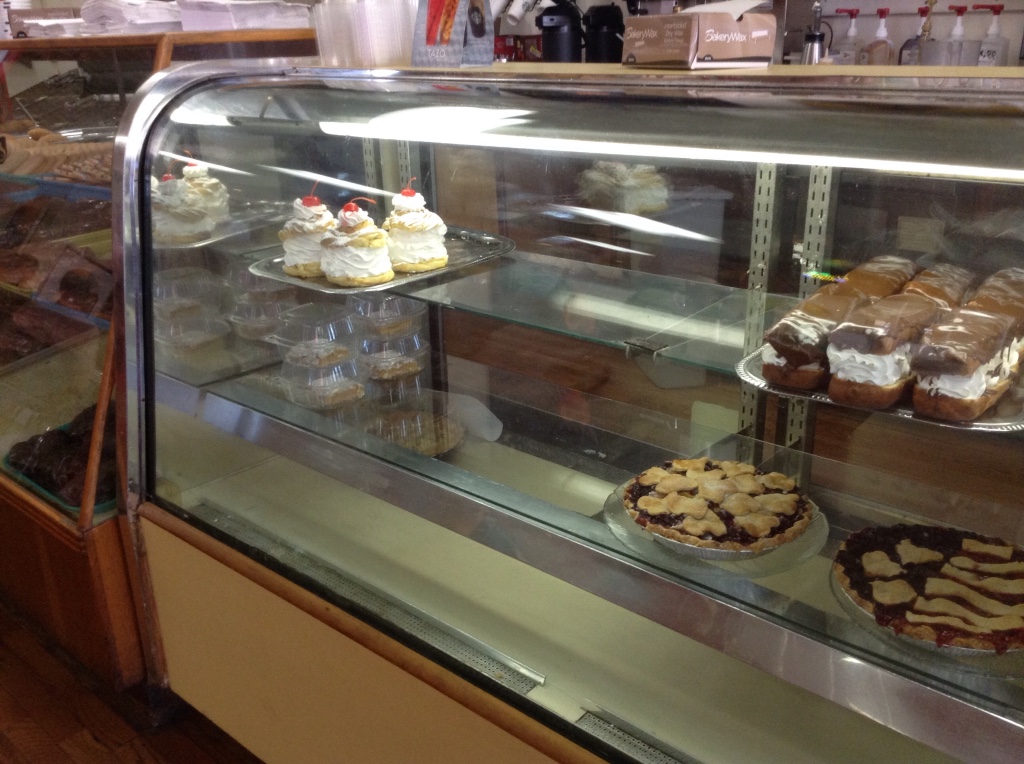
The pastry cabinet was so inviting and I thought when we left the hotel I might over indulge in a cream puff. Ahhh, no, these things are bigger than your fist! And the chocolate eclair you would need four people to get through 1!


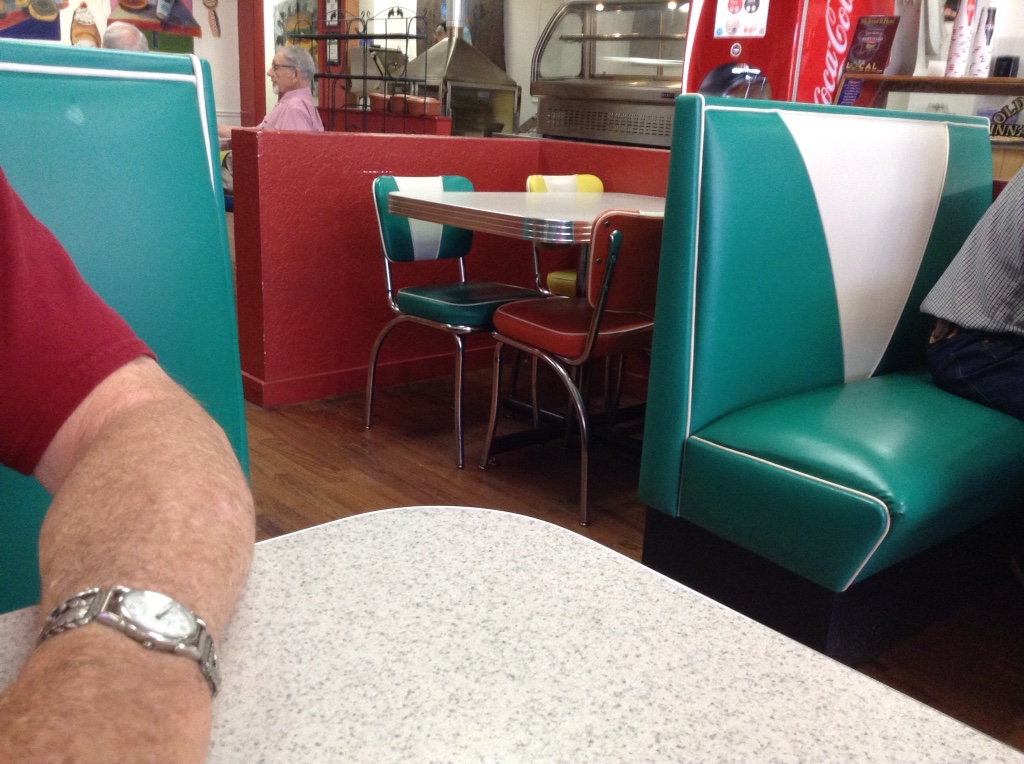
Many other biscuits and donuts, drinks, coffee (they serve Starbucks coffee in here) and of course a great selection of Mexican meals. Serving all day, Charlie's has been operating since 1960 and is decorated in all its 50's diner style.


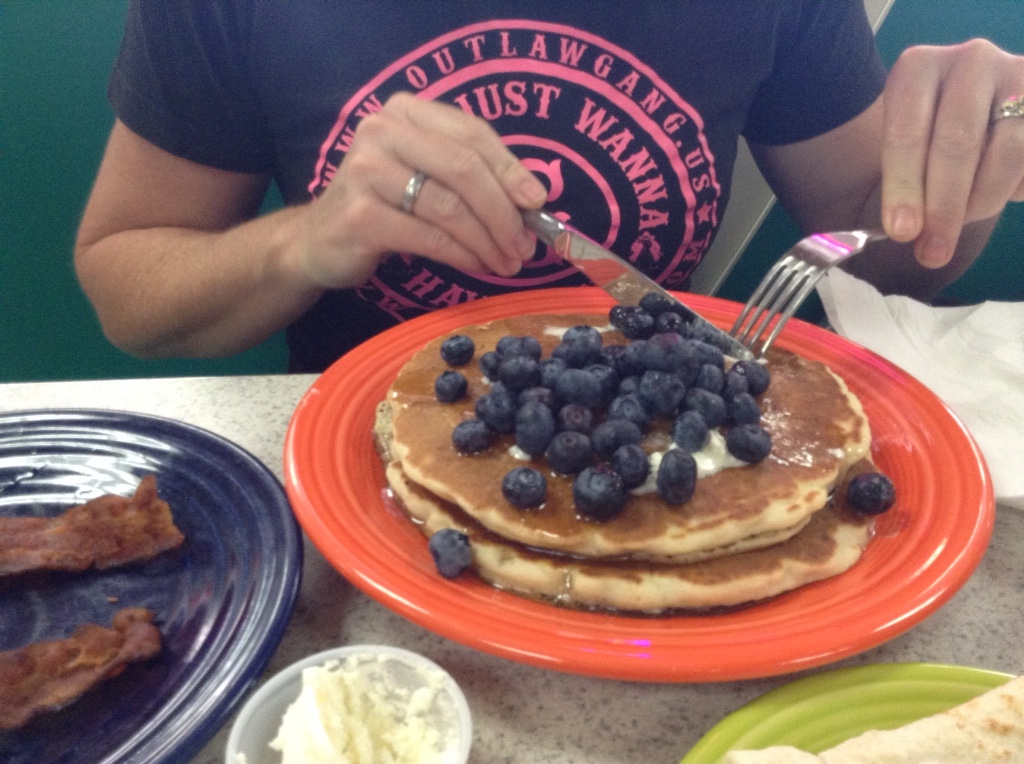
I'll just have a short stack she says, holy moly!


…..and then there were more!


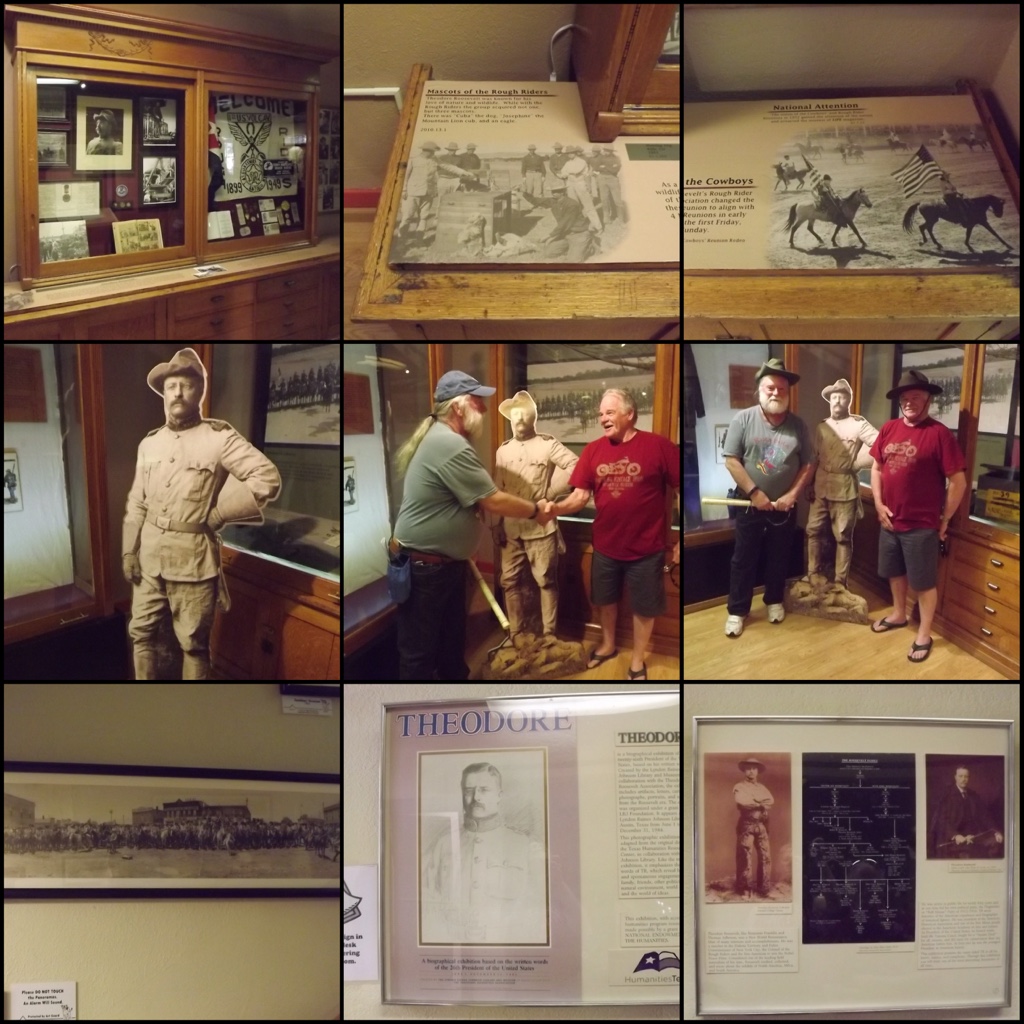
Onto the Rough Riders Museum, finally we get there after many attempts in previous years.


We met a gentleman named Brian who says he was the great, great, great grandson of Teddy Roosevelt. He grew up on Long Island not far from Theodore Roosevelt's house. What a character he was!


The museum is small but packed with information about the Rough Riders, their reunions and the life of Theodore Roosevelt. There are other items pertaining to the Harvey Houses, the railway era, the churches, west and east Las Vegas (when it was two towns separated by the Guadallupe River, and general life in New Mexico.

There are some 800 historical buildings and homes in this little town of Las Vegas, NM……not so little after all!


And so it's time to continue North.

We made stop for lunch and then a short stop in Trinidad, CO. There are some gorgeous buildings here as well.


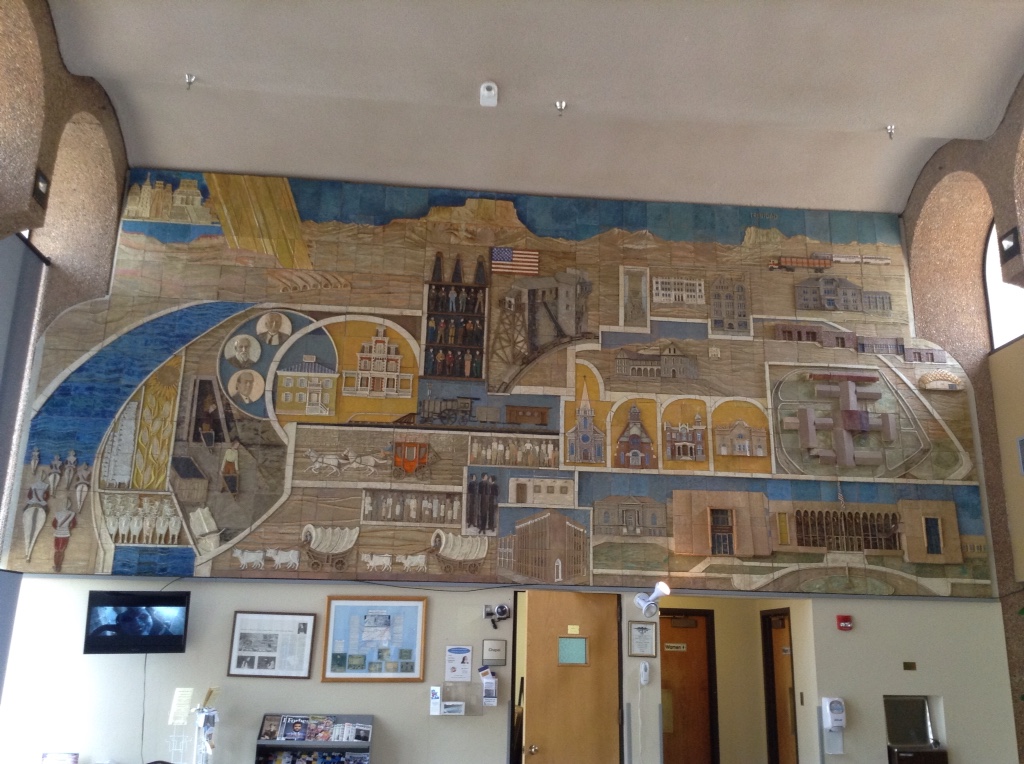
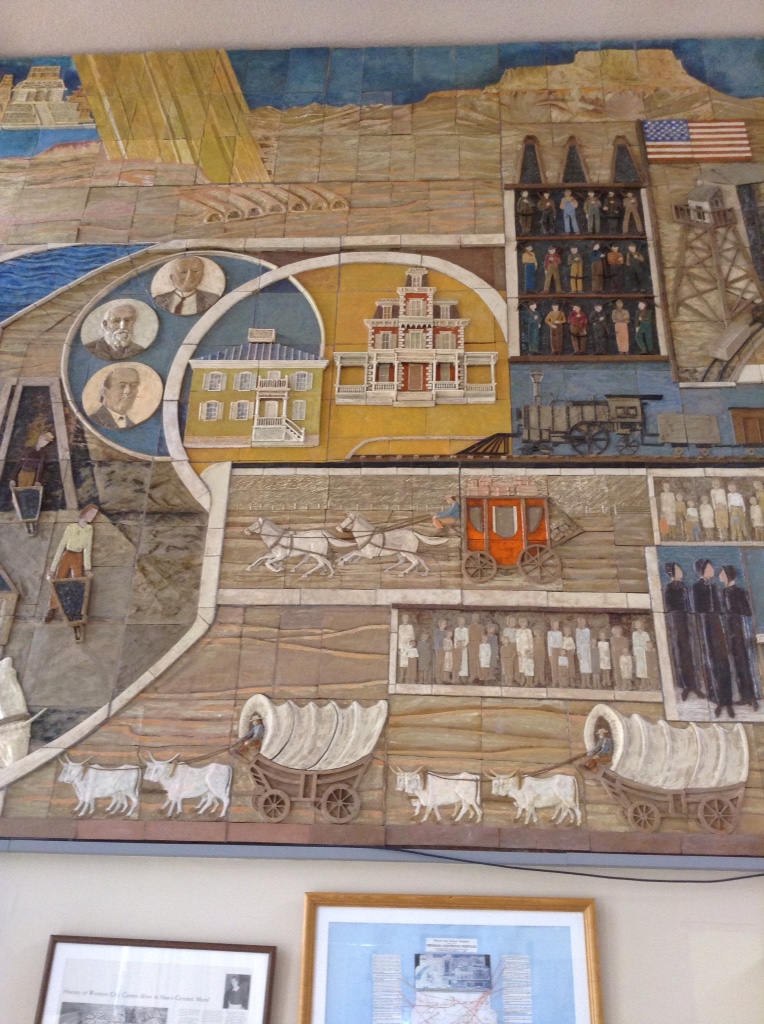
The Museum was closed but we did duck into the Mt San Rafael hospital lobby and checked out the beautiful 28' X 12' ceramic mural depicting Trinidad life and history. Designed and made by Sister Augusta Zimmer, S.C.


Continuing on we will call in to the Cowboy Hotel (aka Aspen Filly and Aspen Wrangler) for a couple of nights before all of us head in to Fort Collins and Nunn for the Colorado State Championship.

See you at Pawnee Station!

Kat xo


Las Vegas, NM

Said our final goodbyes to Rooster and Trooper (aka Constable Nelson) this morning with a hearty breakfast at Lisa's Truck Centre in Moriarty.

We are on the road to Las Vegas, NM where we will spend the night and visit the Rough Riders Museum tomorrow. (It's always closed on a Monday when we travel through)

We did a quick trip up the road through Lamey but like most, the history and Railroad Museum are closed today.


On through Eldorado and Pecos with much of the housing around here of adobe structure. They are nestled into the surrounding environment and at times it is hard to pick out the houses until you concentrate and find them, realising their is a ton of them secreted away.


Going into Pecos we did actually see this roadside marker for the 'Gettysburg of the West'. That was worth the side trip off the highway just to see that and learn something new.

These are all small towns so back onto the I25 we went, heading North.

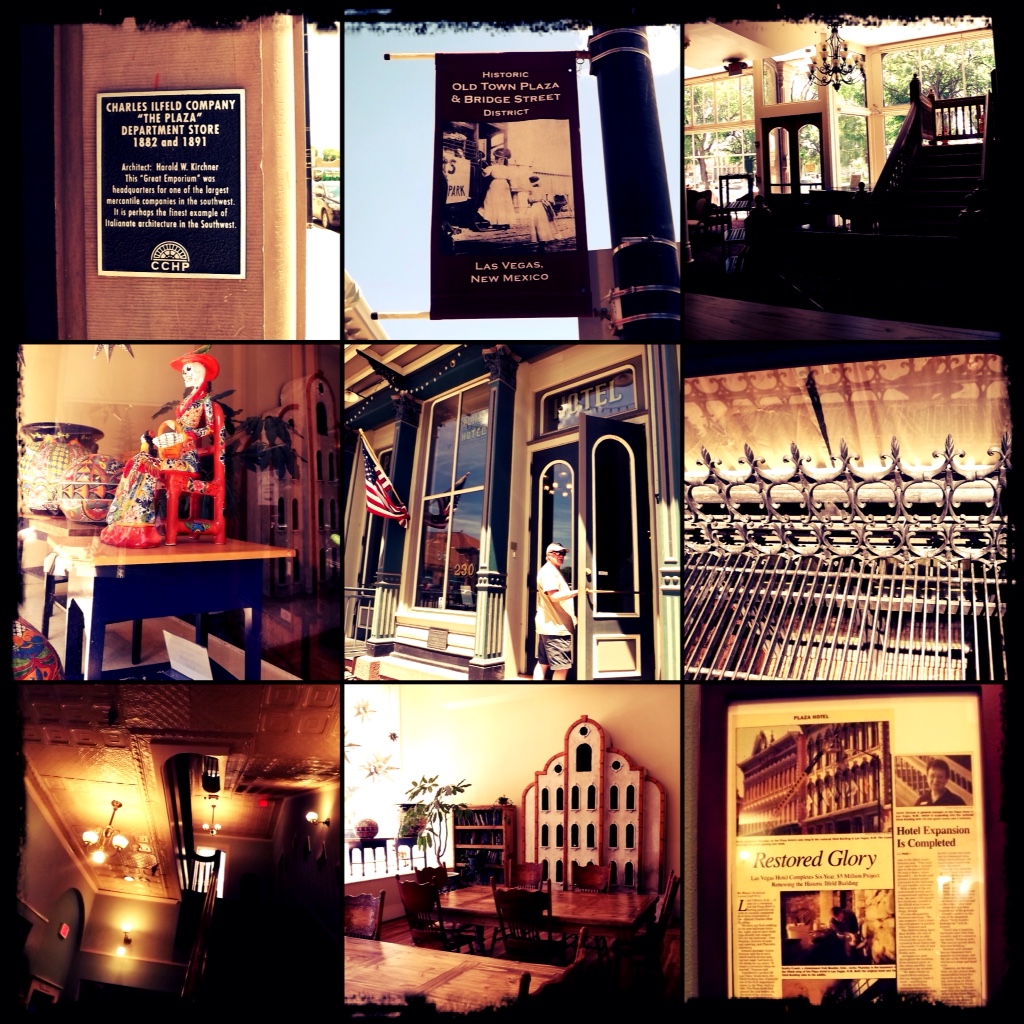
Into Las Vegas we arrived and wandered around the old town plaza. We actually went into the Plaza Hotel this time for a look. They have been renovating and are still working on it. Some of the press tinned ceilings are still there. It is beautiful and they have taken advantage of some of the space for housing beautiful New Mexico artworks.


Also this old travelling trunk was on display and the original safe from the hotel so beautifully ornate in its own right.


Some of the buildings to the left of the hotel were still being restored when we were here last in 2013 so it was nice to see the square almost completely renovated now.

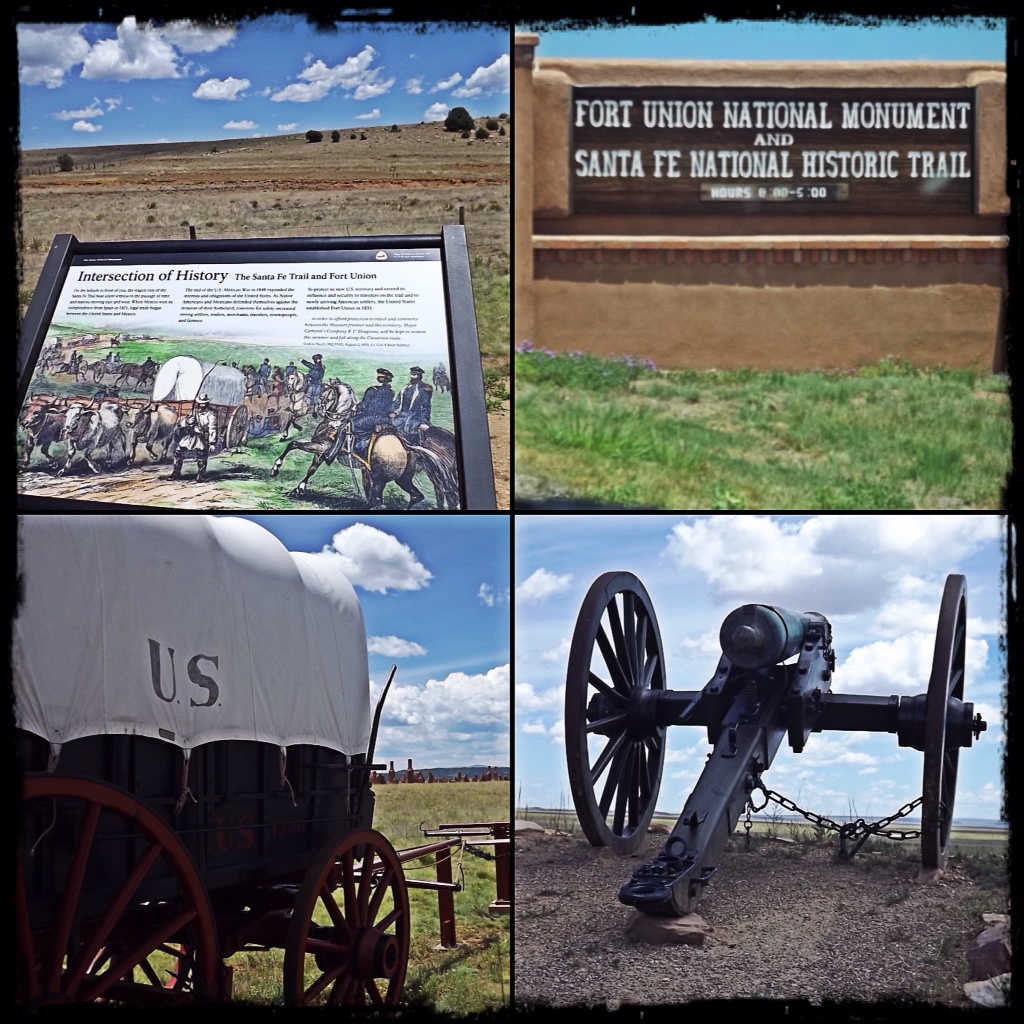
We found a room for the night and headed further North to Watrous, to visit the Fort Union National Monument.

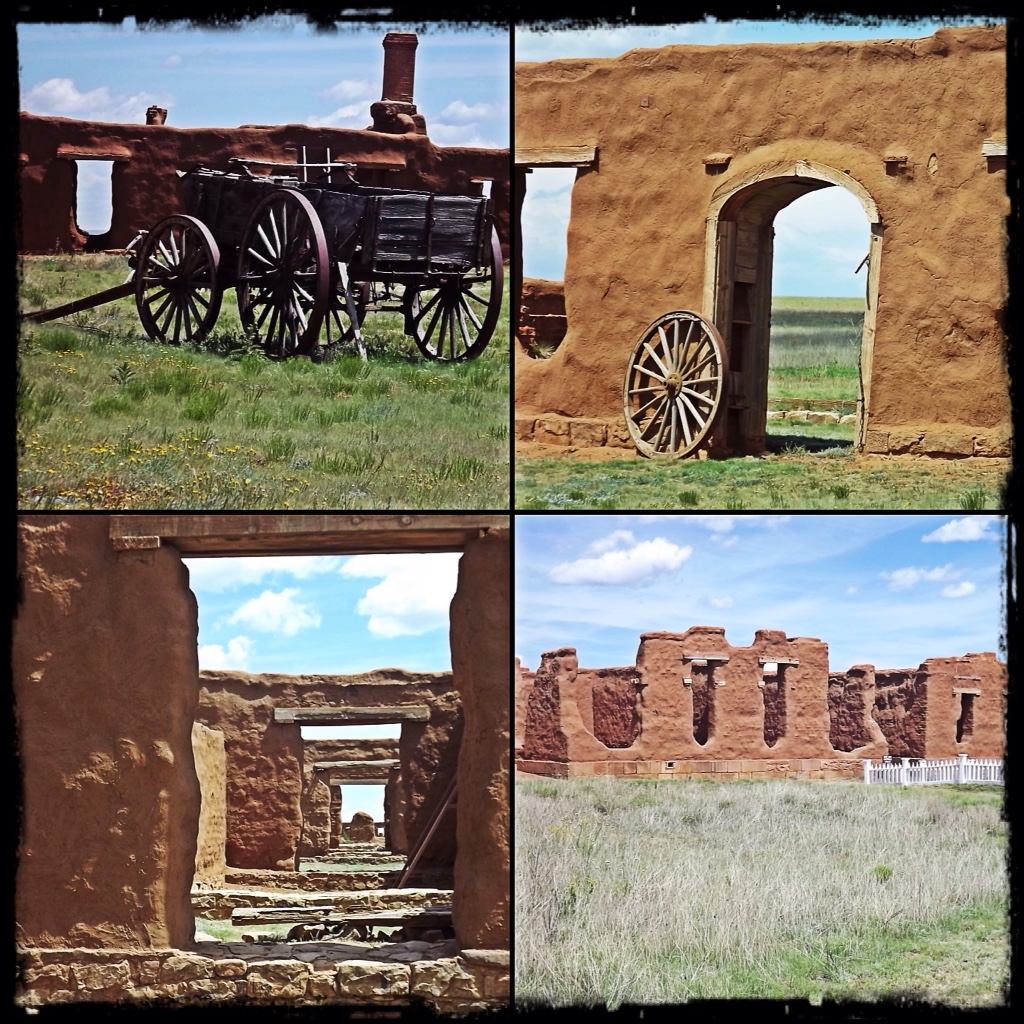
Wow! Fort Union was a military post from 1851 – 1891. It was the largest fort in the southwest frontier. I guess the best way to describe Fort Union is that back in the day it was a huge distribution centre. Not only did they have supplies come in for them but they distributed to other states and smaller fort's from the one area.

The Fort was actually built 3 times in different spots on the same land. The buildings were of Adobe construction but they did have a kiln not too far where they would make some of their bricks. Others for the fire boxes were highly aluminised and were brought in from St Louis, Missouri.


The hospital was run with 2 doctors, a few nurses a few matrons and many untrained civilians. On the video we watched (before doing the 1 mile walk) it was mentioned that in the whole time the fort hospital operated only 17 patients died. I think that's pretty sensational odds for that time period!


The decline of the Fort occurred with the coming of the Atchison, Topeka & Santa Fe Railway.

This leads me to one of the more romantic sides of the west and I explored this before when doing the CASS Bulletin in Australia. With the AT&SF's arrival came the Harvey Houses. An entertaining idea of Fred Harvey's to serve travellers at train stop hotels (1870's to mid 1940's) with style and class unknown in the past to most coach stops.

Briefly, the Harvey girls were all single, dormed together usually above or with or within the establishment, had strict rules and curfews and wore a suitably black and white uniform, although at one point the New Mexico Harvey girls wore the traditional colourful dress of the culture. The Fred Harvey standards were not to be taken lightly. For many of these girls, it was a way out of their struggling existence. Travelling across the country to new places they may never have gotten to see.

Las Vegas was no different. The Castenada was the Harvey House stop opposite the railway depot. Still standing in its faded glory today. Was I disappointed? Hell yes!. Soon remedied with a visit to the Rough Riders Antique store across the road!


The Castenada Hotel is apparently being refurbished by the same guy that did the Winslow Harvey House. A couple of years and it should be open. During The Cowboy Reunion, held every August, it will be open for tours and some functions.

Whilst in the Rough Riders antique store what should I find but some beautiful La Mode Illustree fashion plates framed. Now if I had a sewing room getting set up then these were to die for. At $220 per pic (and there were 4 of them) they had to stay BUT actual Fred Harvey silver ware and memorabilia?! That I could not pass up and managed to acquire a knife and some registration cards. All from the Castenada Hotel. Thank you very much!!


That concludes a busy day in what we always saw as a very small town that we had always just passed through.

Cheers

Kat xo


Guthrie, OK

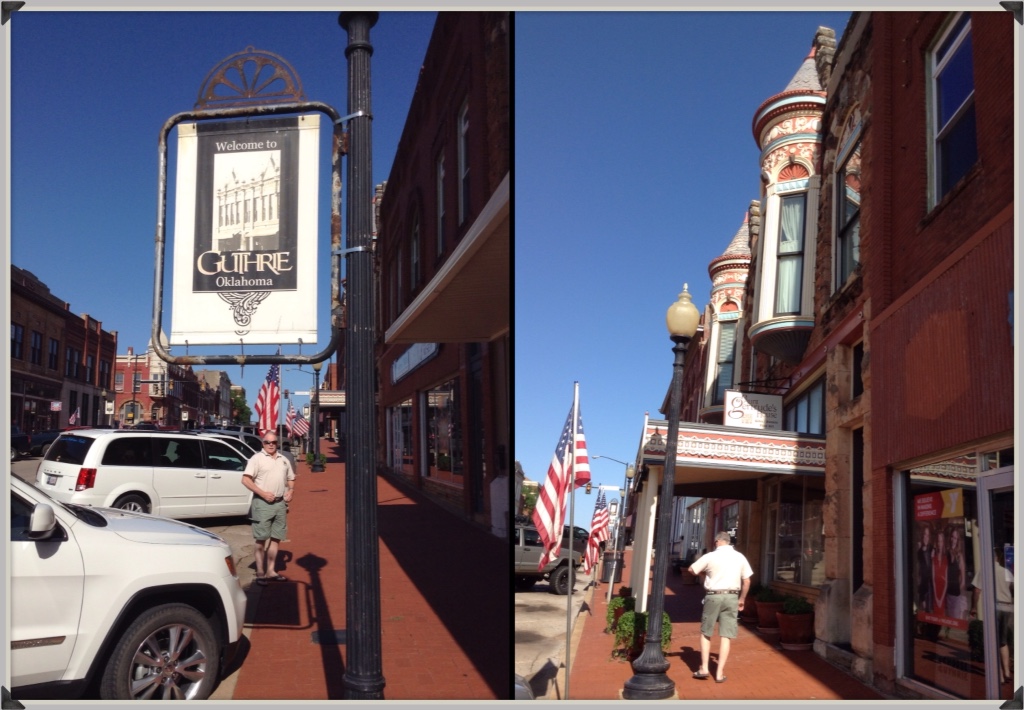
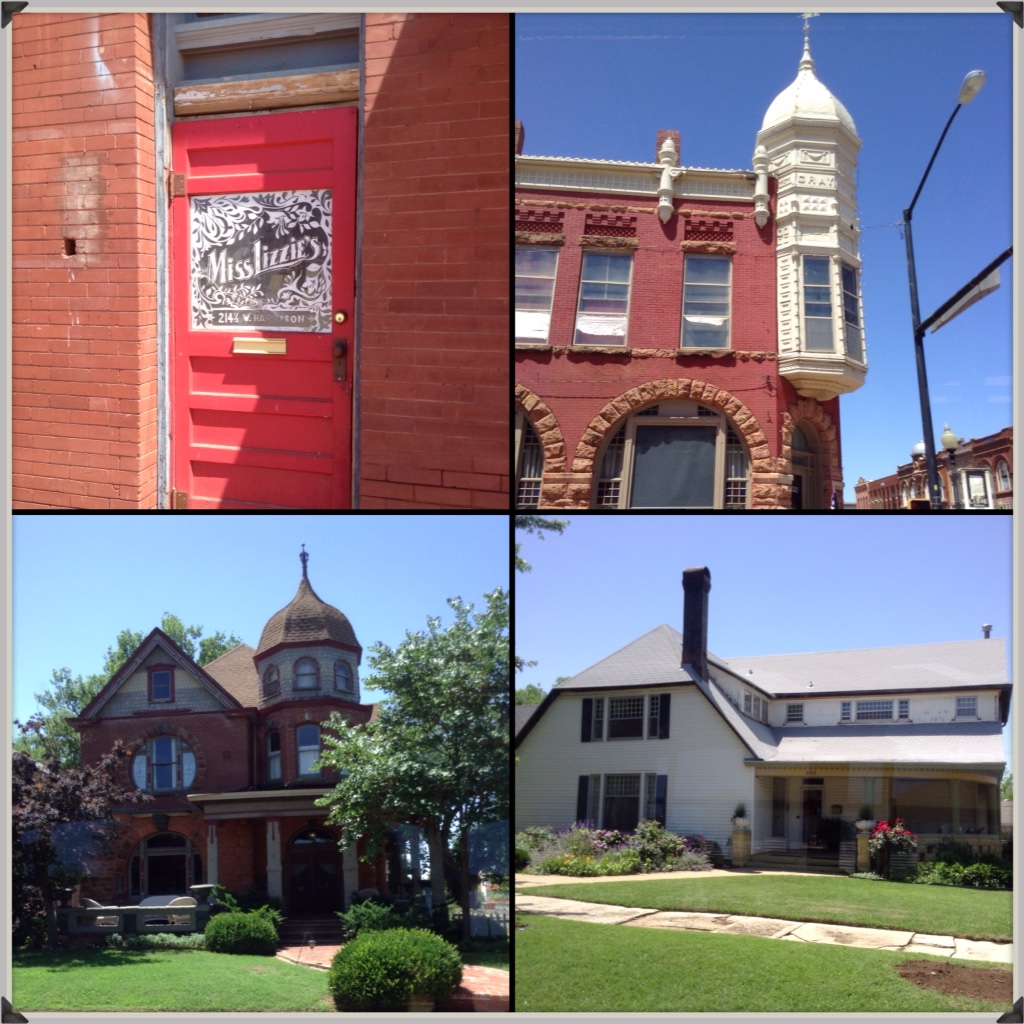
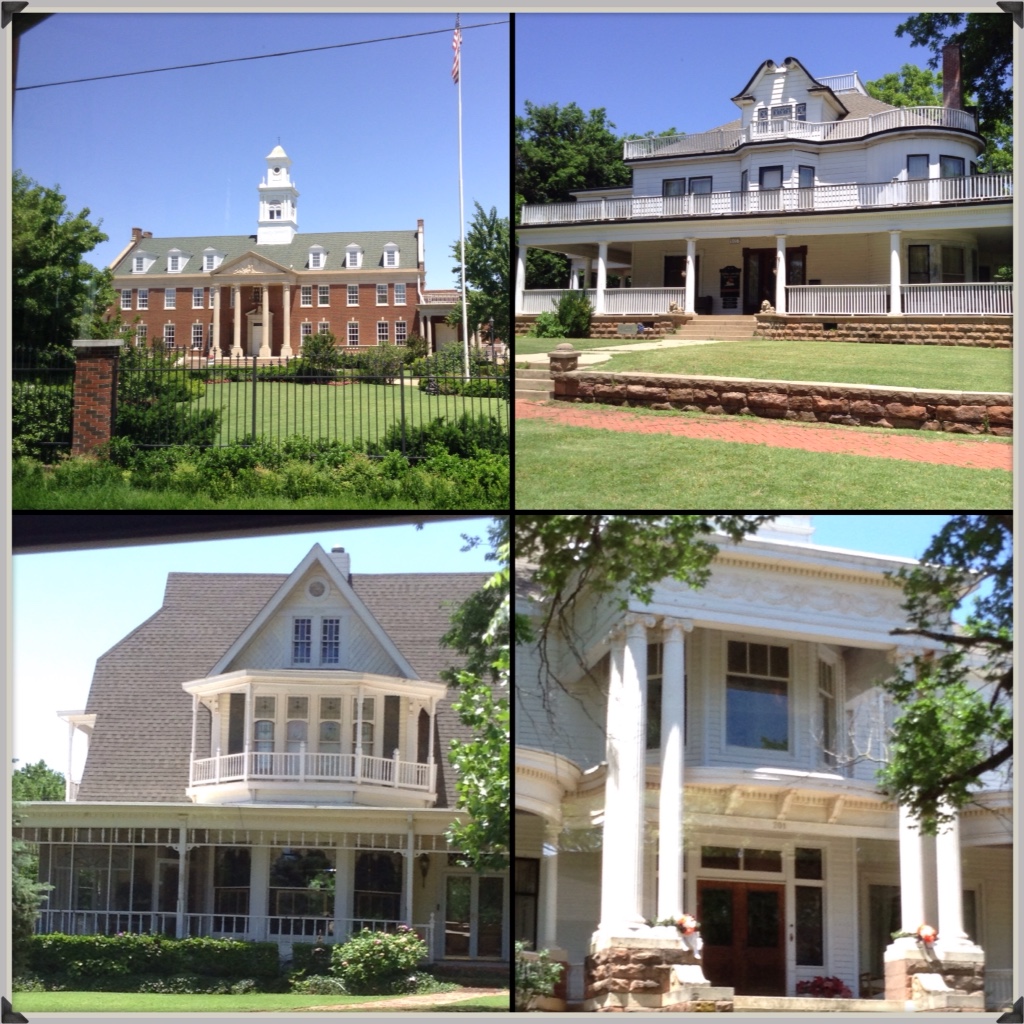
Walk down the main streets of Guthrie, Oklahoma and you are met by some of the most beautiful architecture at every turn.

Guthrie started out with the Land Run on April 22, 1889 where it became an immediate town of some 10,000 people and was the first capital of Oklahoma. Well for a few years it was, until a special election in 1910 named Oklahoma City as the state capital and it was from 1913 as it is today.


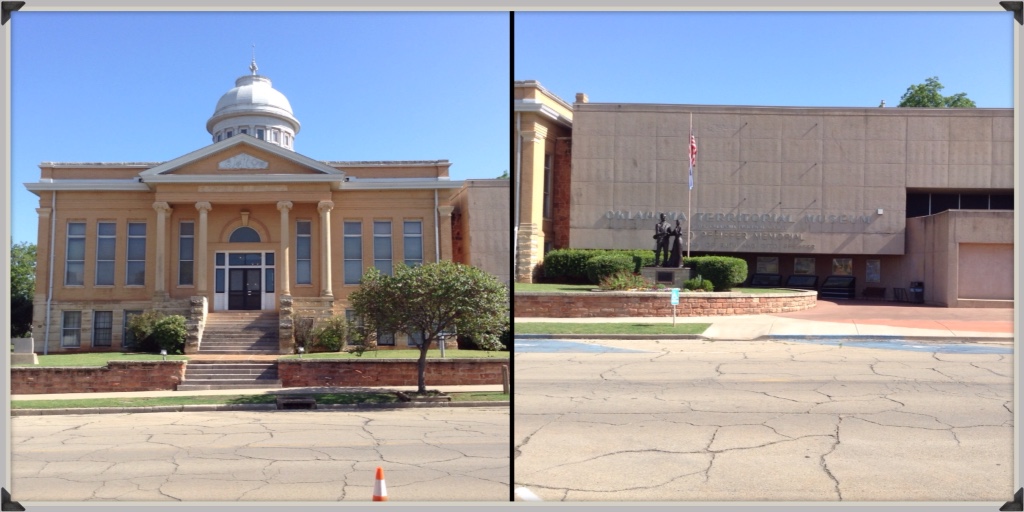
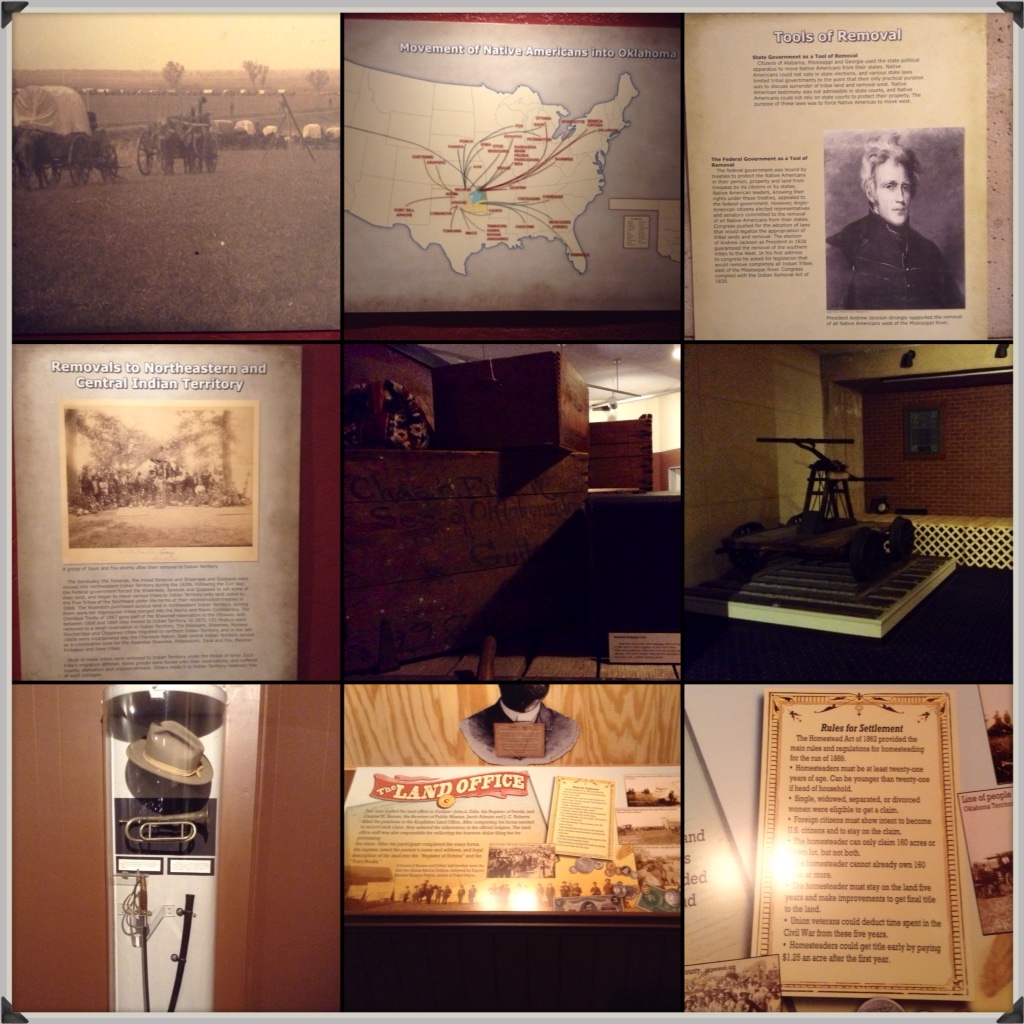
It's still a little early for shops and some Museums, so we headed for the one we knew was open – The Oklahoma Territorial Museum and Carnegie Library.


I had to ask the lady at the Museum, because I've thought about it for some time, what the difference is between Sooners and Boomers? Now I know, she and the Museum explained it well and no it is not just related to the University cheer song.


During and leading up to the Land Run – the 'Sooners' as they became known were the cheeky ones getting to the unassigned lands first. Checking out the ideal plots of land and then hiding out until the whistle blew for the race for the land grab. They would then pop up out of hiding and stake their claim.


The 'Boomers' had spent many years through government and legislation trying to get access to the land and often came in setting up towns only have to the army move in and shift them back to where they came from and burn the towns down.

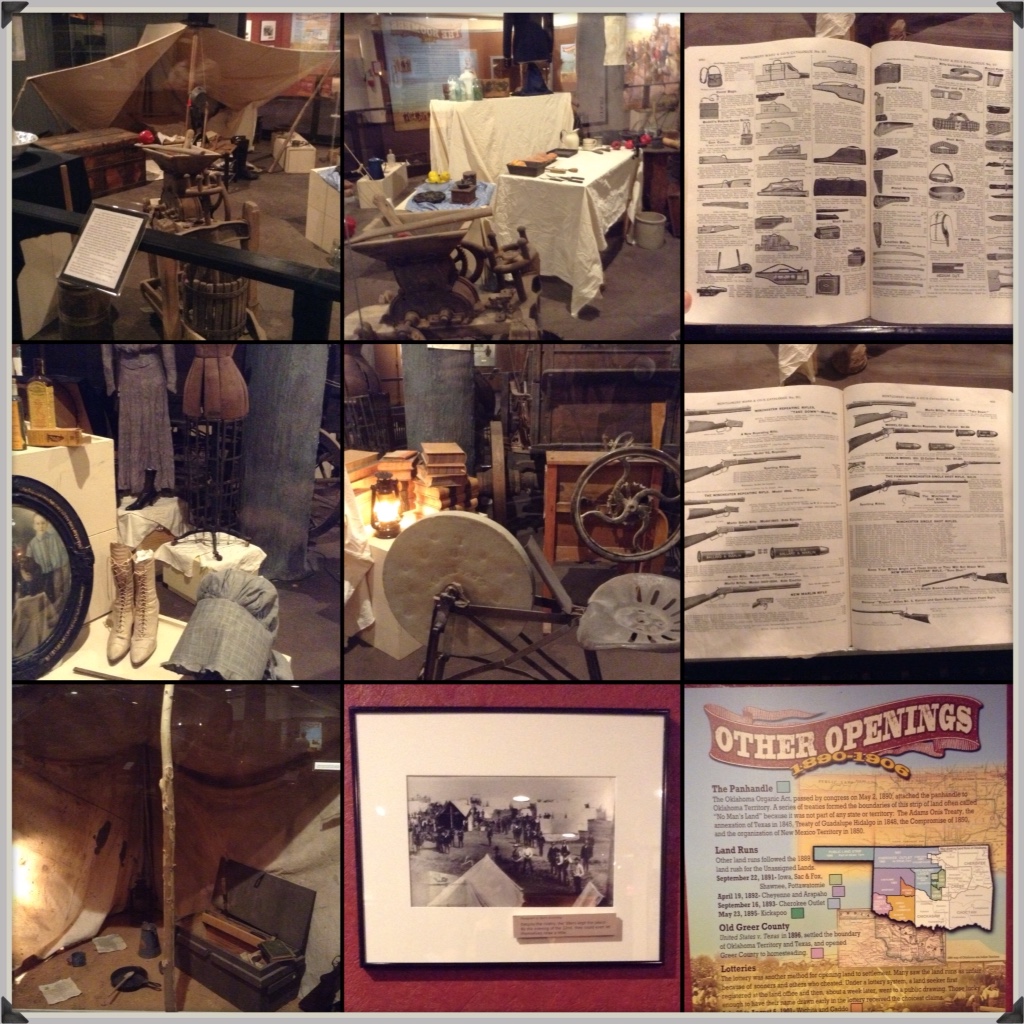
The Museum was really good, fantastic information AND I found a new and interesting character to portray in dress. Loved perusing the Montgomery Ward & Co catalogue!


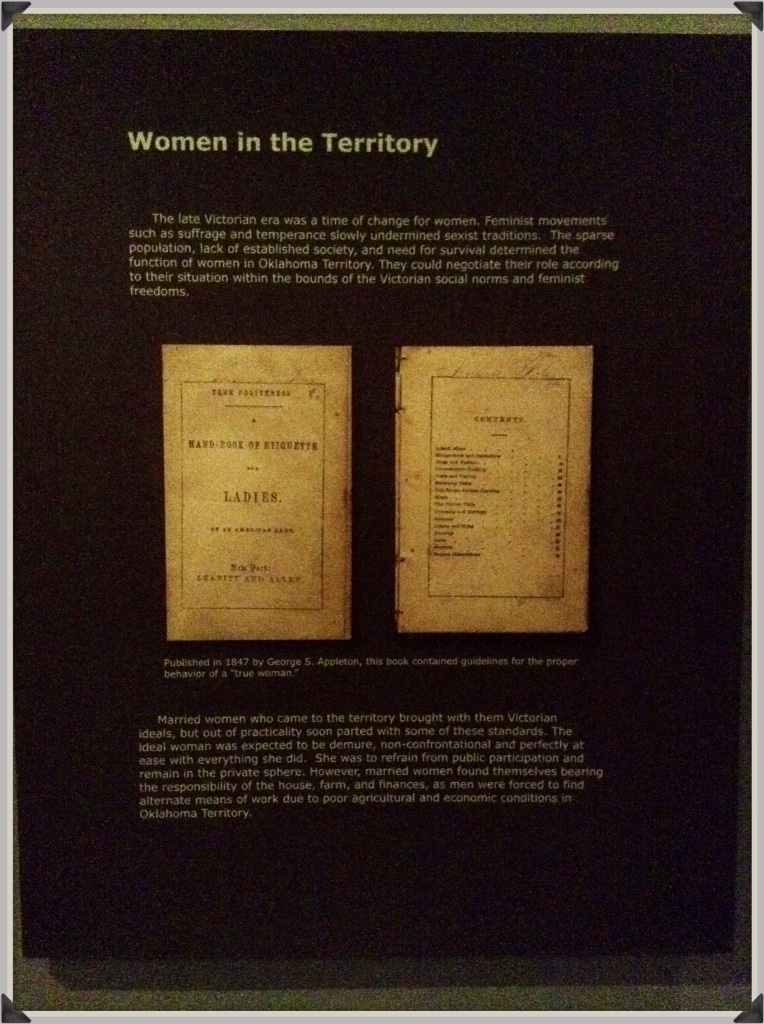
Hee hee hee, would love to get my hands on a copy of this Lady's Etiquette book as well! Might have to research this one. If the drafting books language is anything to go by, this should be hilarious!


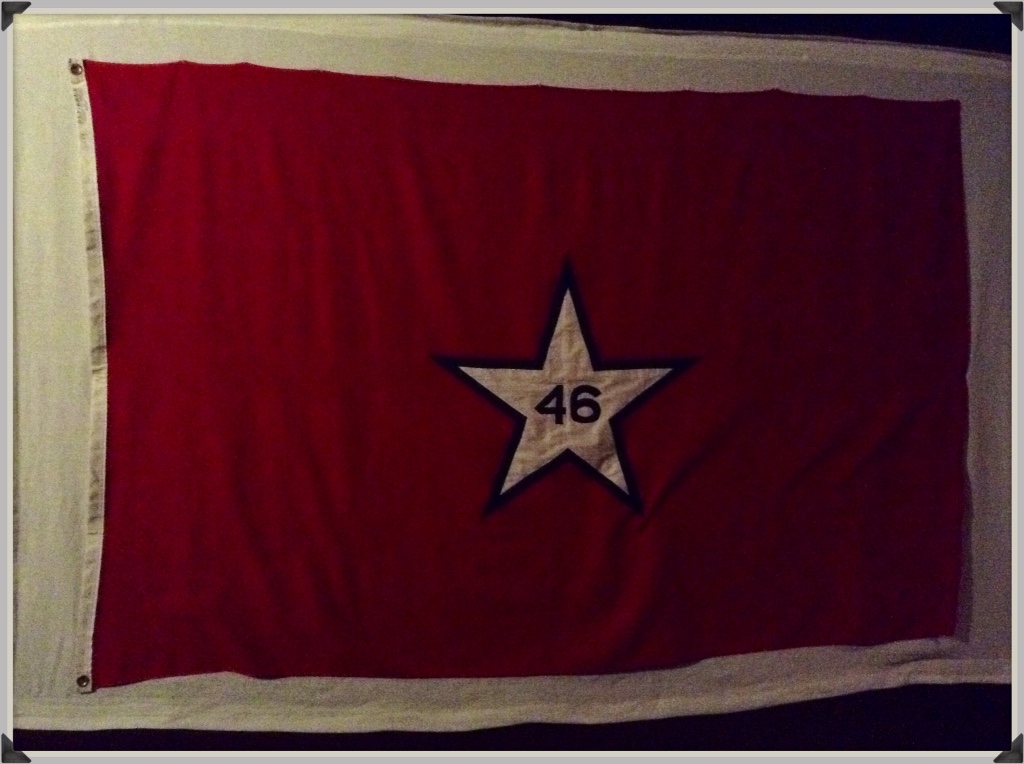
In 1907 Oklahoma became the 46th state of the United States of America and so another star was added to the flag.


The original state flag commemorated Oklahoma as the 46th state, it was later changed because with its mostly red nature it fell out of favour where the colour red was associated with certain war conflicts around the world. 1925 saw the current design take over.


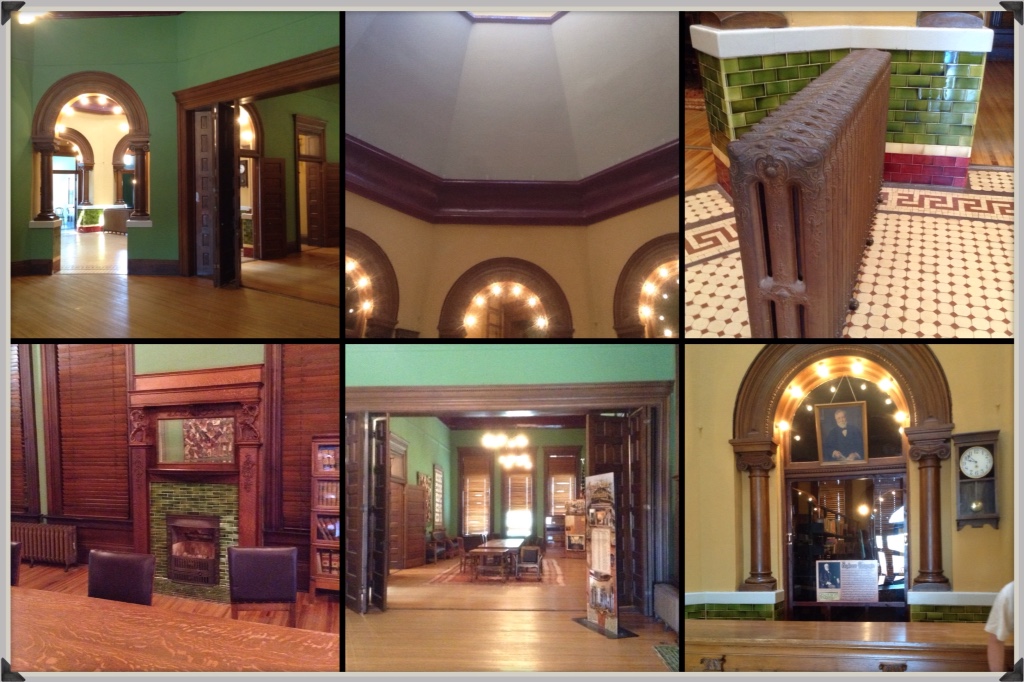
The library is stunning, beautiful timber work, high ceilings, and fireplaces.


A well worth trip to this Museum if you are ever in Guthrie.


Back up the road we walked – Saloons are few and far between these days. Back in the day there were 22 saloons in the main block!! What's an Aussie to do when they can't find a beer at high noon? One girl did offer for us to come in and she'd pour one for us while she was changing light bulbs (officially opening times for the few bars/restaurants is 5pm) we thanked her and declined.

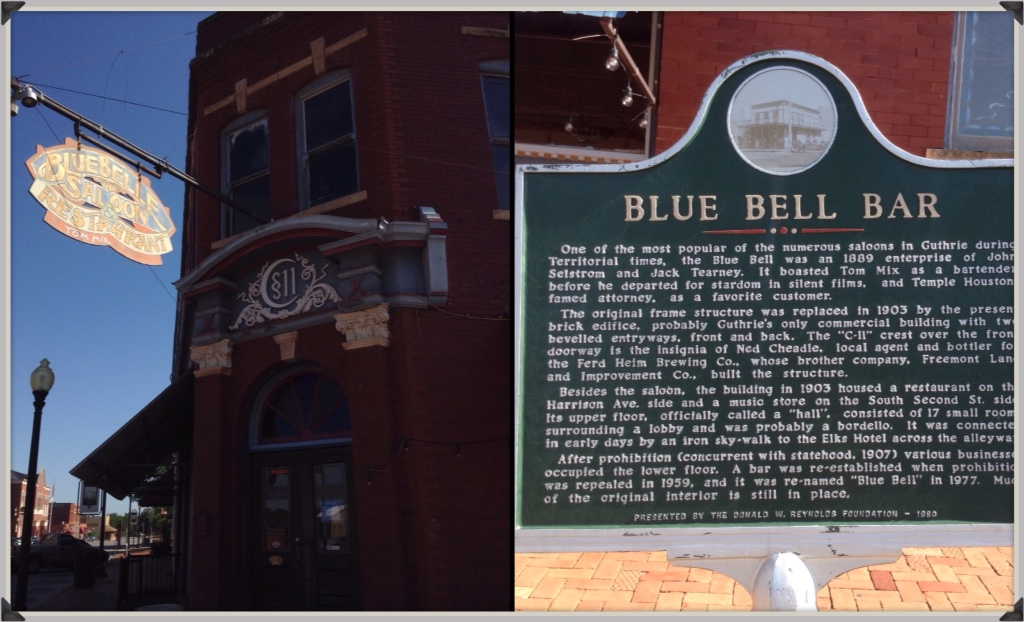
We stepped inside the (once) Blue Bell Saloon and was glad to see the bullet hole ceilings and the gorgeous bar were still intact. However, was only patroned by a few having hamburgers (a cafe restaurant now) and not one beer tap to be seen, no bottles of liquor on shelves no nothing!


The famous western movie star Tom Mix used to bartend here.

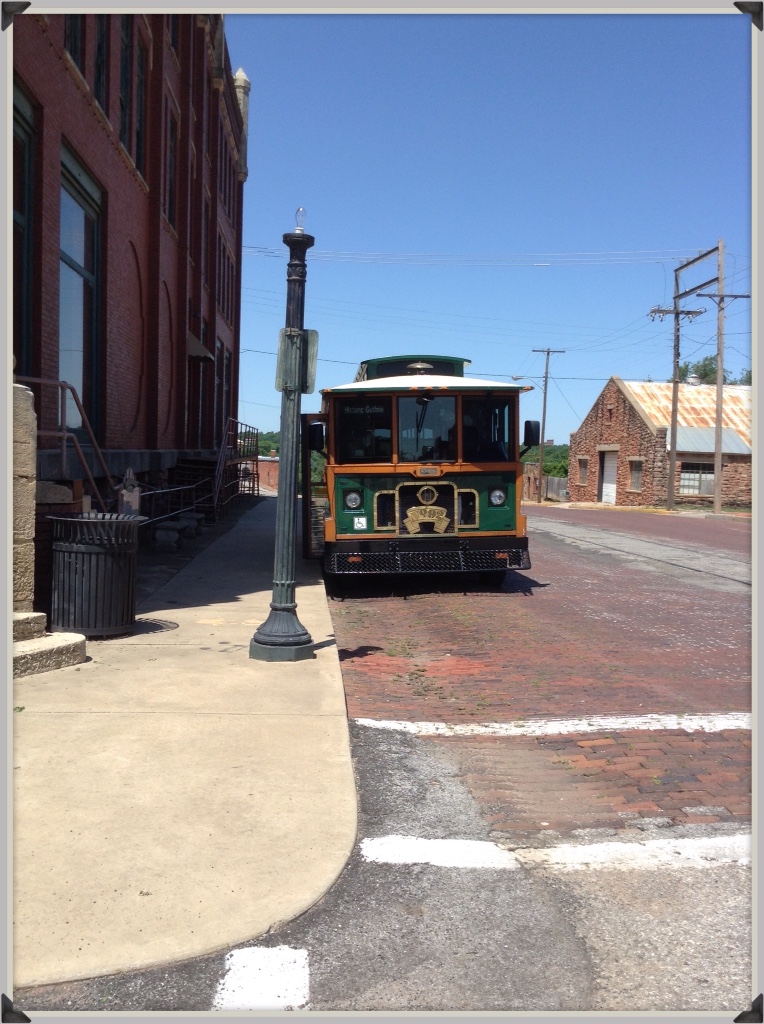
Anyways, it's time to take the Historic Trolley tour of Guthrie then we will find somewhere for lunch.


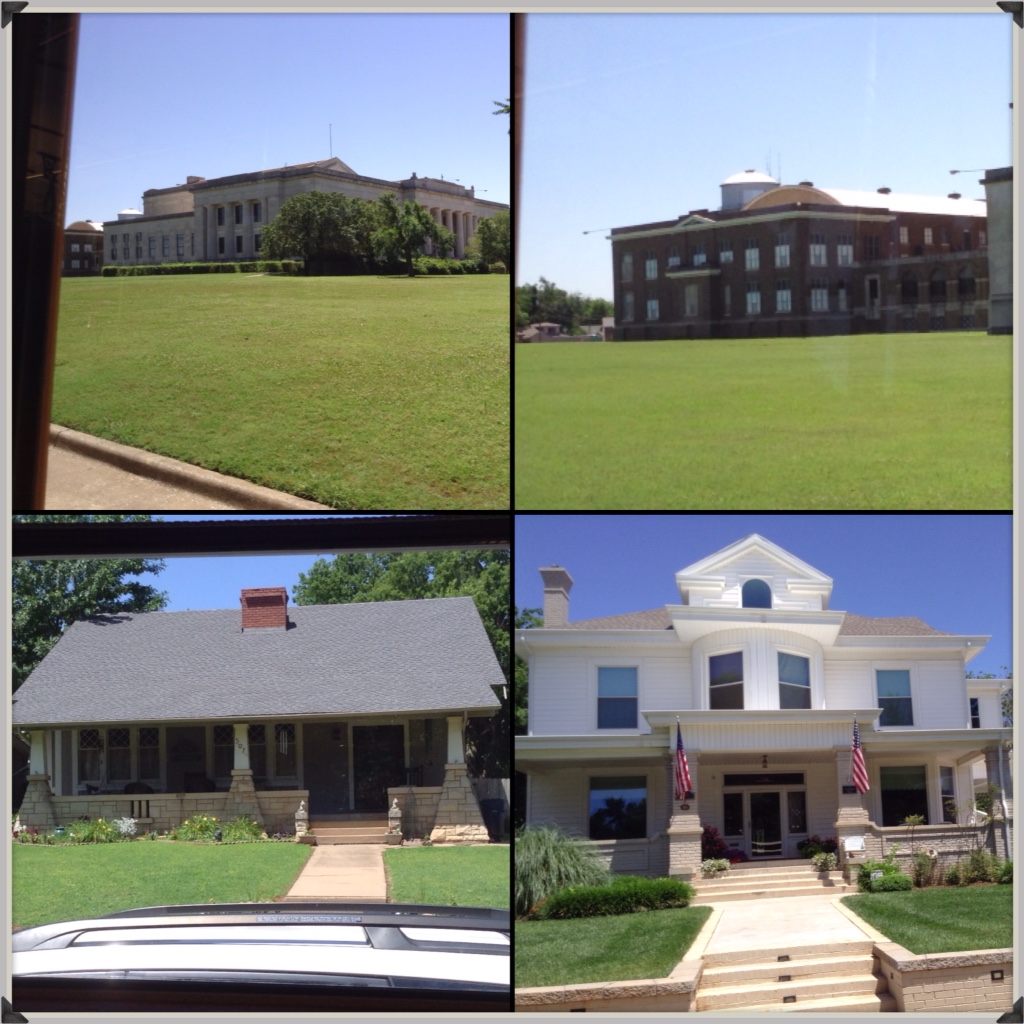
Suffice to say there are some 2,000 historically listed buildings and homes in Guthrie. Some designed by architect Joseph Foucart.


There are a few parking lots that used to have what I can only imagine to be the most beautiful sand stone hotels, including the Mineral Wells Bath House with its indoor pool – said to have every kind of healing bath imaginable.


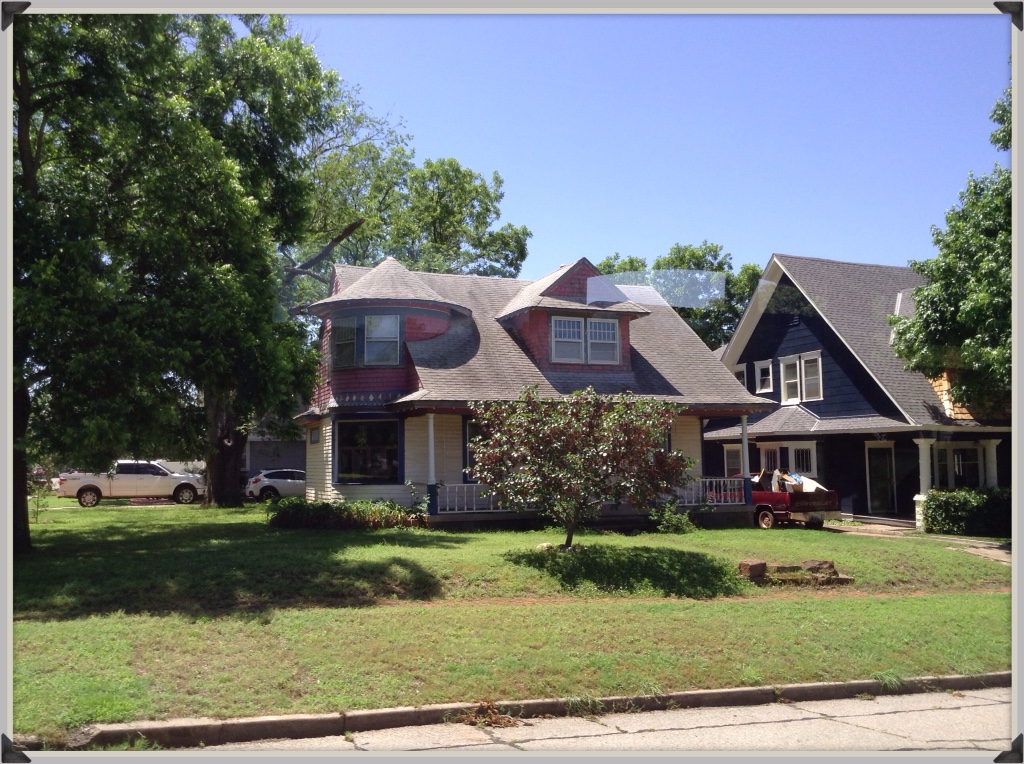
There are many examples of Greek revival, Georgian and Craftsman style homes to name but a few. (I can see a few 'Fixer Uppers' here too! I've been watching that show too much lol!)


So much information that I didn't get down in time as I was busy gazing at the buildings and homes but this one did make me giggle. This little red and grey home was ordered in a complete package form from Sears and Roebuck catalogue – sorta like your very first IKEA kit you might say!
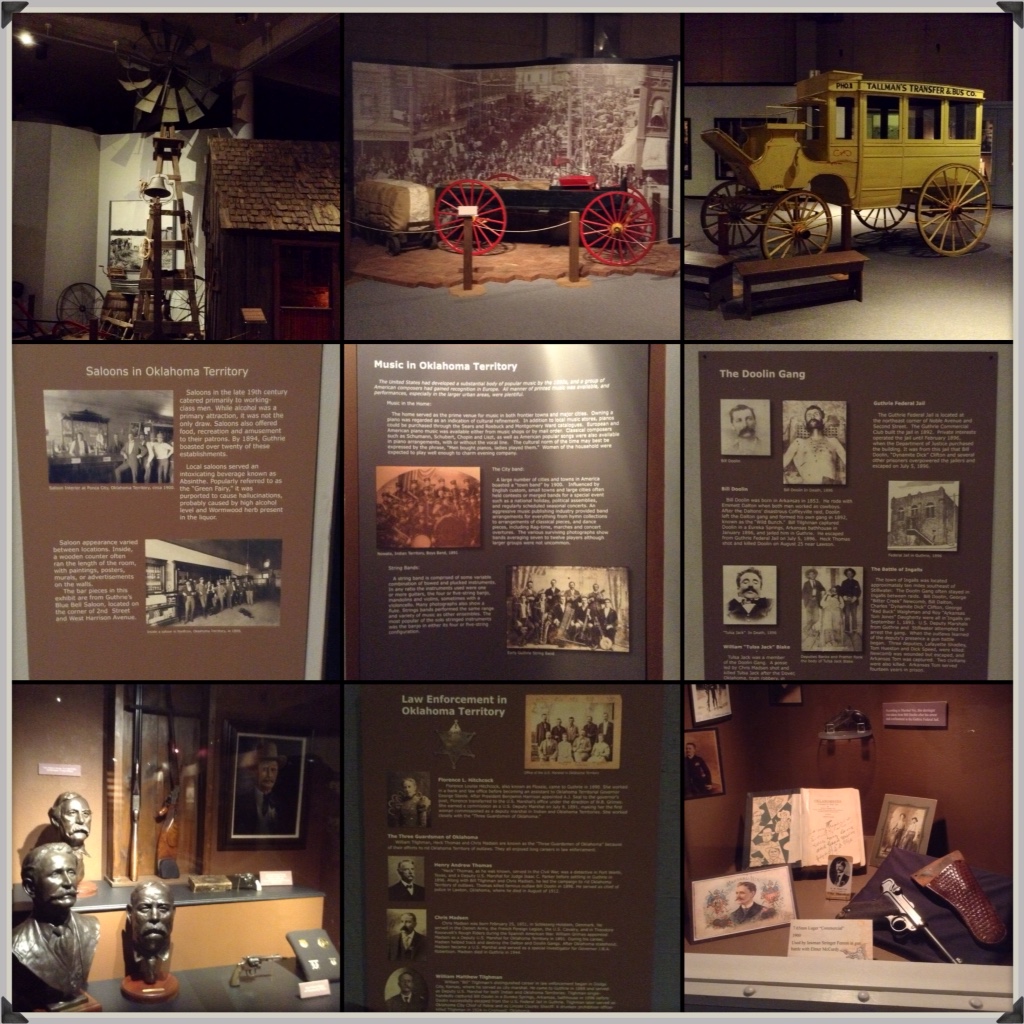
 

Guthrie used to be wealthy for its cotton producing. A gentleman by the name of Adler was the first to be licensed for wholesale liquor manufacturing (funny how I remembered that bit 🙂 ). The very first services, gas, electric, water and more, all came out of Guthrie. The most famous lawmen for the area, known as 'The Guardsmen', were Heck Thomas, Bill Tilghman and Chris Madsen.

Last but not least Guthrie was originally a train stop and was known as Deer Creek in 1887, all 4 major train services came through this stop including Souhern Kansas Railway (later taken over by Atchison Topeka and Santa Fe Railway). As some of you may know the ATSF was also associated with the Harvey House era and Guthrie's second depot was indeed a Harvey House stop (restaurant style stop for travellers, full service) and the Harvey girls lived in dormitories on the second floor level of the stop.


Trolley tour finished we had lunch, went to the Extra Special Fabric Store that I have been told had some awesome prints suitable for Cowboys and Cowgirls. It didn't disappoint, walked out with some new fabric for Jack and myself. Will be back there again.

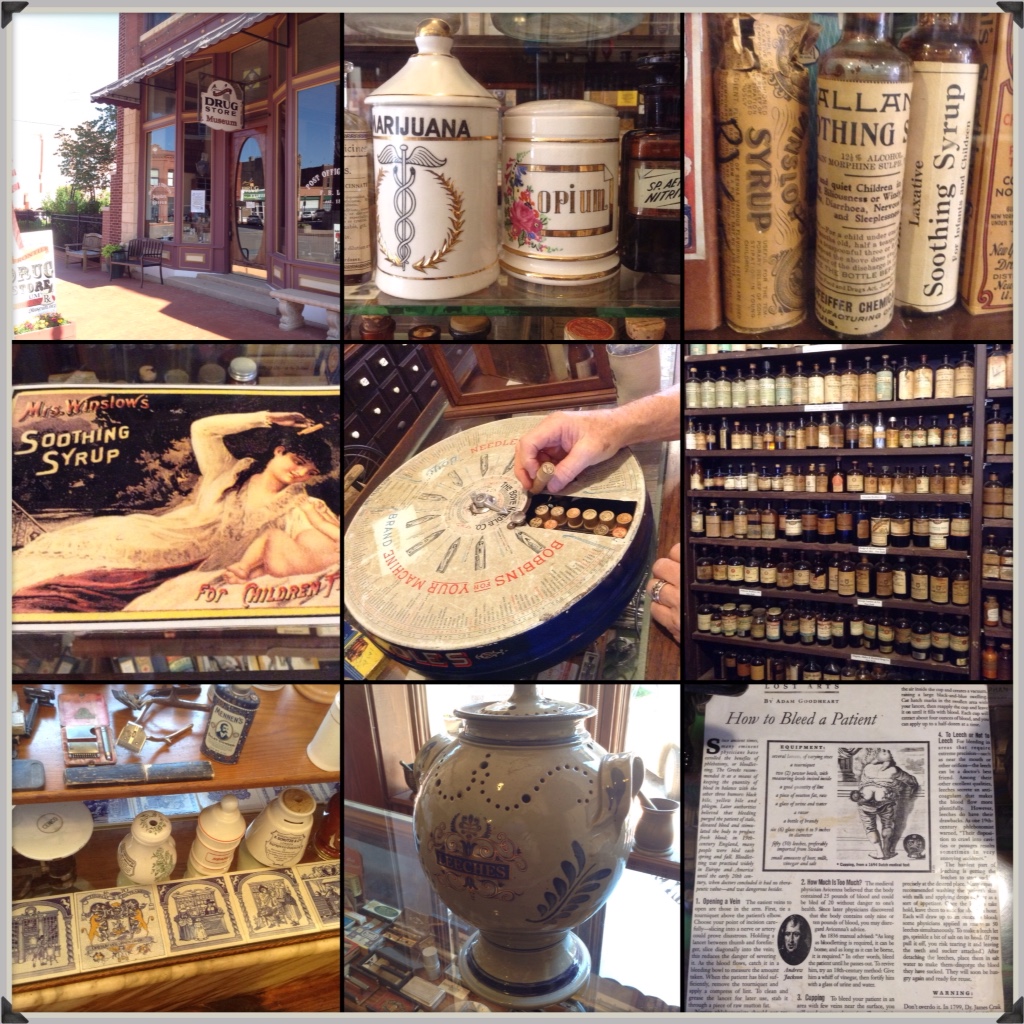
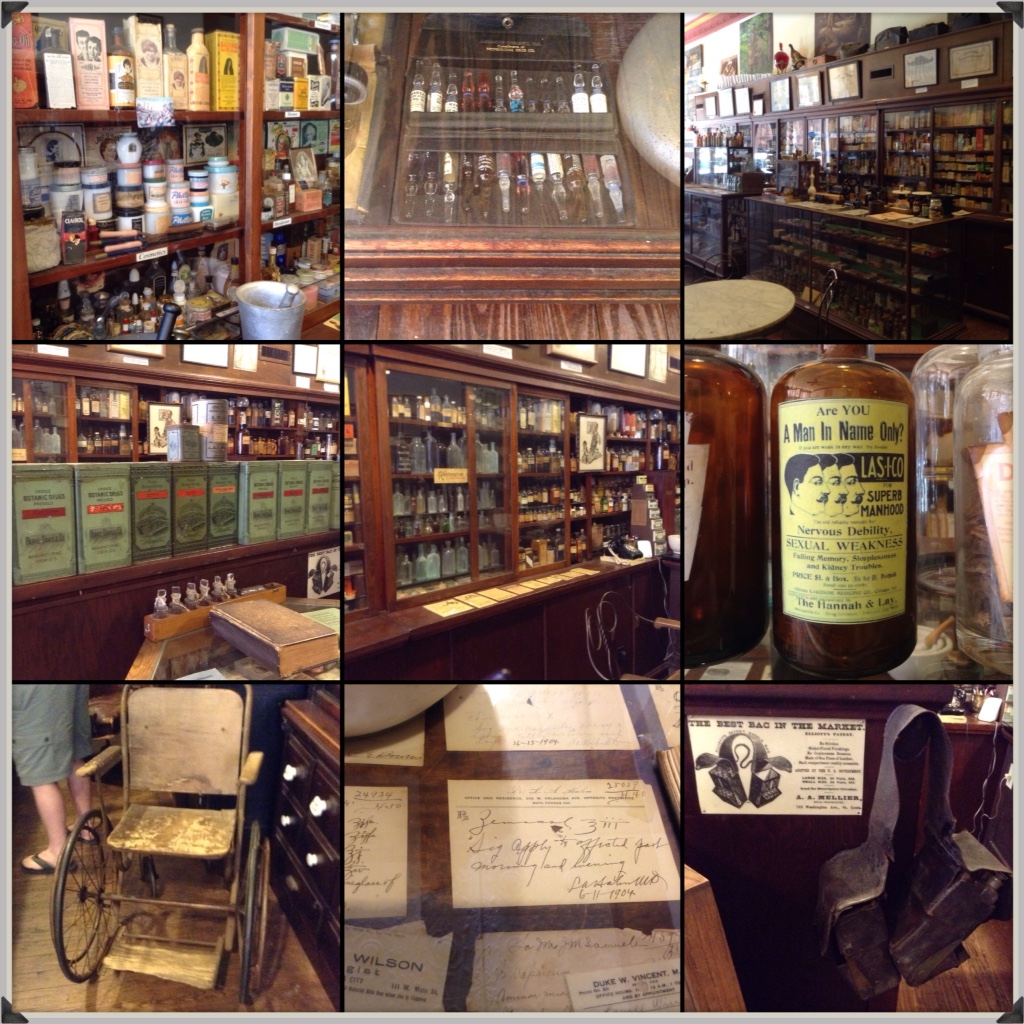
Then we headed to the Drug Store Museum and wow! If you've got anything wrong with you, you would definitely have found all sorts of known and obscure cures for any type ailment. Was very interesting.


We wandered in and out of antique shops before hitting the road back to Edmond. A worthy little day trip only a half hours drive away.

It is Memorial Day weekend here (like ANZAC Day in Aus) Lest We Forget.


Kat xo

For more info, check out some of these sites.

https://en.m.wikipedia.org/wiki/Guthrie,_Oklahoma

http://www.okterritorialmuseum.org

http://www.drugmuseum.org

http://www.extraspecialfabric.com


Get The Heck INTO Dodge

As the billboards display, it’s into Dodge, not outta Dodge.

After a good nights sleep in Colby we headed down the 83 to Garden City. Kansas has a lot of fertile farming land and it’s no wonder they call it Plainsmen country as it is just that – very very flat. Full of corn fields and feed lots, and then more corn fields and oil derricks.

On the outskirts of Garden City seems to be a large industrial hub and also a manufacturer for wind turbines. These things are huge when you see all the parts laying in a plant yard!

Onward we went heading east to Dodge City arriving around lunchtime.

Dodge City town burnt down twice in the 1880’s, front street as depicted now at The Boot Hill Museum (some buildings or facades were moved to the site, the rest was replicated in 1958) is a replica of what it looked like back then, however was originally about 2 blocks away.

Dodge City was dubbed The Wickedest Little City in the west. Now it seems to hold the history and the spirit but is a booming cattle industry/meat producing town amongst corn, wheat and other crops.

Other interesting facts to note, (there was so much information to take in on the Trolley Tour I couldn’t keep up!). Other than the famous and infamous cowboys, lawmen etc that travelled through and worked in Dodge City.

– Fort Dodge was established in 1865, originally a campground of sorts for wagons travelling the Santa Fe Trail.

– George Hoover established the first saloon in Dodge. A sod hut erected in 1872, he later became Mayor.

– First burial on Boot Hill was in 1872 (named Boot Hill because people were usually buried with their boots on) and the Alice Chambers, a dance hall girl reportedly to be the only woman to have been ‘planted’ on Boot Hill, however supposedly by natural causes.

– Dodge City was known as queen of the cowtowns until the Kansas quarantine law came into effect in 1885 when the longhorns carried a tick disease that infected local cattle.

– there were 2 front streets, the more ‘decorum’ North side where no firearms or dance halls were allowed (north of the tracks and on the side where the reproduction street is), and the South side which was the main business block of the 1880’s popular with buffalo hunters and cowboys, saloons, gunfights and ruckus! Separated during the times of Wyatt Earp and Bat Masterson trying to bring order to the city.

– The Long Branch Saloon was the most popular. Owned and operated by Beeson and Harris, later made famous by the television series ‘Gunsmoke’. Regular entertainment was given by the Dodge City Cowboy Band and was known for gambling and fine whiskey.

– between 1866 and 1872 it is said the population was around 1000 citizens that reportedly consumed enough alcohol to the equivalent of 150 miles/ year!!!

– it was also known during that time that only 13 people were Christians. Gospel Hill becoming know for it’s churches, the St Cornelius Episcopal church still has the original building from 1891 the stained glass windows are still original. The Presbyterian church that is there now is built on the original site, the gable being where the first church was and the bell in the courtyard is from the original Presbyterian Church.

– The Mueller-Schmidt house is original and listed as a historic landmark today and you can take tours through it.

– The Santa Fe Depot once a famed Harvey Hotel was one of the finest depots. The building at the end of the depot is the original Harvey girls dormitory.

– The first Marshall for Dodge was in 1875. The famous Wyatt Earp was an assistant Marshall or Deputy in 1877 and had a quite way of enforcing law. Bat Masterson also embodied the colourful tales of the Wild West. He was one of the first citizens buffalo hunting with his brother and a friend. Bat’s brother Ed was a Marshall which was a short tenure when he was shot by a cowboy in a saloon as he attempted an arrest.

– Butter & Egg Rd was originally used as a street for farmers to bring butter and eggs into town to be sold. The county here wanted to change it for 911 upgrade purposes to Laryette but the community got together and protested keeping the name of the road as it’s original. It sits out in amongst the feedlot heartland.

– There are huge feedlots here with up to 1.3million cows capability. 85% cow hides are used for leather goods like shoes and car upholstery. Nothing is wasted, even the manure is used for fertiliser on other crops.

– Dodge City is one of the richest wheat and cattle industries in the world.

– When Francisco Vasquez de Coronado came through on his quest for gold in 1541 when he gave up looking for the City of Gold they left the horses here which in part is how the Indians became proficient horsemen and they became the ride for cowboys to navigate the plains.

– 3 years of intense buffalo hinting nearly eliminated the buffalo by the end of the late 1870’s. Prior to the hunting a buffalo herd could be a mile long and one and a half miles in width.

– at Fort Dodge, the Custom House original building was the original commanding officers quarters. The wooden building housed military men.

– The museum library is situated in the original store house.

– The quarters for the men, two stone barracks and one of Adobe. All now sits inside the Military Kansas Veterans and is a state soldiers home, like a retirement home.

– 1500 trucks a day service business in Dodge, for meat processing and other major manufacturers.

– There are two major meat processing plants in Dodge, employing around 2 thousand people each. The Winter Livestock lots is the biggest privately owned and runs auctions every Wednesday.

Phew! A history bombardment, fabulous! Hot day too, 106F/41C. Thoroughly enjoyed it.

We decided to move on at around 4.40pm and not do the wax museum. Tonight we spend in Pratt, KS, homeward bound to Edmond, OK tomorrow.

See you on the trail again next week as we head to Kentucky! Yee haa!

Kat xo

http://www.visitdodgecity.org/index.aspx?NID=157

http://www.boothill.org


Hit The Road Jack!

After cleaning the car last night and Jack doing final internal touches while I did laundry we are heading through Santa Fe and stopping in Taos (pronounced touse – thanks Melody!).

Views of a very dry looking New Mexico.

Through Santa Fe and Espanola just outside of Taos and landscape is changing again. It's a little greener and the gorge looks spectacular! Called Horseshoe Bend ?? We didn't go out to Rio Grande gorge and the bridge though.

In Taos, we had a nice lunch at the Gorge Bar & Grill out on the deck overlooking the plaza and then walked some of the many, many shops before heading out to check out the Taos Pueblo.

What an interesting place that is, the current church, which we thought looked a bit new gets taken care of each season like the rest of the traditional adobe buildings and the church has been there since 1850!

The original site for the San Geronimo Church was where the cemetery is and was built around 1619. It was rebuilt a couple of times after conquests and revolts in 1680 and 1706 and then after the 1847 overthrow when Governor Charles Bent was slewn by natives it was reconstructed on the site where it is today.

The Taos Pueblo is a world heritage listed site known as the first living world heritage. In the confines of the original walls they still maintain age old traditions, no electricity and no running water, drawing water from the Red Willow Creek that breaks up the North and South.

Tonight we are in Walsenburg and will head onwards to Fort Collins tomorrow.

Night!

Kat xo