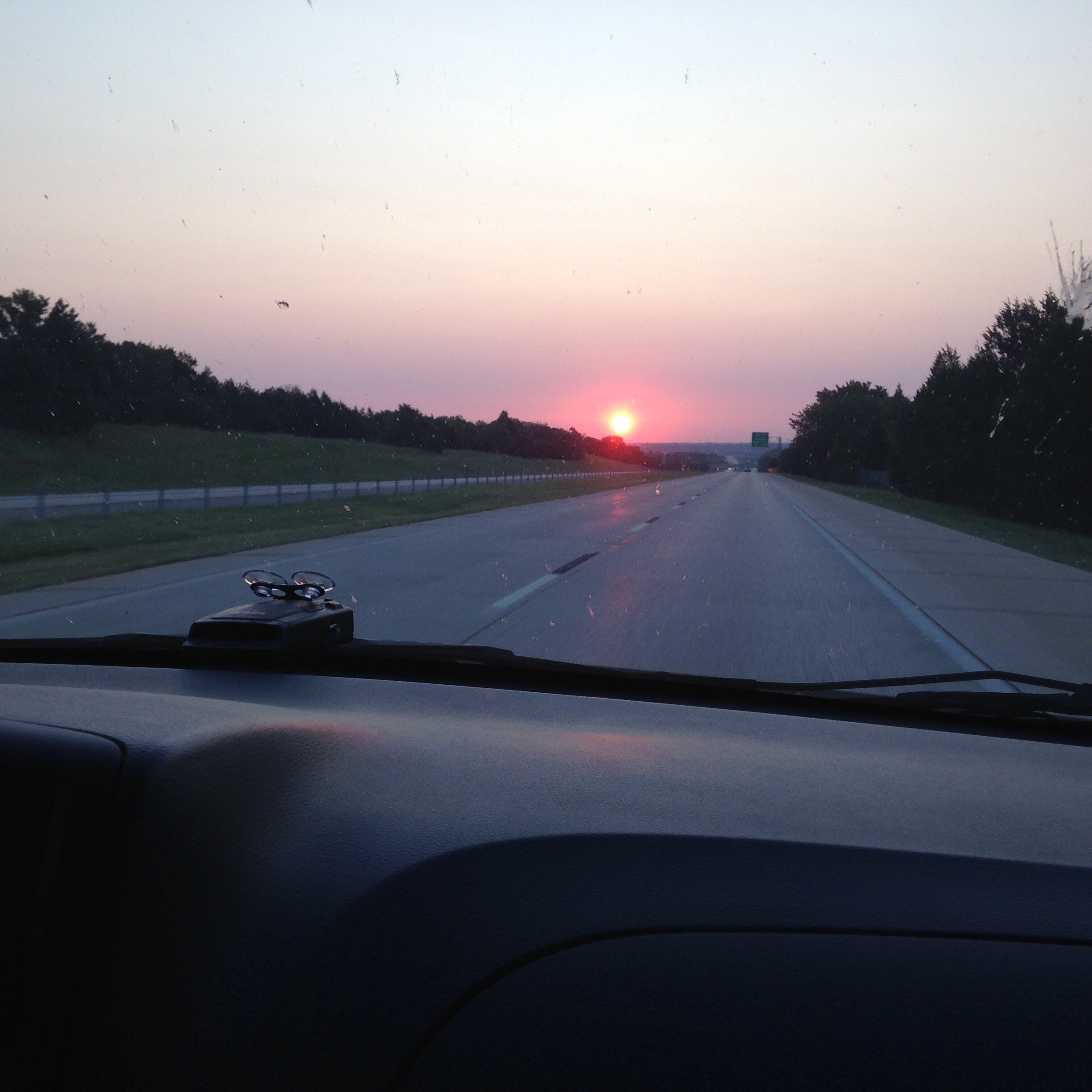
The big orange ball is rising in the sky as we head out early to pre-shoot OK State Championship.
Have a sensational weekend and may all your bangs go clang!
Kat xo
The big orange ball is rising in the sky as we head out early to pre-shoot OK State Championship.
Have a sensational weekend and may all your bangs go clang!
Kat xo
With a side trip via Dresden on Saturday afternoon August 19th, we wound our way through the German countryside to Colditz.

Arriving late afternoon, the very helpful tourist information girl rang around countless hotels and pension’s (pronounced pensh-ee-on) to no avail. Jack wandered off down around the corner to one he had stayed at 12 years ago and found the same guy running it with a room available.
Done! We were checked in and the room, I will add, was white walled, rather large and fresh compared to the burgundy wallpapered tiny room of Prague.
Being beer o’clock we took a short walk back into the square to find no pubs!?? Back to the Pension and asked about a watering hole.
He told us there was a pub up a side street, which I had seen outside umbrellas that were down. Odd for a Saturday afternoon but he assured us it would be open at 5pm.
Off we trot to find that it doesn’t open until 6pm!!!?? What is this place? Lol!
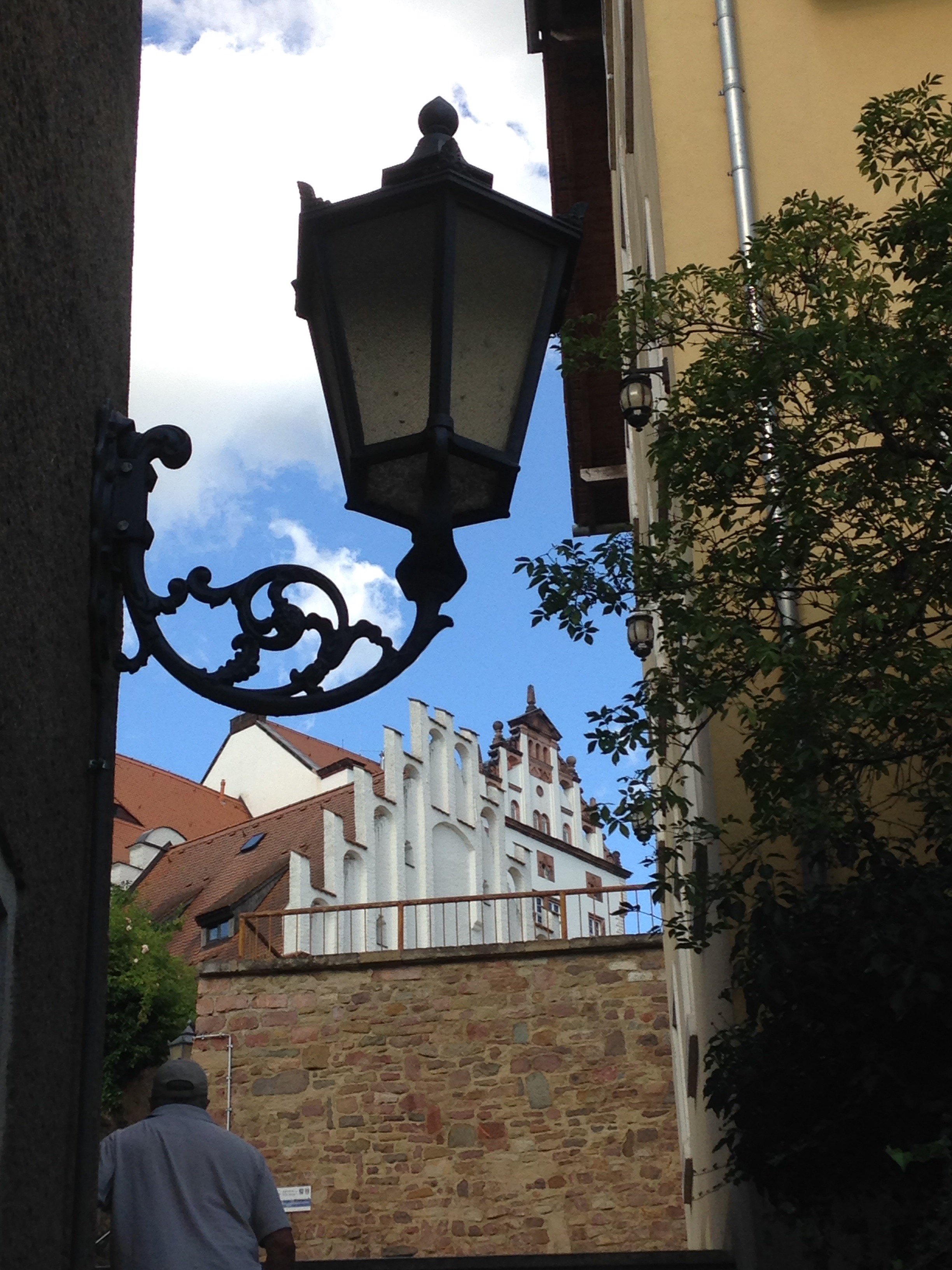
Okay so we decide to take a casual stroll up to the castle and then see a sign for another pub. Well it’s not like we don’t have time to find it and see if it is open.
Walking uphill and earning that Weiss Bier we found the little hidden pub and yes our best Little amount of German ordered a couple and went out to the Biergarten. Prost!
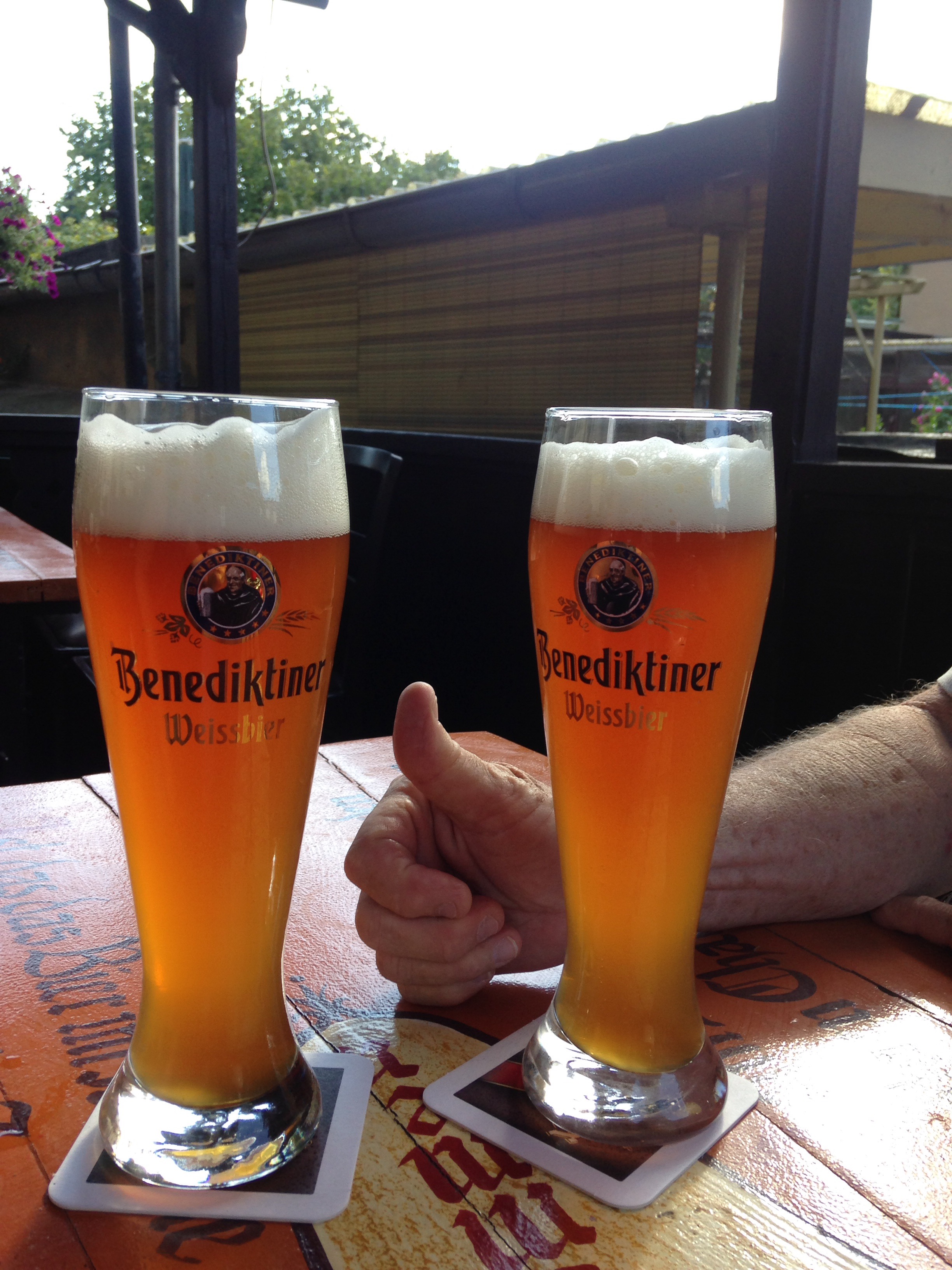
Two rounds later and we headed back down the hill to the first pub.
It’s bustling (lol!) with 5 patrons watching soccer. We take a corner booth under the screen and have a Guinness limited choices here and that’s when I spy the Four Roses Bourbon in the corner shelf from Kentucky!! Schnitzel followed with the next round before returning to the room.
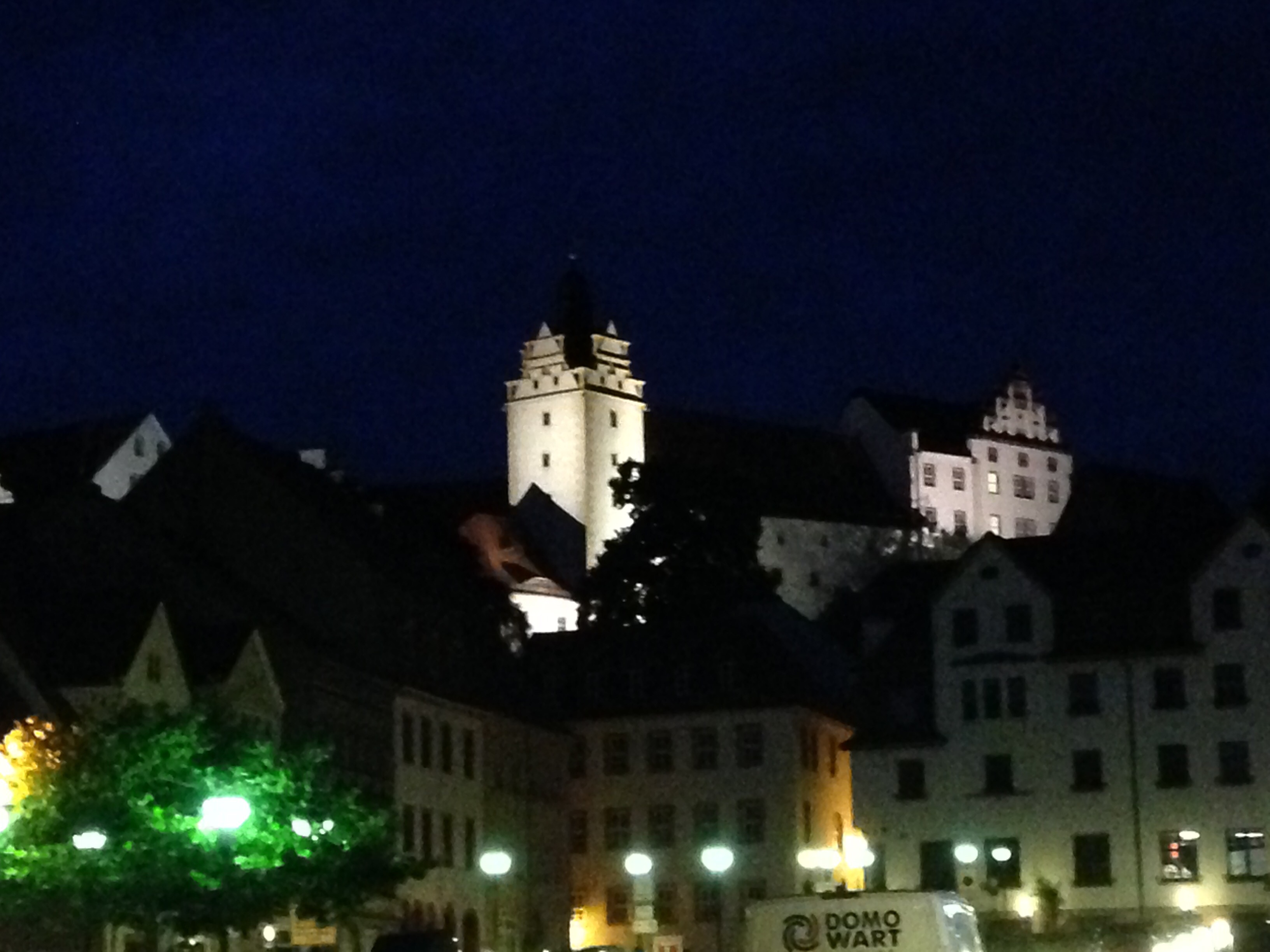
Sunday morning we are up to the castle for a tour and our guide Alex is a mix of U.K., Polish and living in Germany.
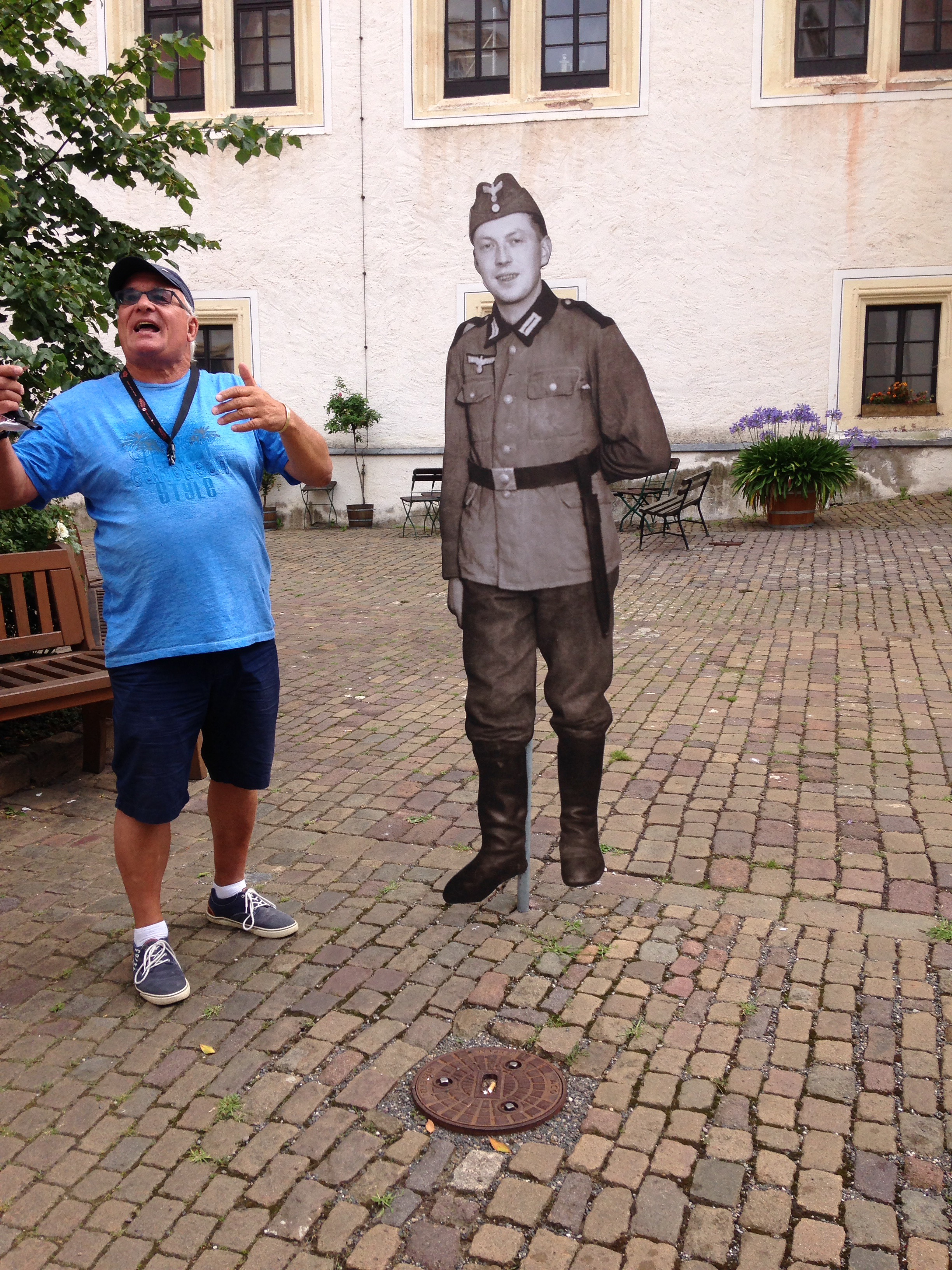
Colditz Castle in the saxony state of Germany had begun construction in 1046 and was burnt down twice.
Colditz has a long Royal history before it was otherwise used as an asylum, a children’s home, an old people’s home and during 1939-1945 was a concentration camp.

The more modern part of the building was added in the 1800’s and is now the Jugendhergeege Youth Hostel and to the right of it is the music school where students, orchestras and performers from many countries come to play.

Jack recognizes a section has changed and asks Alex about it. In 2006 they removed one section to reveal what would have been the Royal baths with tiered gardens behind.
Back to the War period and many of you may know some of the Colditz story or have seen the documentary regarding the attempted escape with the plane.
During this time 320 escapes were attempted, 28 were successful with the intended route into Switzerland some 640km away.
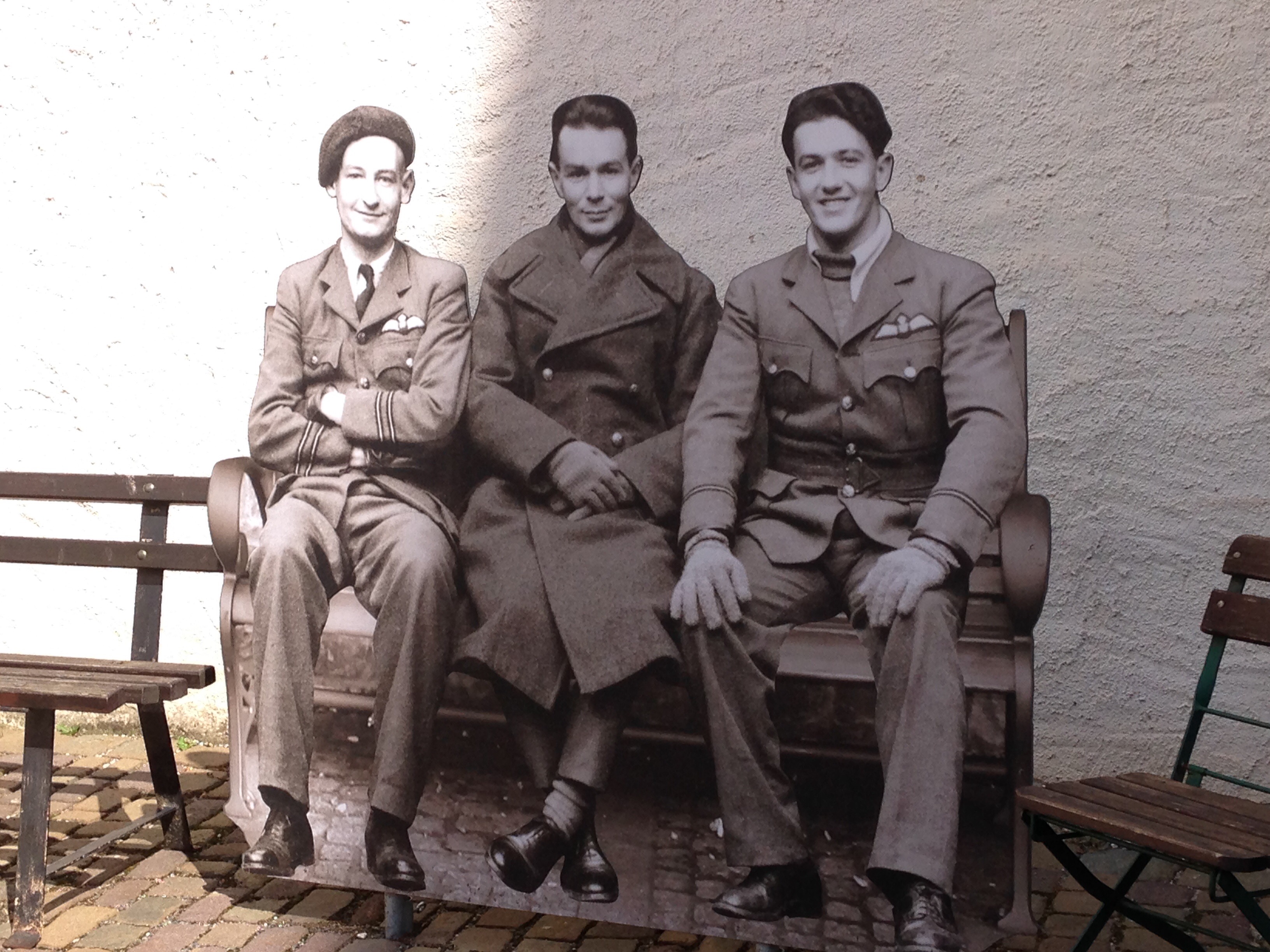



Around 5-600 prisoners were held here at any one time with numbers increasing towards the end of the war. Interestingly of those, 21 Australians and 12 New Zealanders were held captive here.
Through the castle to the back section and we can see the back of the building to the officers quarters and the prisoners quarters to the right. Over the wall behind us is forest and a grass field where prisoners used to play soccer.

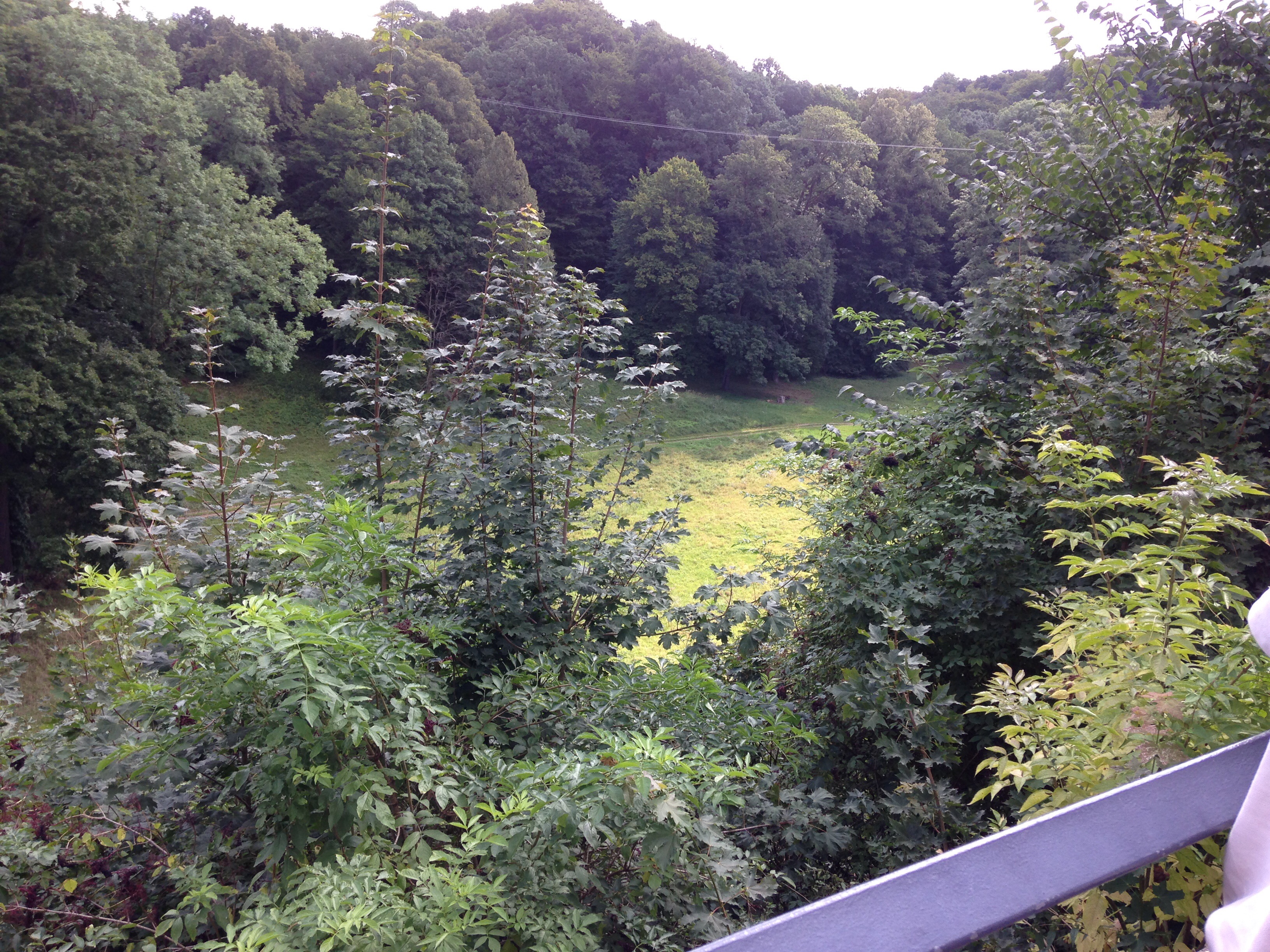
As you can see, a great place to escape but there would have been machine guns and barbwire.
A partial wall left in the trees is where two escapees got out. One stole a bike and made it to Switzerland in just 8 days! The other walked his way there in 5 months!
In 1939, 700 Polish prisoners were in Colditz and was then changed to imprison high profile prisoners.
These prisoners were VIP’s with some related to Churchill or the Queen and other high profile families or ranking.
The Castle used to be a drab grey which the Germans saw as formidable and the Captain in charge thought that being built on 30m of solid rock that it could not be escaped from let alone tunneled out of!
The French created a tunnel below and through Colditz taking them just a mere 9 months to do so.
There were 150 guards at the beginning and by the end 300 – 1 guard to every 2 prisoners.
As this was(?) run under the Geneva Convention, prisoners were allowed to be punished with solitary confinement. This just gave most of them more time to dream up escapes and ways to keep the guards busy. They were able to time the guards movements and use the information for their plans. Guards were tied up 4 times a day with roll calls and keeping track of where all the prisoners were.


An Englishman and a Dutchman were the first to attempt escape from Colditz.
Art Neive cut a German uniform from a Polish one which was supposed to be dyed the correct colour. Being a little impatient he escapes anyway and nearly blew his cover by taking a piece of chocolate from his pocket to which the Germans had not seen such luxury in more than 2 years.
He had escaped with another prisoner through the back of the opera theatre past 4 guards unnoticed. He escapes 9 times during that period and was killed years later in and IRA bombing. He was your original 007 and was with a Belgium woman who was considered the original ‘Q’. It is said that this is where Ian Fleming got the ideas for his James Bond books.
We headed up the spiral staircase to the loft and watched a shortened version of the very same documentary that Jack and I had happened across on tv just a few months earlier!

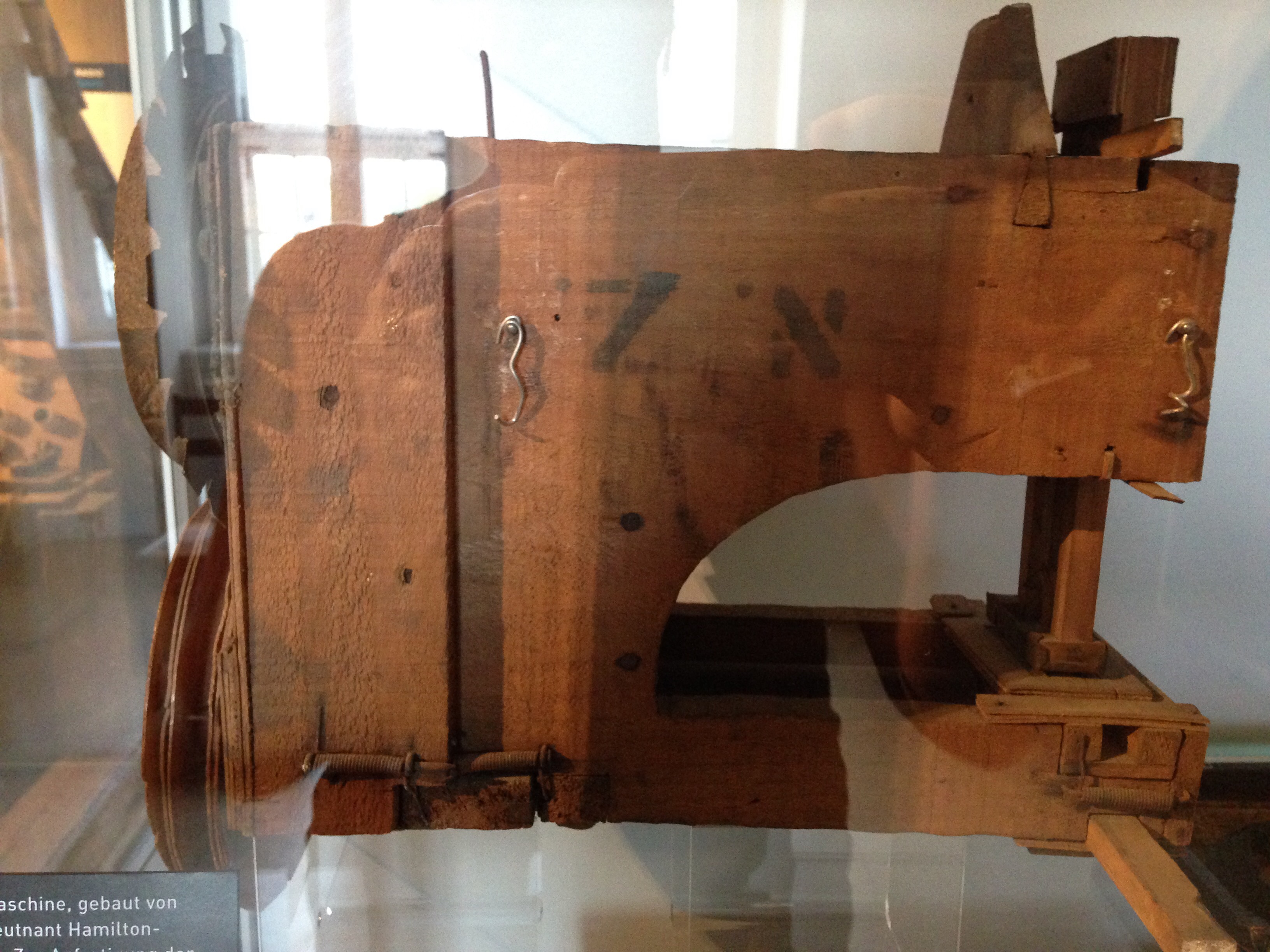
The guy in the documentary with some aerodynamic experts recreated the glider and launching that had taken place by a couple of British Air Force pilots during their Colditz internment.
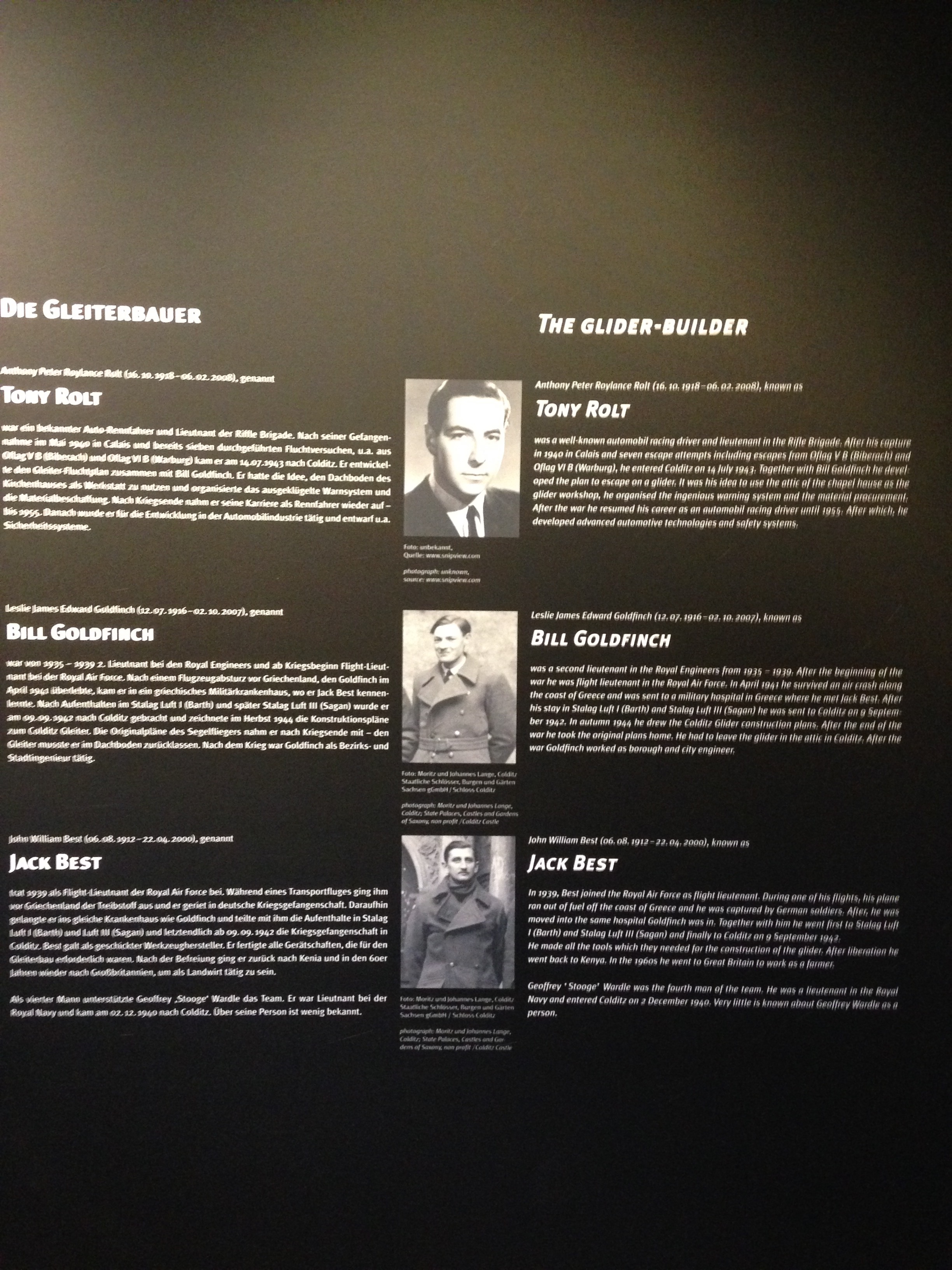
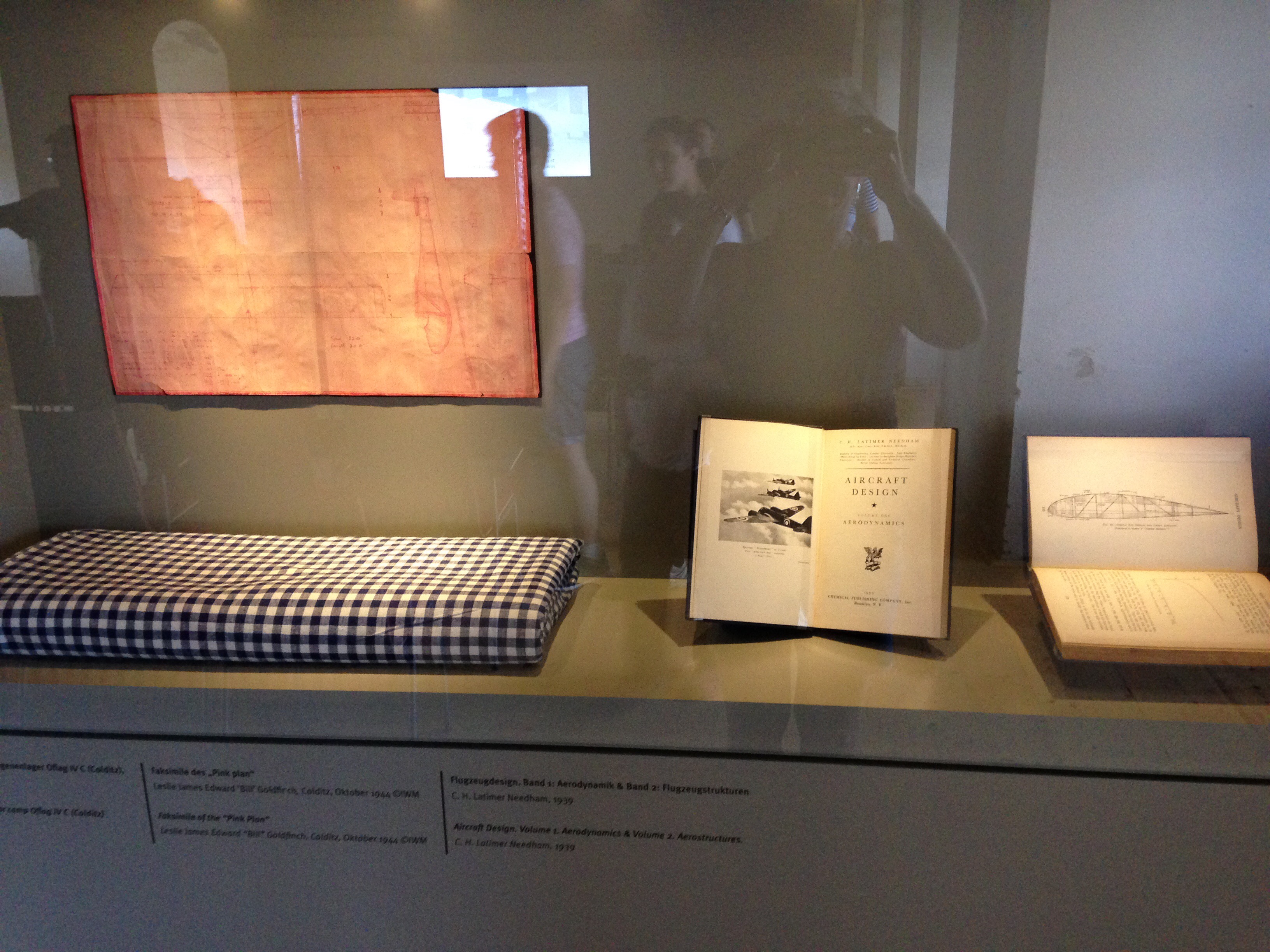
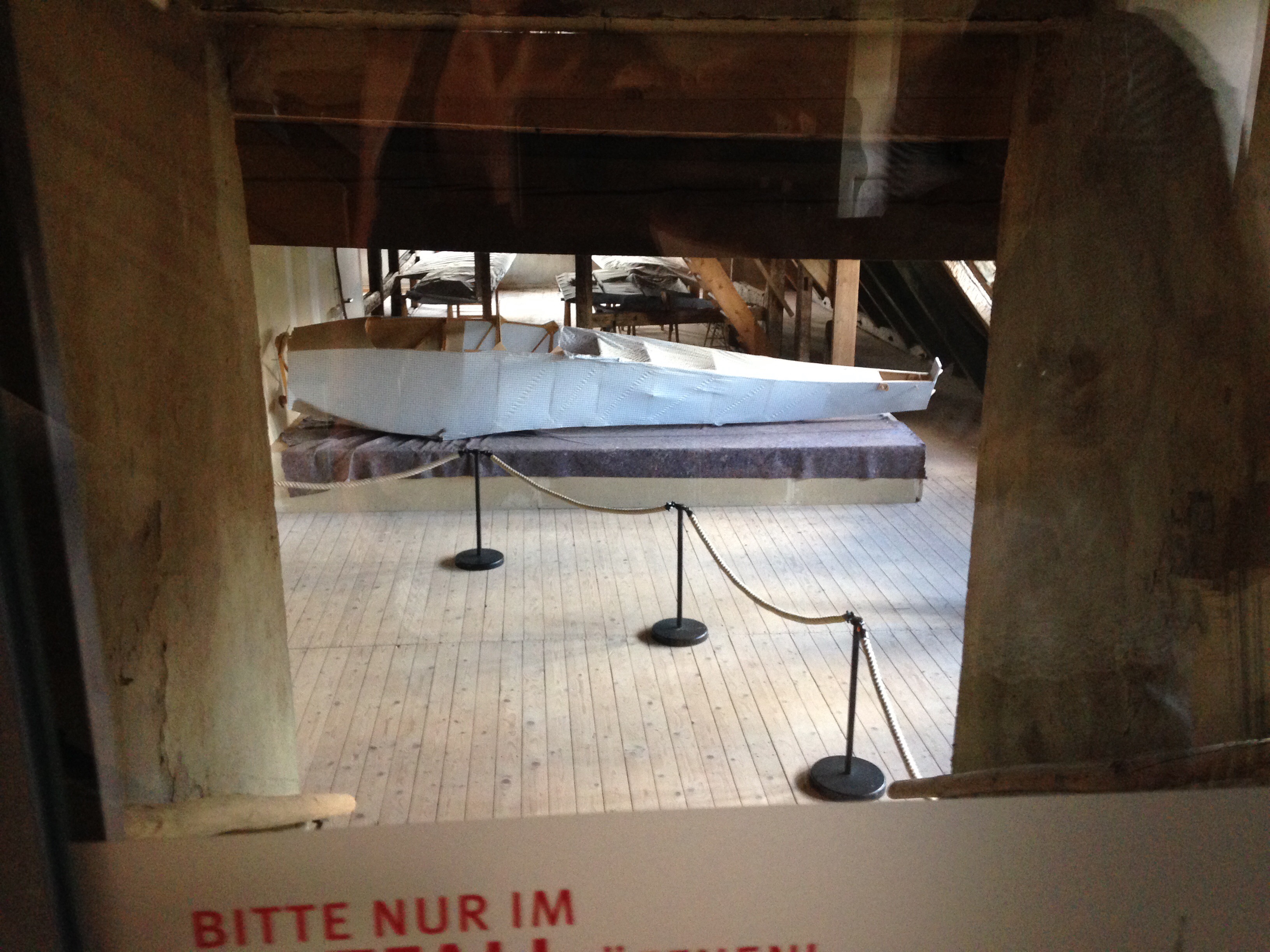
It really is impressive to think they they actually built a glider hidden away behind a false wall right under the guards noses! They found books on aerodynamics in the prison library and set about to build it with stuff just laying around.
The two airmen had said it wasn’t that hard there were supplies in hallways and other areas just for the taking that wouldn’t be noticed if gone.
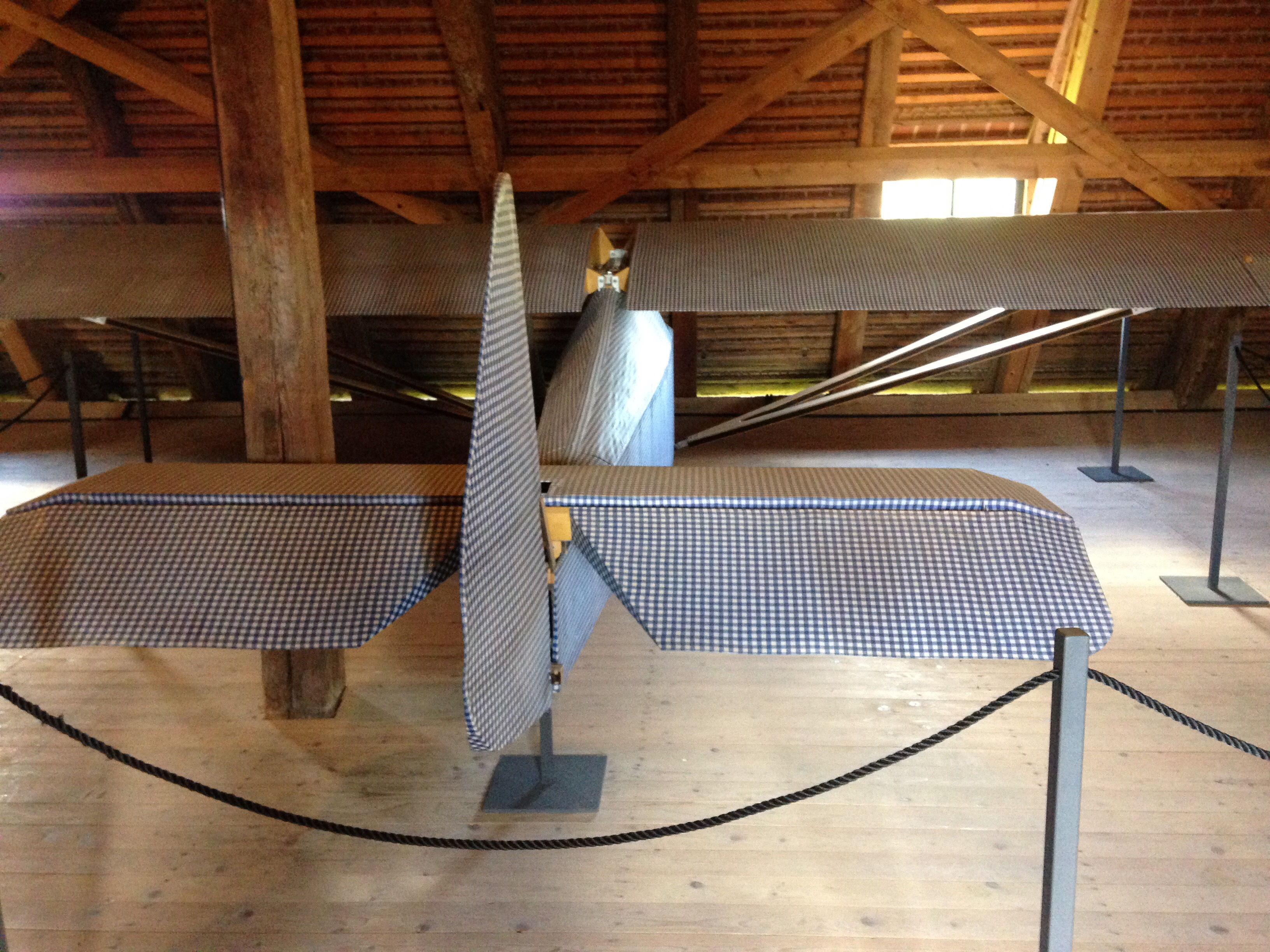
They used their gingham bedsheets and made a dope from porridge to coat it with so the fabric would be taute.
The only photo of proof it actually existed was taken by a journalist that was with the Americans when they liberated Colditz.
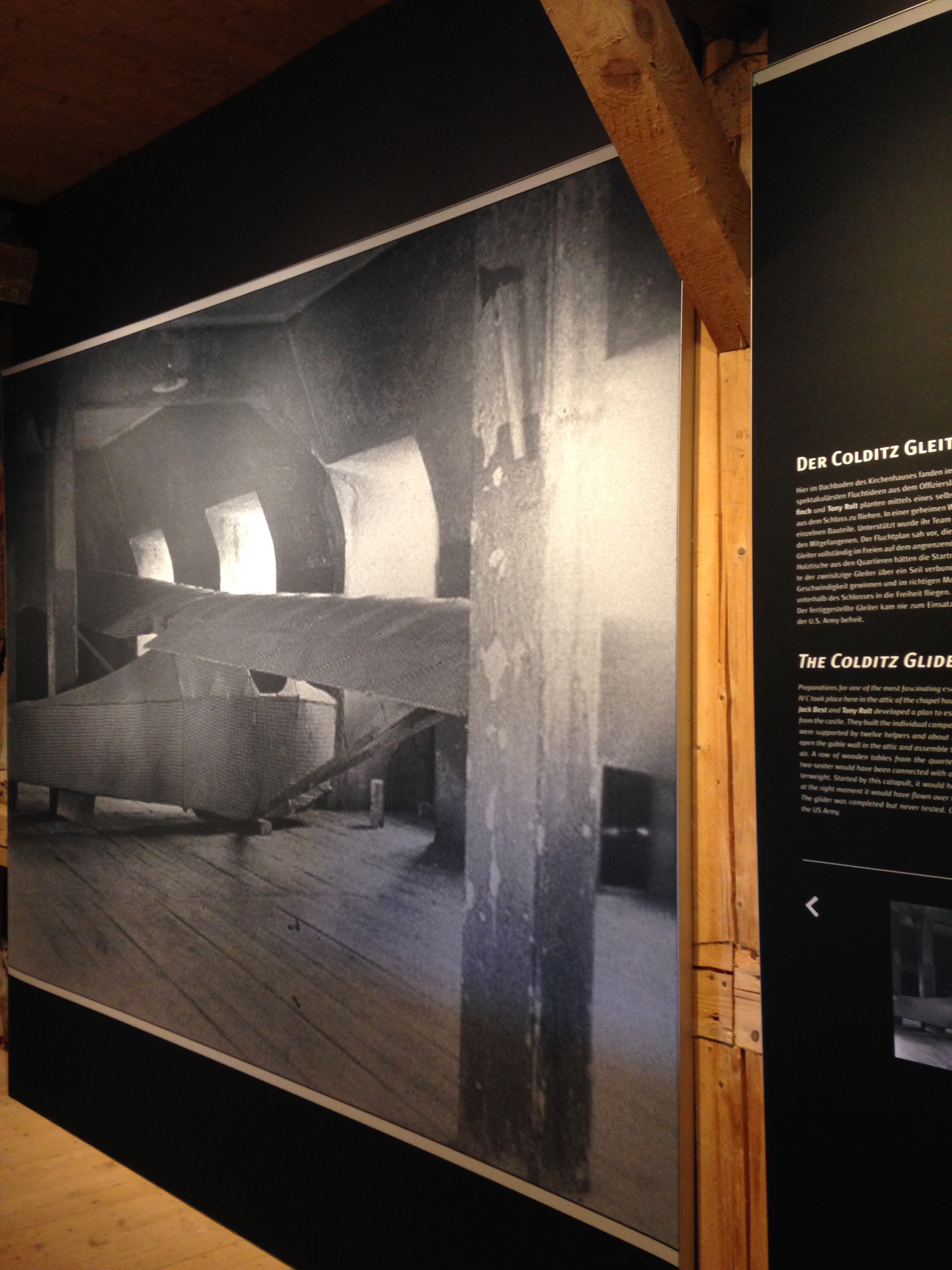
Behind the wall where the photo display board, was where they built the glider in just 1 year.
The replica in the attic has been made using the exact plans the airmen came up with.
Lastly we went into the 1623 chapel. It was renovated much later and the back wall has only just been opened up to reveal the French tunnel work.
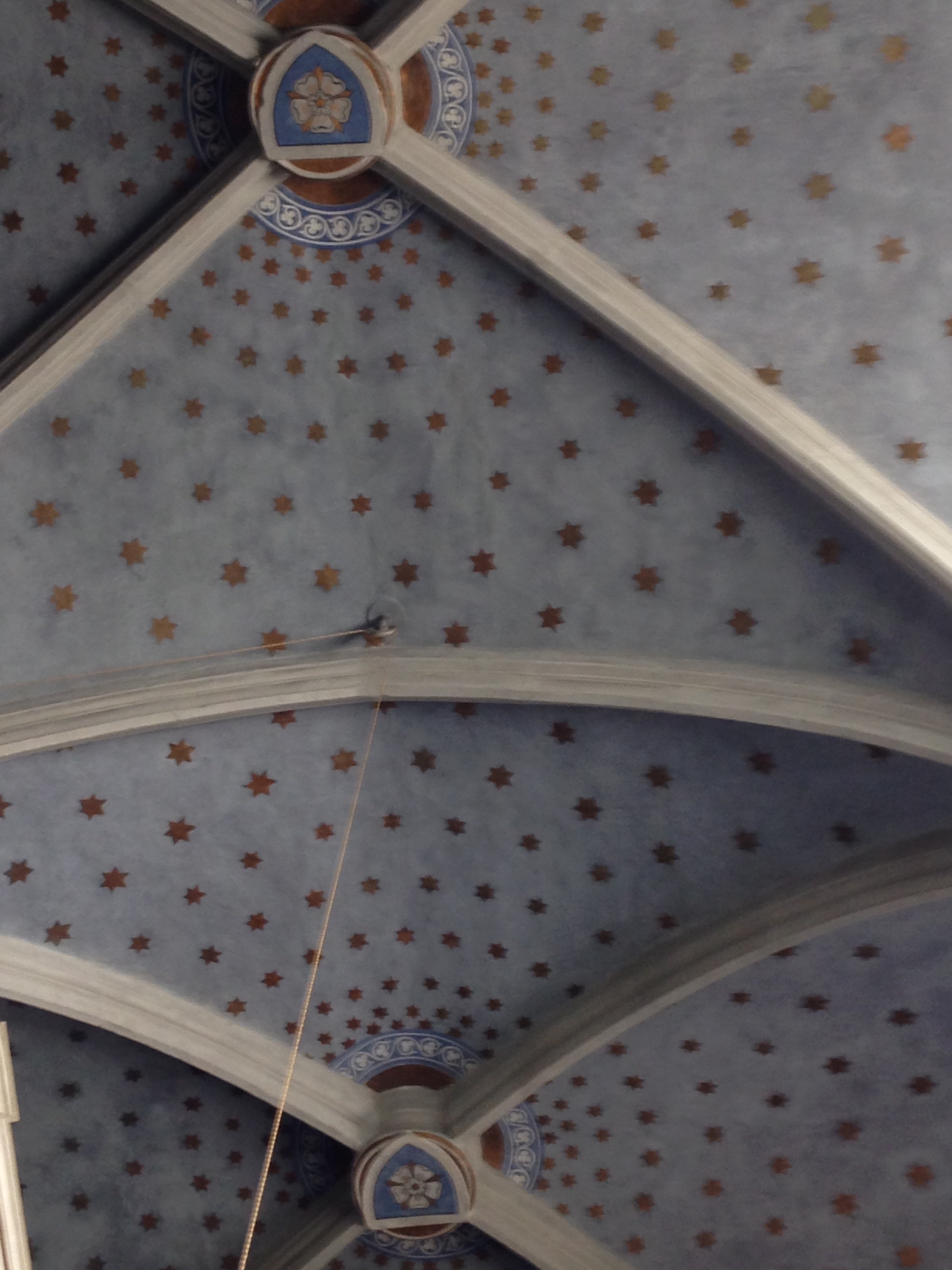

When the French discovered the gap at the back, they started creating a tunnel whilst the French organist played and the French choir would sing all day.


The mousetrap we saw in the first museum would sit underneath an organ pedal and if the guards were around it could turn off the power to the tunnel and the diggers would go silent.
The tunnel we saw in the cellar was just short of 46m. It is said that a young electrician was sent down to the cellar at the same time 3 French Officers landed in there. Of course they were caught and were made cement the hole back in (now removed again for their display purposes).

Also the rubble that they had taken out of the tunnels was deposited on the roof of the Chapel which later collapsed and they were made pay for the repairs.
Finally we were shown the section of roof the glider was launched from and the field in which it landed and indeed could possibly have landed if they had had the chance to attempt the escape in the glider.

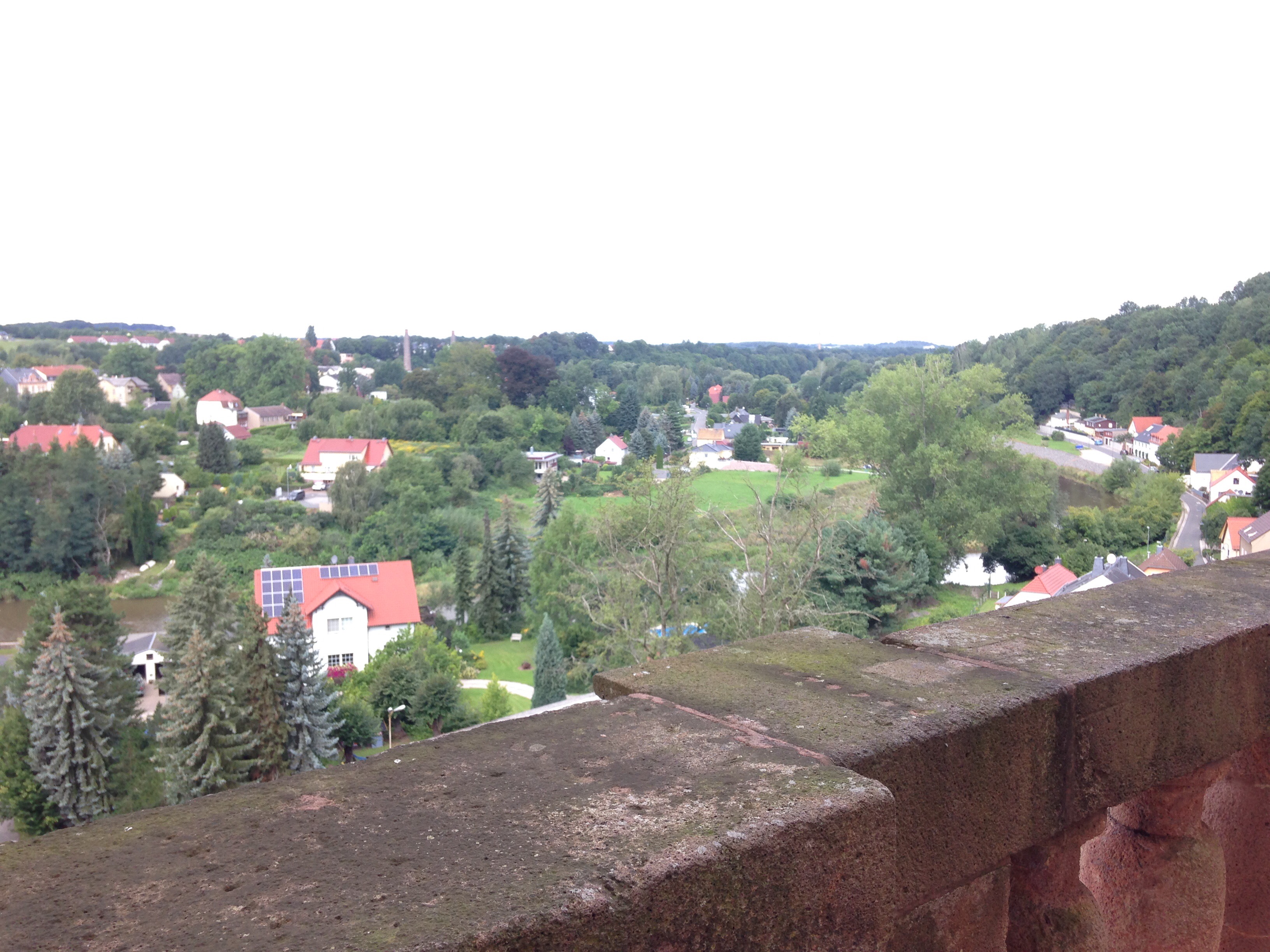
A great experience to see it after seeing the history documentary.
Onto Freising we went for our final stop before departing Munich.

Cheers
Kat xo
As the final day in Prague came round, Jack and I used our 24hr hop on hop off pass to get us round the city again and to the KGB Museum (his choice but this was indeed a treat).
The KGB Museum is of all places, situated in between the US Embassy and the German embassy.
We arrived at the door just after 12 noon and fortunately we were let in to the guided tour that was taking place.
Man, I wish had taken video of this guy because it was very entertaining, to put it mildly!
We are talking about a good Russian boy here. He had all the history down on all the gear.

In my efforts to intently listen to his broken English/Russian accent it took me all I knew to concentrate on what he was saying and at times translating for Jack! Haa haa haa
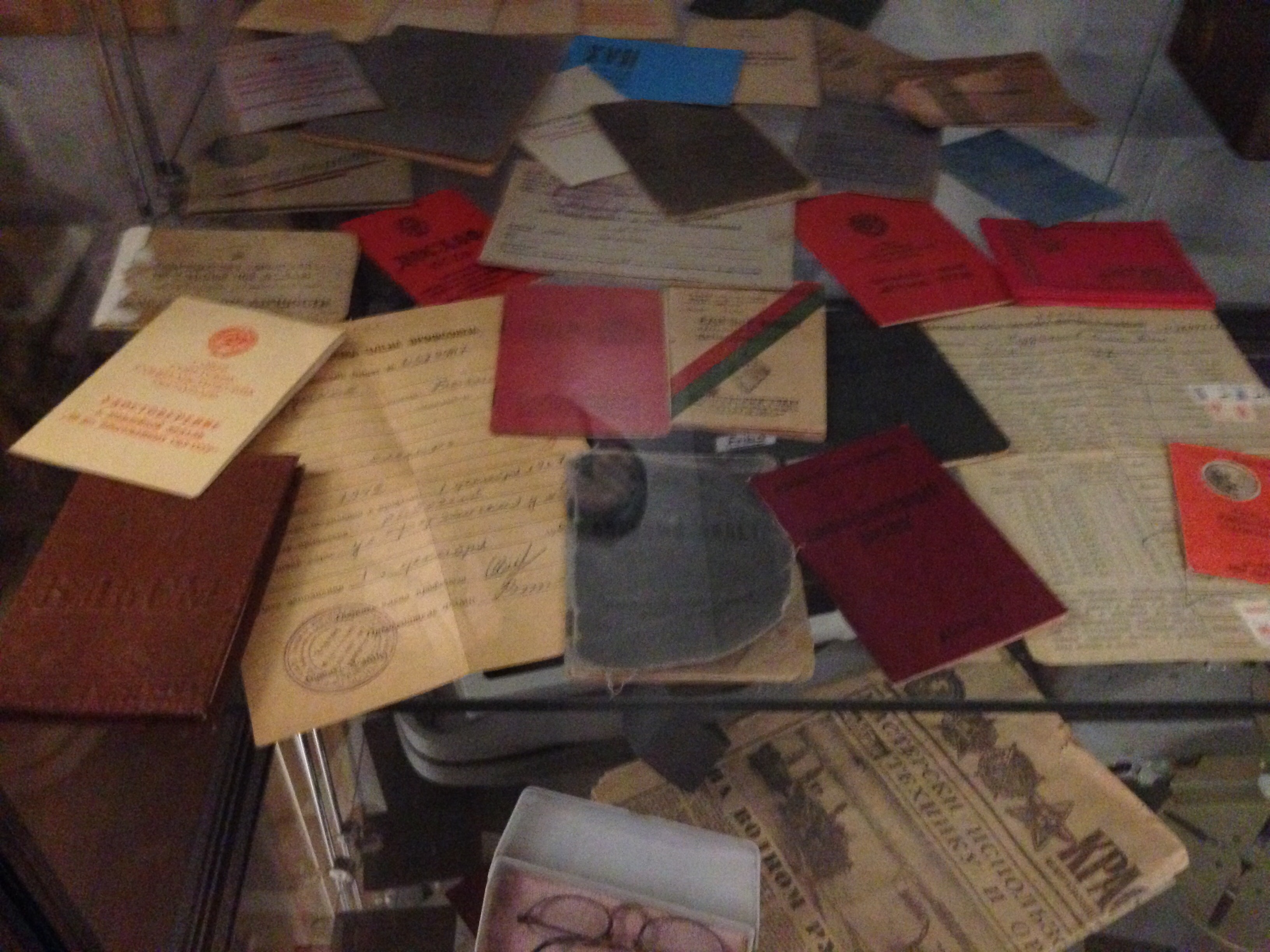

I didn’t make any notes during this hour and a half ‘show’.
His flamboyant style of history portrayal also included some very animated displays of weapon use along with sound effects and facial expressions!! I’m still laughing about it now. 🙂
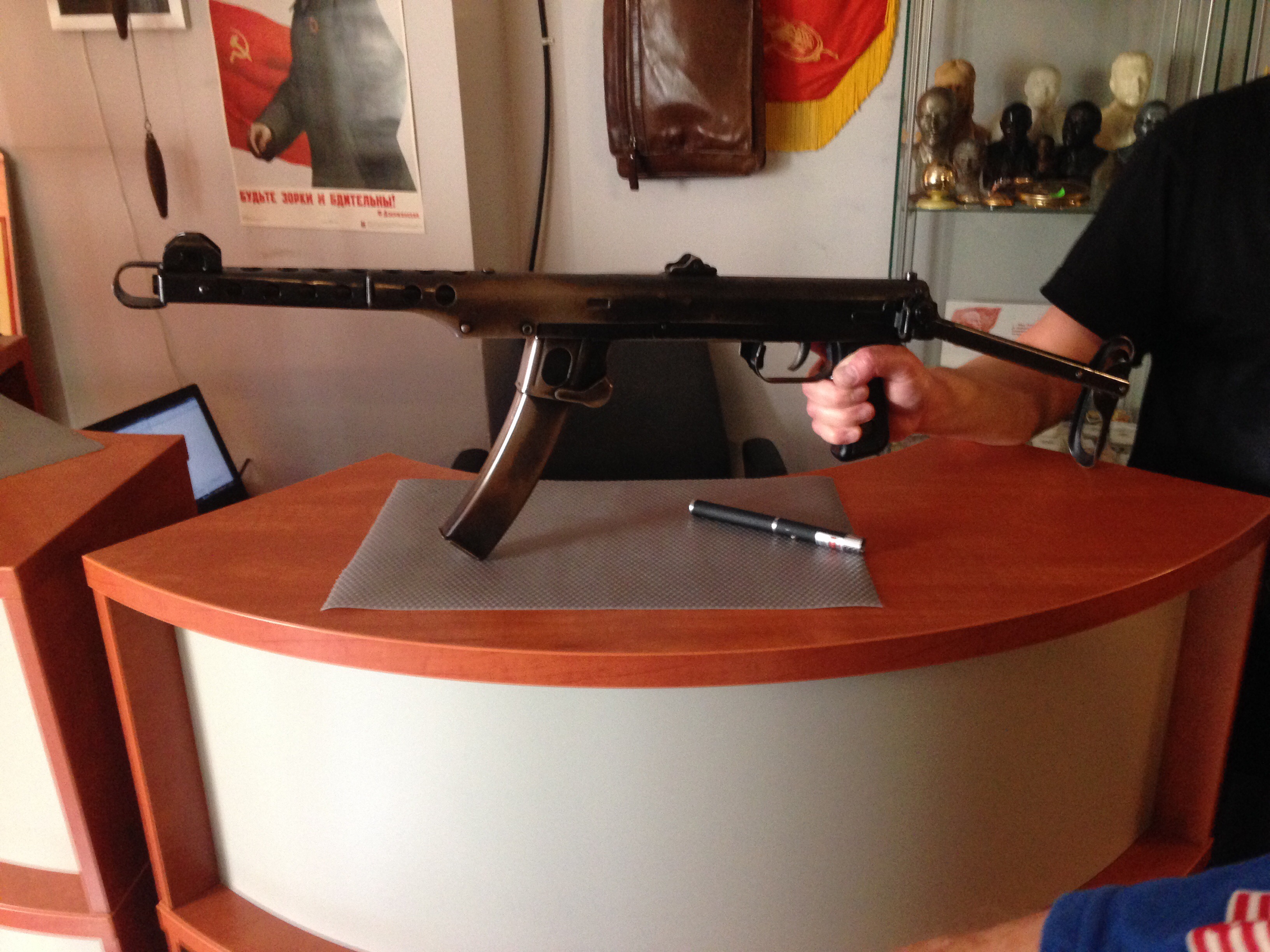
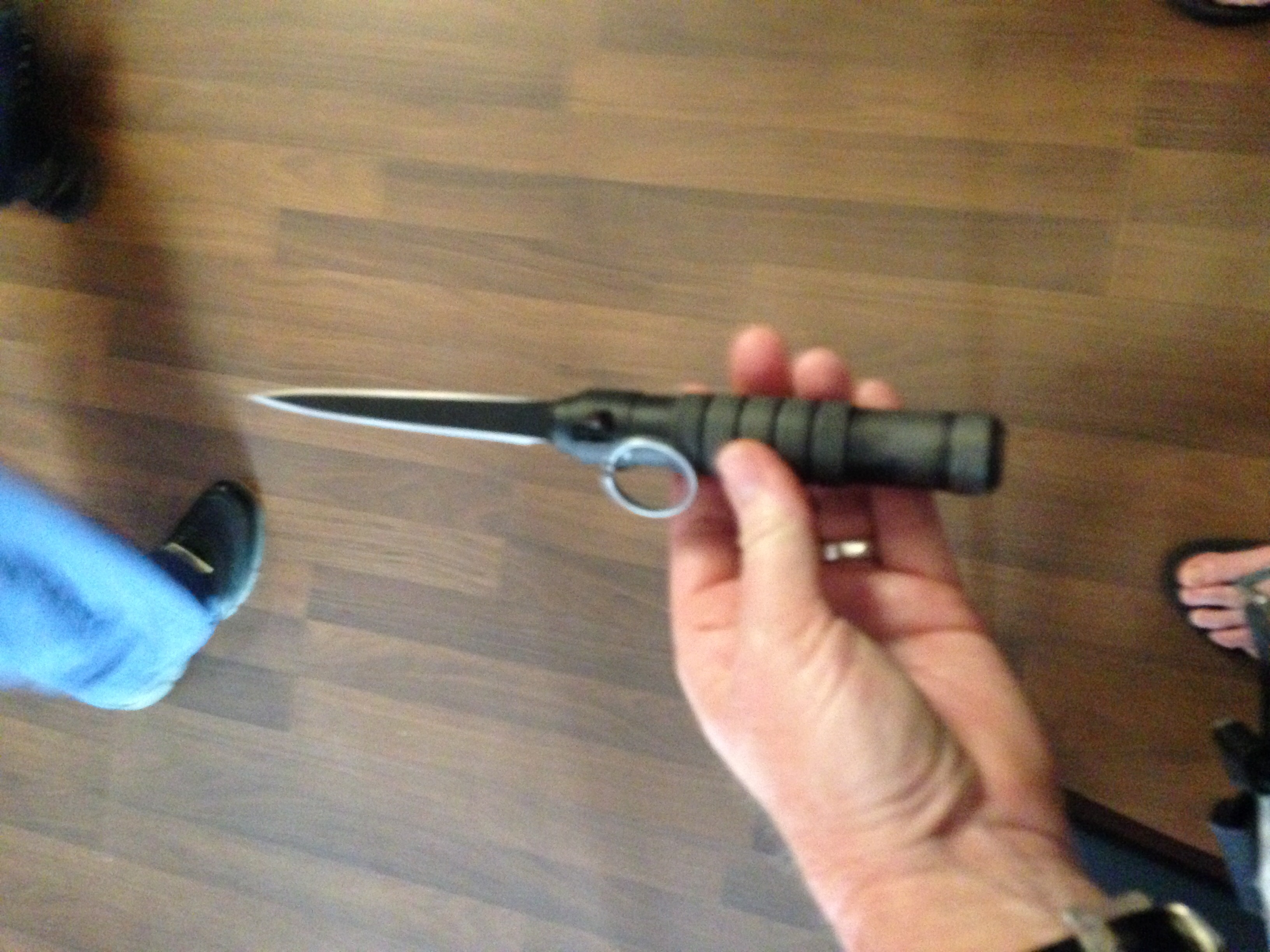
He spoke of spy camera’s, watches, bullet pens, poison. Showed us knives, guns and garroting saws. The latter came with demonstrations, noises, movement and eye rolling!



After this we got back on the bus and down to the wharf for a 1hr boat cruise on a different section of the river.

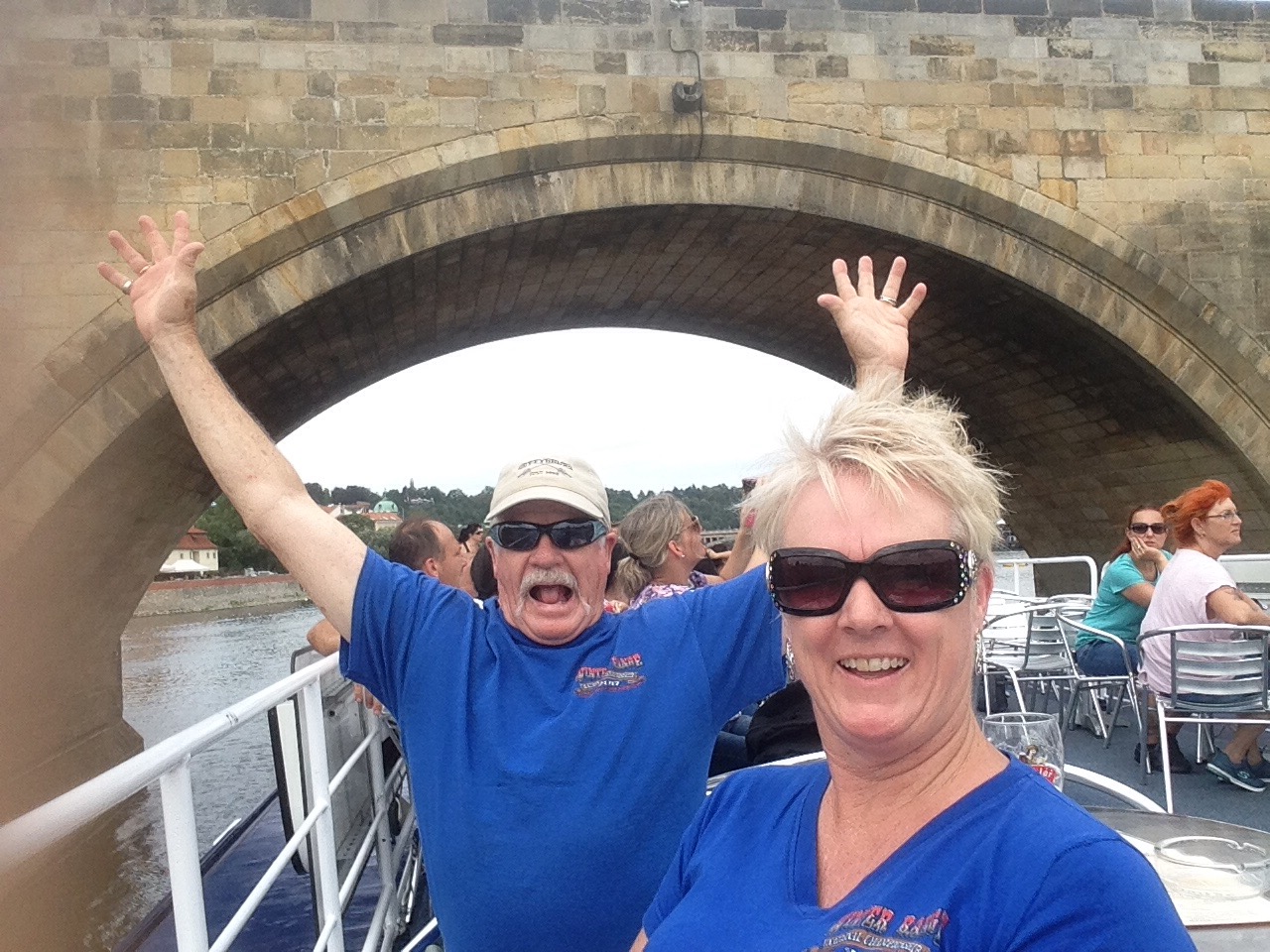
Thanks for having us Prague!
Kat xo
Thursday 17th August, whilst in Prague, Jack having an interest in history of past wars and effects chose to do a Communism Tour.
Not having known a great deal about it (history was not one of my subjects at school despite my obvious and very keen interest in it now) I thought this could be an interesting diverse look at Prague.
Now Katarina, our little tour guide, is only 30years old and has lived through part of this as a very small child. Her parents and grandparents however, lived through those turbulent times.
She was a wealth of knowledge. At this point it is now your turn for a history lesson in what I have recounted from her imparted information as we walked for, yet again, miles of Prague. (a little tram travel as well)
As previously mentioned in other blogs, originally Czechoslovakia was part of the Austrian Hungarian empire until during WWII it came under the Munich agreement.
Germany occupied Cžech until the end of the war when Russian troops moved and took it over. Czechoslovakia, disenchanted with western countries at the time, cooperated with the Russians.
They later came to find that power was being misused and the following elections communist parties were not being considered.
Along came the ‘Bloody 50’s’ and the ensuing protests came with imprisonment. One notable woman was accuse of treason and subsequently executed. She is said to be the only woman in the country to be executed for political reasons.
Ten others were executed and 48 imprisoned just for being associated with her. Another 248 ‘inconvenient’ people were executed and 2500 imprisoned around the 50’s. (Think a good majority of us can take a moment and be very thankful for the lives we have lived and are living)
I’ll try now to shorten some of the other notes I took down from this tour but I think you will find it interesting nonetheless.
During our visit to Prague there were display boards of photos, a tank and a nightly cinematic display at the front end of Wenceslas Square. The anniversary of Russian tanks being sent in to ‘liberate’ the country on 21st August, 1968.
This caused massive protesting and 100 people died including a young Jan Polak who set himself on fire in protest of the occupation. He died 3 days later. His death mask cast in bronze is installed in his memory on the side of a building.
It is sad to think that someone would think protesting in this fashion would do them good by harming themselves in such a dramatic fashion. But like Polak, 13 others attempted this method of protest.
The 80’s brought with it another revolution around the time of the wall coming down in Berlin in 1989. At the start of the revolution in ’88, Katarina’s parents brought her to Wenceslas Square where hoards of people protested shaking their keys. (I got nothing….I have no explanation written for the significance of this)


Did you know?
17th January, 1939 – students who protested were sent to concentration camps. To this day that anniversary has been known as the Day of International Students.
A memorial for this is prominently placed in the city where the most conflict between students and police took place.
The year 1990 saw the beginning of the Velvet Revolution. Velvet as smooth as the fabric is, to indicate a smooth transition to peace.
The Velvet Revolution came to conclusion in 1993 when the country split and became Cžech Republic and Slovakia.
In our travels Katarina provided other, somewhat trivial information as we passed different places. Like;
So next stop on this tour is a visit to the bunker. Yes you read it right, a bunker.
The metro system was designed as an underground bunker but could really only hold half of the city’s people.
We head to one of the bunkers entrances through a bizarrely graffitied, gated, outdoor bar in semi suburbia??!!
As Katarina unlocks the door she explains the bunker. Built in 1952-1955 it features a 4000kg/4t door, stairs take you to a 60m depth and could accommodate 5000 people. That would give each person around half a square meter of space.

Now it is supposedly ready as a shelter for 2000 people. Probably a two week stay is all that’s possible. It you wouldn’t be any better off other than living a few days longer as there would be no supplies etc up top for replenishment anyway. She said she would, in what I would call true Czech tradition, head to the nearest pub and live out your last days drinking beer!

The last sections of tunnel we went into had some displays of older gas masks, hospital supplies and their practice propaganda for such an event.


There are 5 entrances in total, decontamination rooms and a 3stage filtration system for clean air. (Wish I could insert my surprised, wide eyed emoji in here)
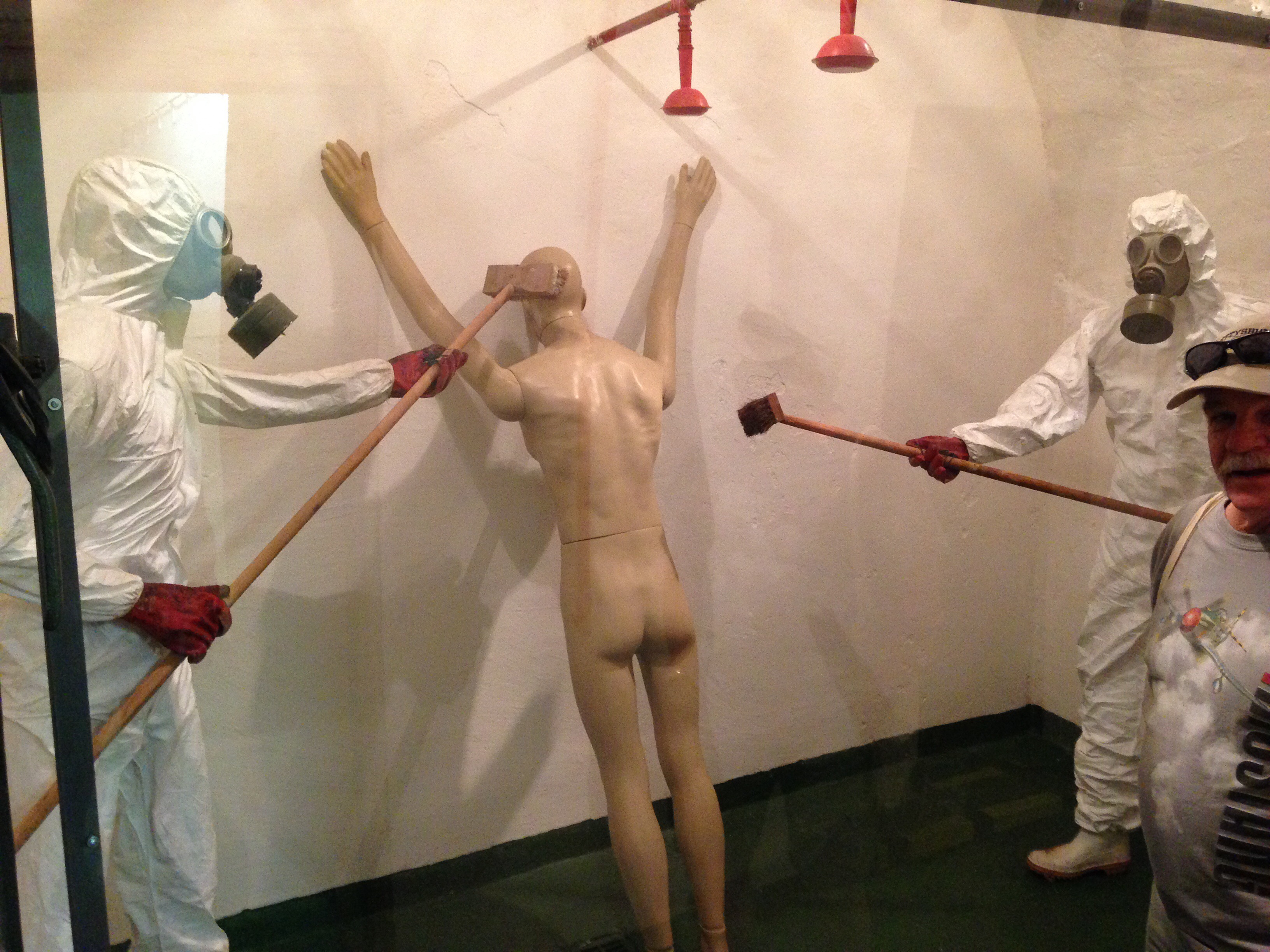


On a final note before we headed back up above ground to appreciate the fresh air and sunshine Katarina told us that The Rolling Stones were the first band to play in Cžech Republic after the Revolution in 1990. They gifted money for electricity to be installed in the Prague Castle for the presidential offices.
Bet you didn’t know that bit of trivia!?
Kat xo
What else would you do on a Wednesday?!
Of course, hump day Range Practice day. That will get us through to the weekend!
Have a good one.
Kat xo
Now where would be in the country of most consumers of beer (Pivo) and not take a guided tour to a few of the city’s finest.
We met our guide Martin from Urban Adventures at the Wenceslas statue at the top of Wenceslas Square. It was to be a small group of beer connoisseur’s but instead of 5 with two no shows we were down to 3 of us (Gina – a teacher in Wemberley but from Brisbane would you believe!, Jack and myself) and the guide.
Once upon a time in a Bavarian Monastery…..or something like that 🙂 ……during the 9th century, Monks began brewing the famous beverage.
Monks were relatively wealthy and so had the money to buy the best ingredients.
Back in the day when animals were roaming town streets and water was becoming contaminated, the process of brewing beer made it safer to drink beer than water.
Yes you heard me right! Beer! Even the kids were drinking it. Obviously the alcohol content was a lot less than most beers brewed today and they didn’t consume it in the same quantities as we do now.
We took the tram to the first stop which was another new experience for us.
Vino Harady is a vineyard district right in the center of Prague that was used by the monasteries and was turned into a park. Today some of the grapevines are being regrown in the park.
Across from the park in the quieter end of town is our first stop on the tour – Pivnice Usadu.
Now a quick note, Lager is what they call bottom fermented and wheat beer is top fermented with its fruitier flavours and cloudy appearance.
A process that depends purely on the balance of hops to malt ratio balancing out sweetness depending on the brew you require.
So Jack went for Velen which is a wheat beer. I had Sadek, an unfiltered lager. Accompanying this was tapas that Martin ordered (at each stop) for us of Czech tradition. This round was marinated pork belly strips (which wasn’t the fatty version we have seen previous) with horse radish and mustard.
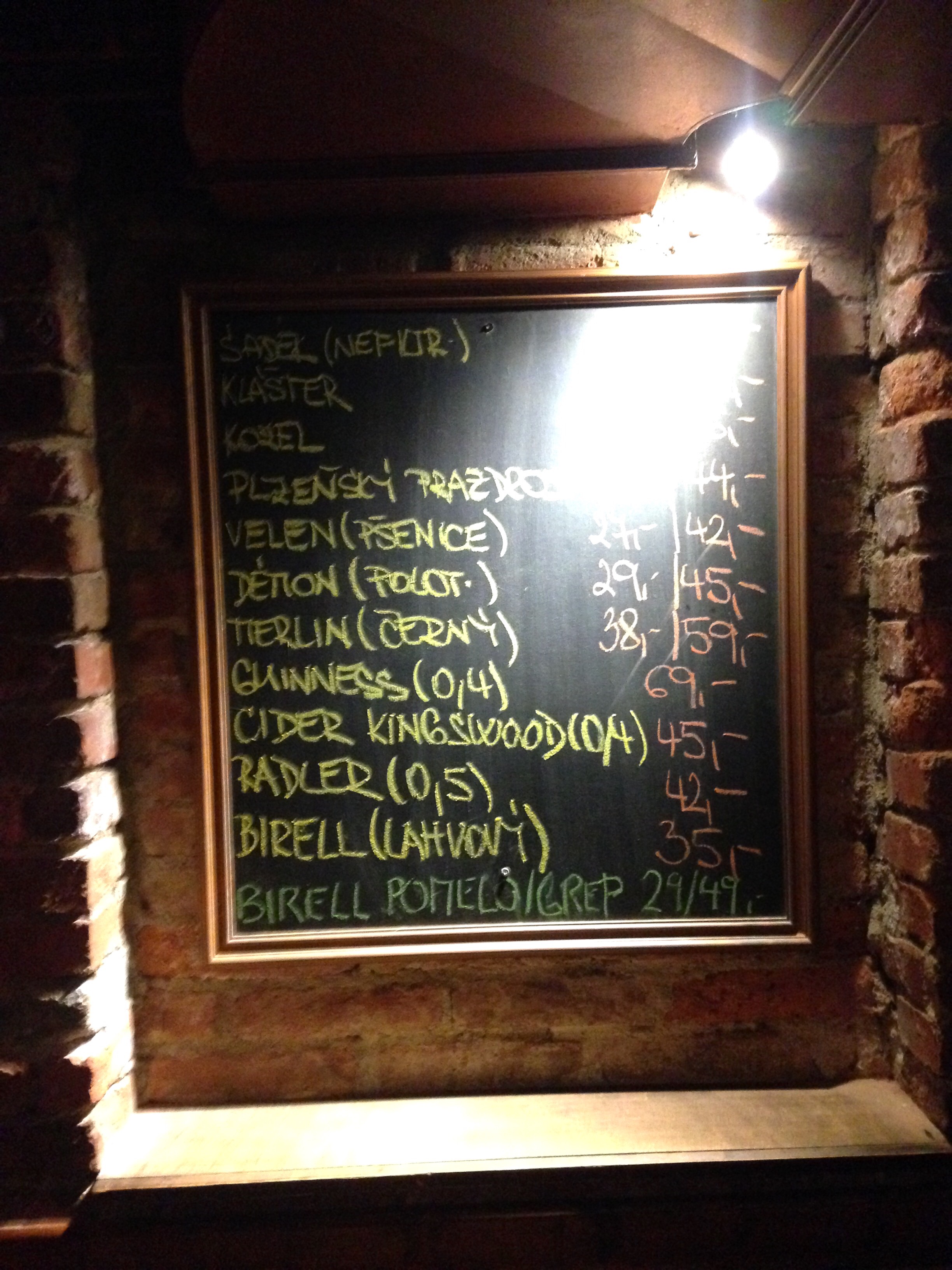


Learning point – water, barley, hops, yeast are the essential and pure ingredients. German tradition and law make this so. There are no other ingredients or flavourings to be added to the mix. Cžech brewers, whilst there is no law, follow this German tradition.
Of course ideal weather and soil conditions contribute to production of the perfect hops. As mentioned it acts to balance the sweetness and also serves as a natural preservative.
As you do, as we have seen Budweiser Budvar signs everywhere, Jack asked the difference between Budweiser USA and Budweiser here. You would have thought he had cussed but Martin explained as best he could.
Budweiser as the Budjovíce bohemian version has been around since the 17th Century. Budweiser Anheuser Busch is German and apparently there are ongoing issues between the two regarding the use of name etc. The original Budvar version is sold in USA under a different label. (Sounds like some similar issues to the McDonalds film I just watched)
Onto the tram again to our next stop and this pub, I notice, uses a different numbering system. Like an 11, 13, or say a 15 beside the name of the beer. Martin explains this is done to grade the beer. The numbers determine the level of malt in the beer and later used in determination of the alcohol by volume percentage is done.
This pub also has unique brews made for them only, these brewers are called ‘gypsy breweries’. Once the beer is all gone they might get a different brewer in.

Here we are drinking one called ‘Bad Flash Red Shorts’ an IPA. Paired with a Bavarian style sausage that has been cooked and pickled in vinegar. (Hence the saying – drowning in vinegar or in Aus we would say slightly pickled)
This type of sausage was first produced for an industrial exhibition in the late 1800’s. It has been prepared to serve with beer and has been in pubs since then.
This pub has been here for 160 years. At one stage someone had booked the place for a party and asked if they could provide their own kegs. The publican obliged and when the party finished the left over kegs were served up to locals the next day. They liked it! Hence the changing of breweries regularly now.
It’s now 8.20pm and our third stop, Cafe Kolibka. The Únitece unfiltered lager (can’t remember if we all drank the same but the only one in my notes) with a marinated cheese.
The cheese, like Camembert or Brie, has been marinated in oil, paprika, bay leaf and onion. Extremely good with a thin piece of bread and beer.
The last stop on our tour took us back in near our hotel at a place called Pivovar U Dobrenskych where we have all chosen different beers.
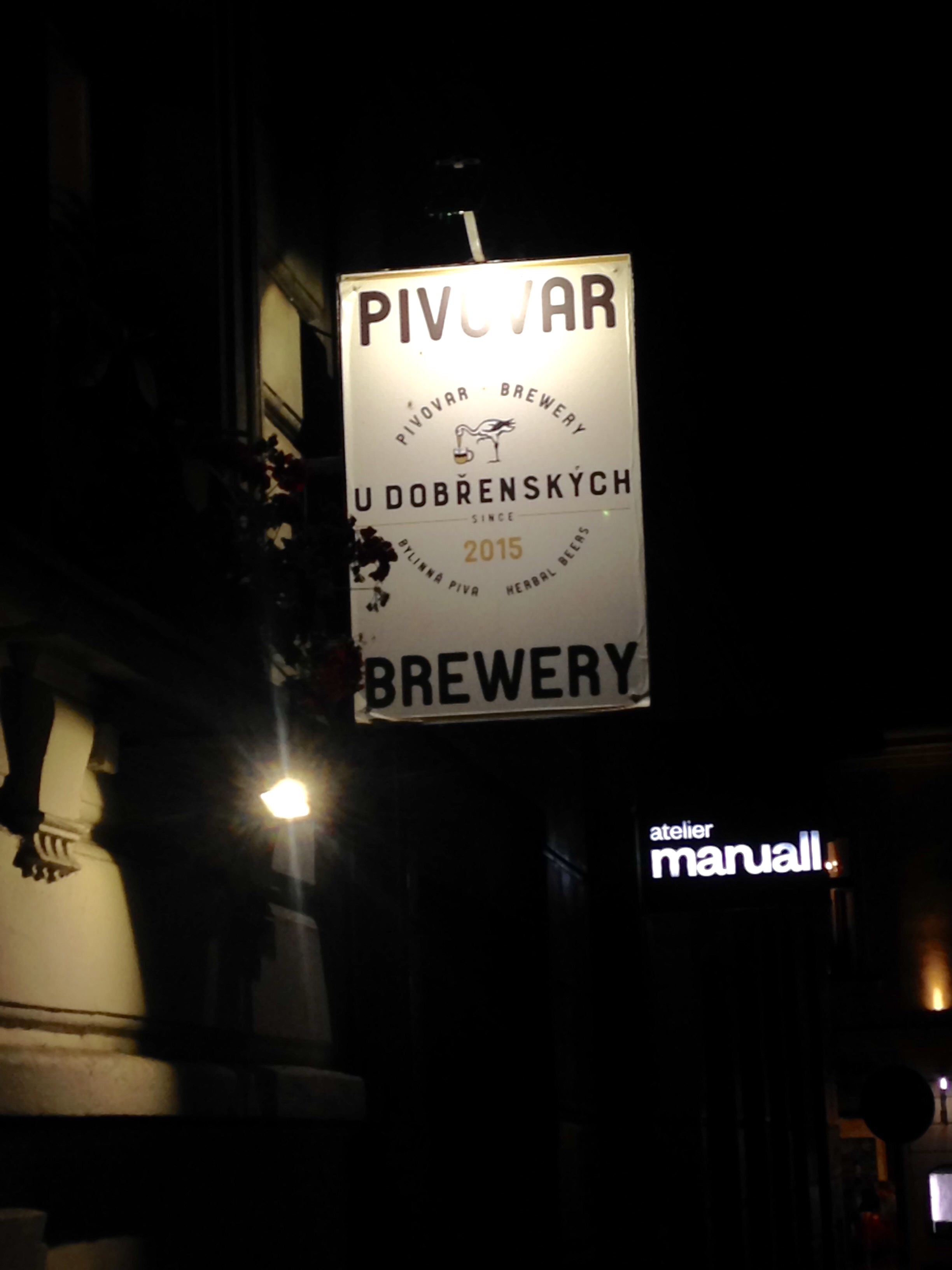
Gina chose a light and refreshing lemongrass style. Jack went for a medium flavored almost IPA called Tribulas and I chose their stout but must have definitely given up typing the name because I’ve got nothing! Lol! No, found a photo, all good!
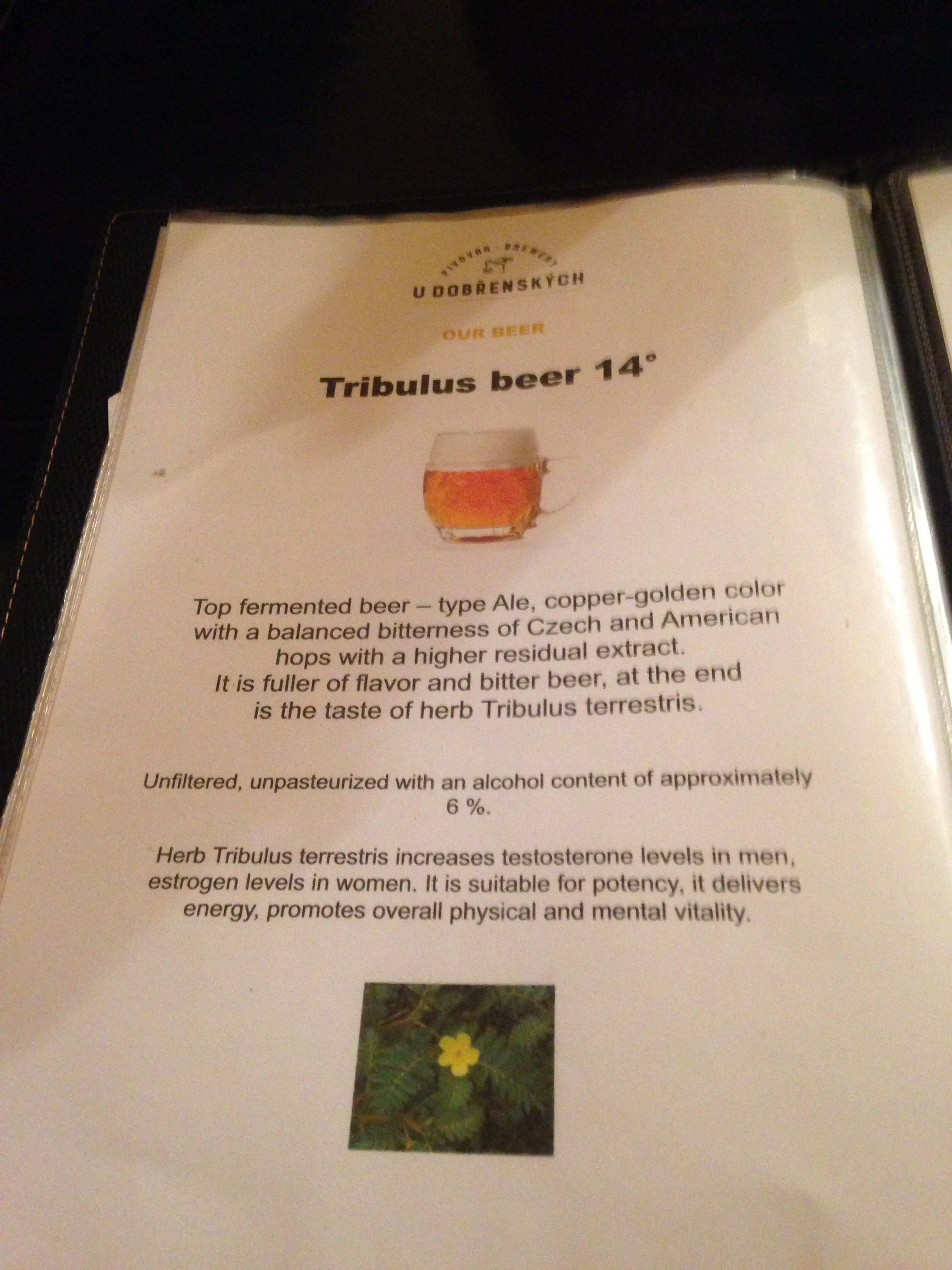

I’m sure it was around 10.30pm or so when we finished this tour. A great evening spent talking over good beer.
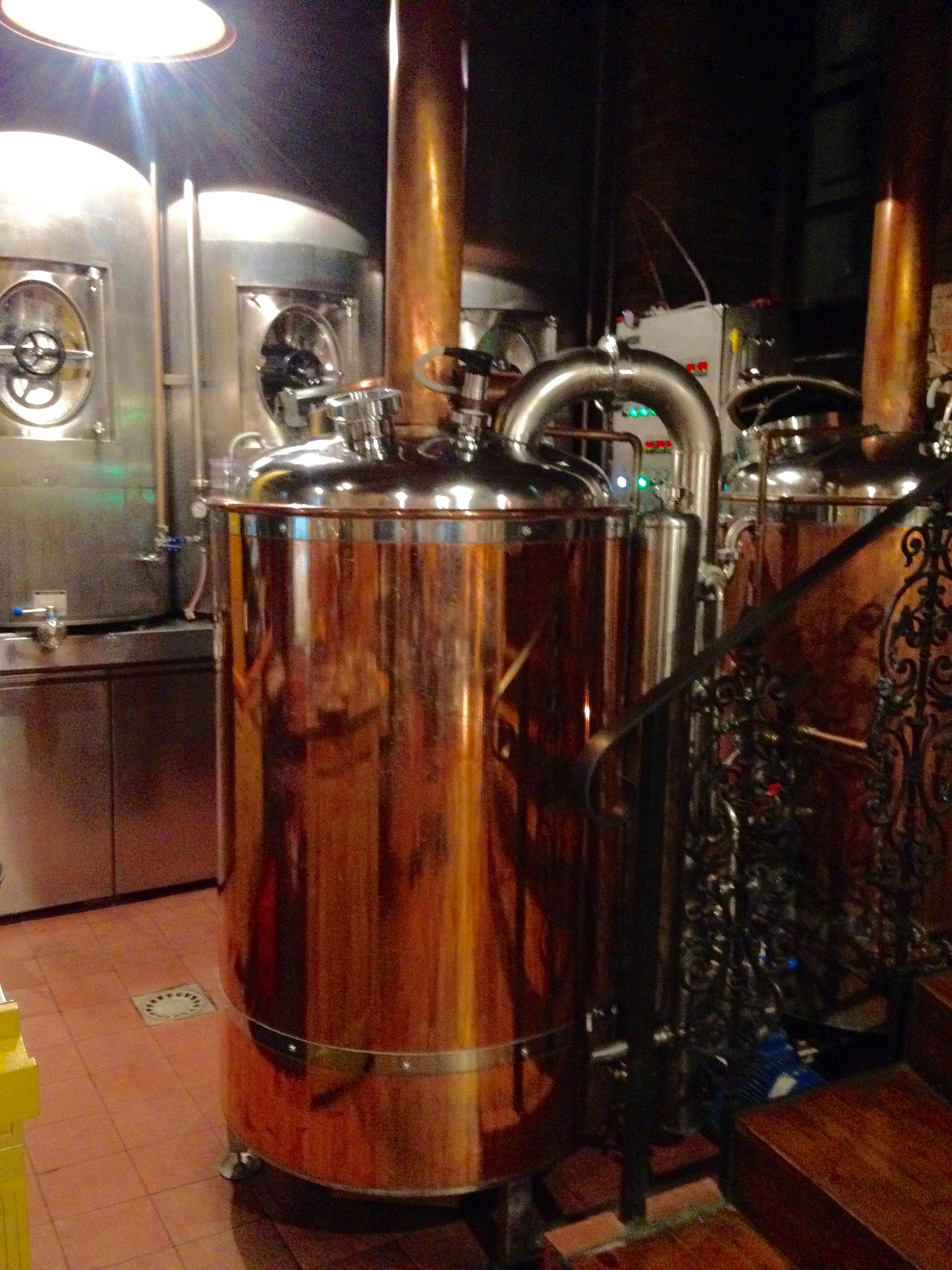
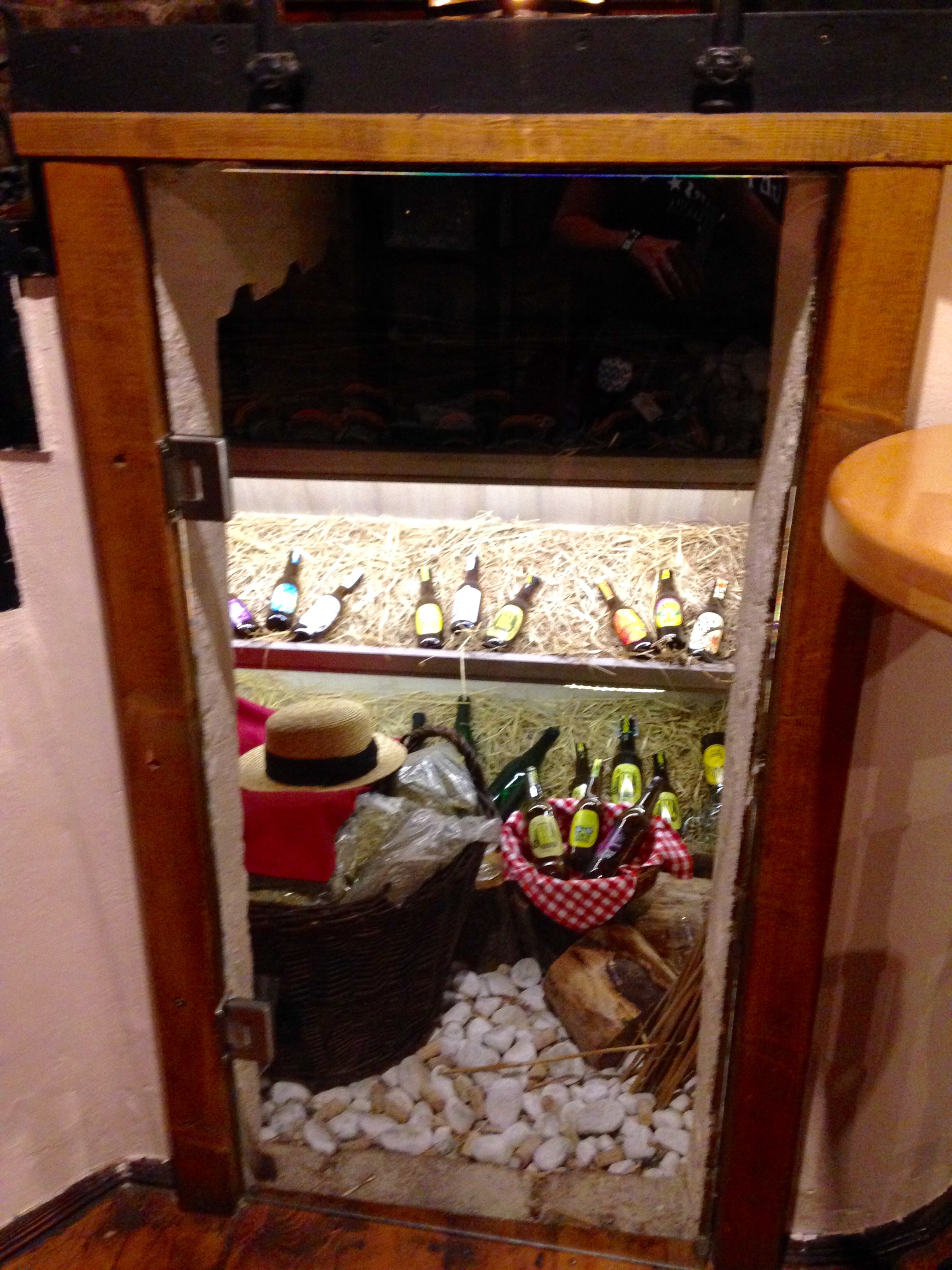
Thanks Martin and Urban Adventures, outstanding!
Kat xo
Wednesday, August 16th
There is more than meets the eye in Prague and amongst the hidden, crowded and busy streets we find more history, museums and treasures.
Jewish Quarter
Having been around since 906, we walked past the Pinkas Synagogue. One of 7 synagogues in the area.
The area also has the oldest Jewish synagogue in Europe from 1270. (I hope all my figures are right, it was hard to keep up with the typing whilst the tour guide was talking)
It is used every year for Jewish holiday celebrations. Behind it, the cemetery has some of the oldest tombstones. People were buried in 12 layers with the last interned in 1787.
The City
Just some interesting bits and pieces I noted down during the tours as we flew around in the bus, walked for miles or relaxed on the boat.
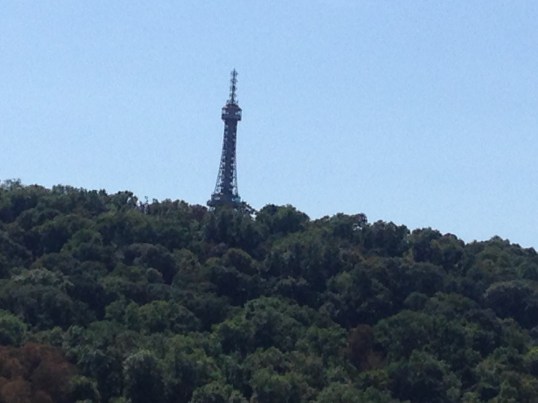
There is more with the replica Eiffel tower up on Perrin Park hill,
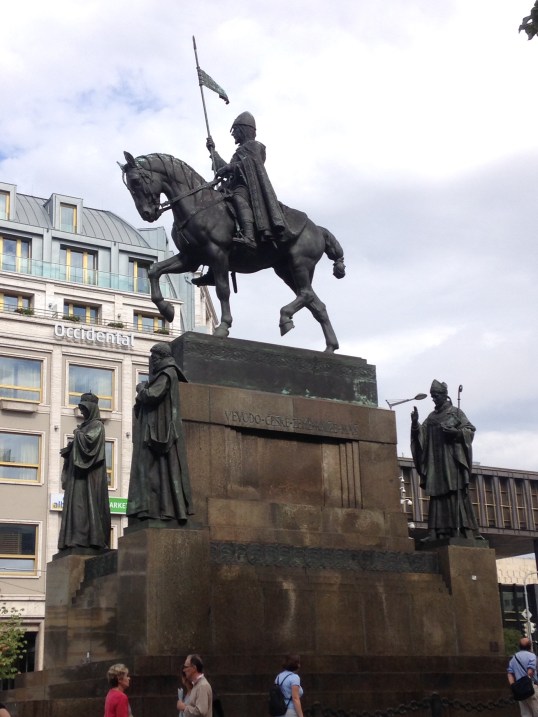
the Hunger Wall memorial, Wenscelas Square,
the Powder Tower

and of course the gorgeous and popular Astronomical Clock

in the Old Town Square where hundreds gather in and around cafe's to watch it go through its motions on the hour. (Video is on FB)
Kat xo
What a beautiful city! The historic Charles Bridge, St Vitus Cathedral and the Prague Castle create a beautiful backdrop to this bustling city.


With all its crazy little mazes of cobblestone streets and alleys, Prague has a lot to offer tourists from abroad.
Of course the summer season is particularly busy and many streets are just a sea of people! Great for people watching whilst drinking pivo! (Beer)

We started our few days with a full day guided tour of Prague. We caught a bus for part of it, walked miles for the most of it and finished with a boat cruise.
Old Prague and the castle grounds have been around since 1230 where it was rich with merchants houses from Romanesque times.
Prague clearly had a lot to offer for the likes of Mozart and other musicians and artists to come here.
Charles Bridge
The Charles Bridge tower is one of the oldest pieces of gothic architecture. The bridge is the link between Old Town and Lesser Quarter.

Thirty statues serve as a gallery across the bridge. The originals are now being replaced with replicas and over the next few years will be exhibited inside the castle walls.

The bridge was named after Charles IV but he never saw it to completion having died 3 years earlier. The earlier Bridge had been destroyed during a flood in 1342. At 5.31am construction of the Charles Bridge took place on the 9th July 1357. It was done on completely odd numbers.(numerology significance) 971357531 as displayed above the gate.

Prague Castle
The castle, once home to the royal family of Schwarzenberg and other royal families, now serves as presidential suites for the Cžech President.

The flag is flying during our visit which means of course, the President is in the country.
This popular tourist destination features many castle rooms, small shops of handcrafts, museum, monuments, cafes and of course St Vitus Cathedral. Some areas are closed or heavily guarded due to the Presidential office.
We arrived at the castle in time for the changing of the guard at one of the 3? Main entrances. Guards perform their changing ceremony every 30minutes.


As you enter into the square there is a beautiful Baroque fountain and water well from the 17th century.
St Vitus Cathedral
This formidable piece of architecture was started in the 14th century with one section built in 1812-1929. Essentially 1004 years to build!

The beautiful big round window in one end of the cathedral was constructed in 1928 with 26,000 pieces of glass. I kid you not!

The stunning glass windows and other ornate features are truly stunning.


On the outside wall as you exit the cathedral is a massive mosaic made in 1371 of hundreds of thousands of Venetian glass and sandstone cubes.

It was the original entrance to the cathedral with the mosaic depicting heaven on the left and hell on the right.

What a fabulous visit into history, but wait, there's more!
Kat xo
Arrived in Prague today have had a nice lunch, checked into Old Prague Hotel and then made our way to parking.
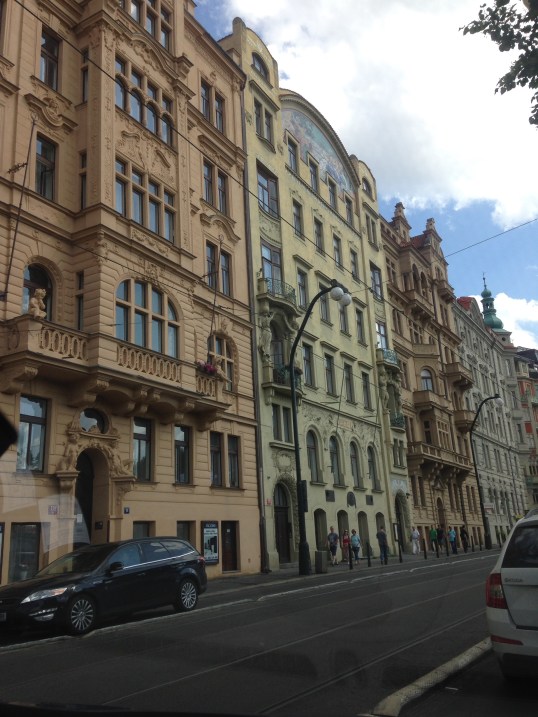

Again streets are narrow and not much room for movement. Cobblestones and heaps of tourists.
The buildings are stunning, truly ornate works of art.
Walked across 'most legii' from the National Theatre to the hunger wall. Then back again and around looking for a place for dinner.


We ended up at Pivovar Národní Brewery. A great beer garden out back, so we found a spot to sit and had great steaks and salad.
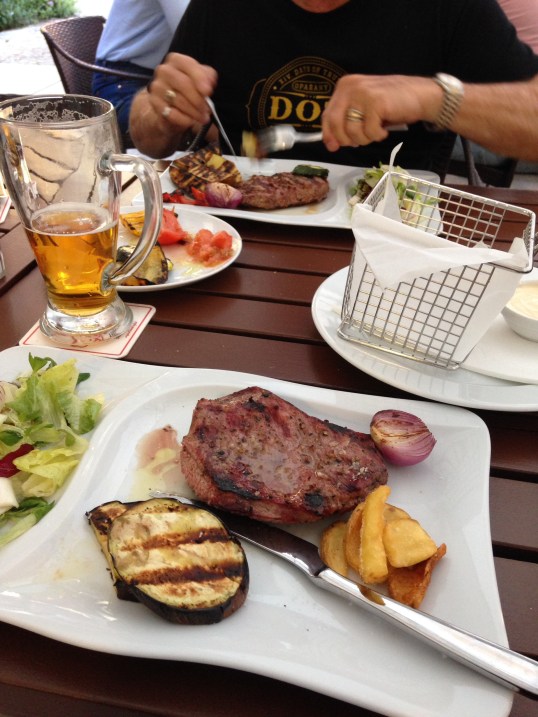

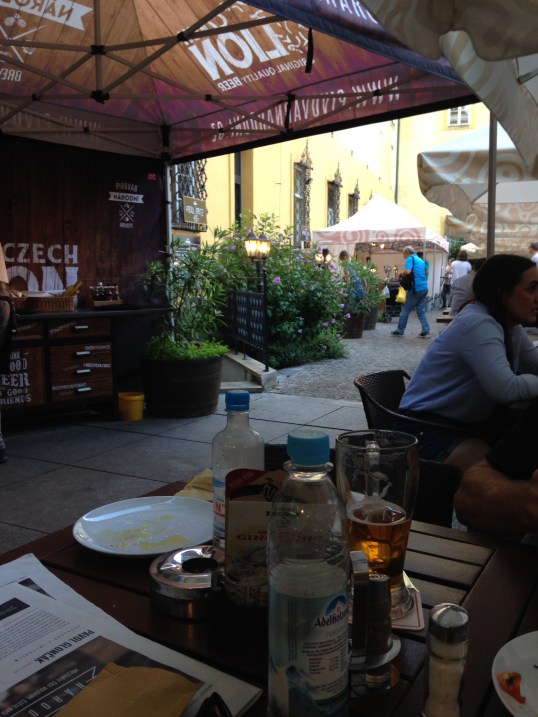
Then a 15 minute meander back to the hotel. Checked out the strange moving sculpture and back to the 'couldn't swing a cat in it if you tried' room.

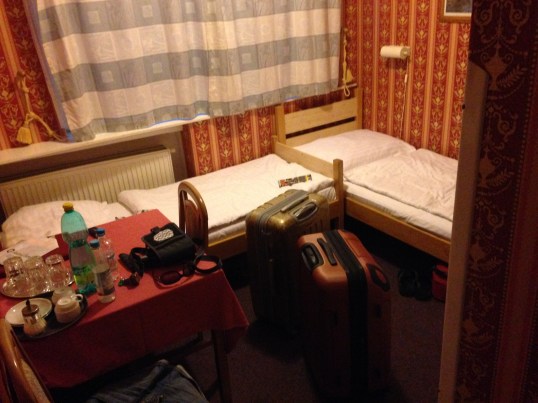
Thankfully this is only one night before we go in to a more suitable one tomorrow.
Tomorrow is rivercruise tour!
Na zdraví!
Kat xo
We arrived in Kutná Hora yesterday afternoon.
After a brief walk around we realized this was a larger town than expected and found familiar sounds of American accents. It now looked promising to find places and information centers where people would know some English besides their native Čeština.
A quick walk down more cobblestone streets to the main square we found the Hotel Medínek at the historical Centre of the old town.

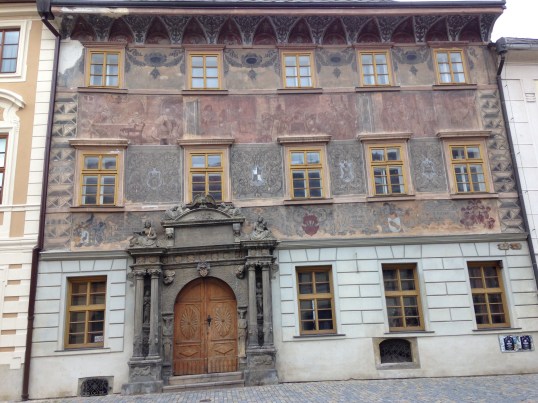
We were also able to get a parking spot right outside the front doors!!??!!
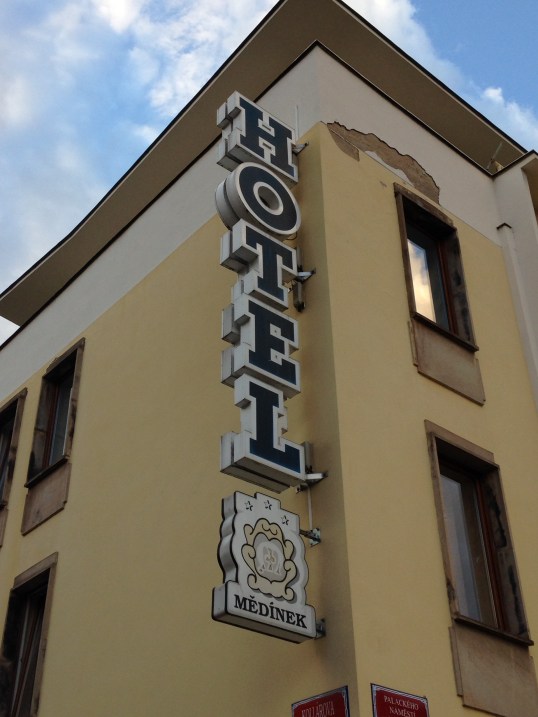

Our room overlooked the square which was great for the spontaneous piano players as the sound carried and we could hear it clearly. Anything from chopsticks, classical to popular songs were being played by some very talented people.

There were many outdoor cafes as well which was great and many of the other historical sites are within walking distance.
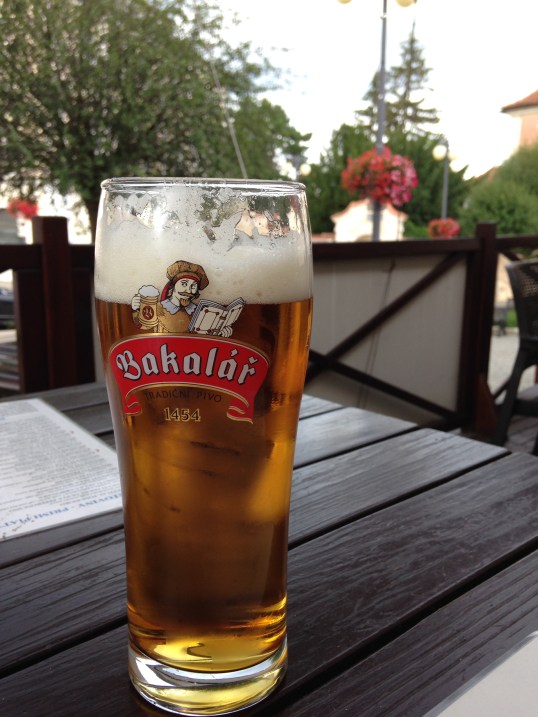
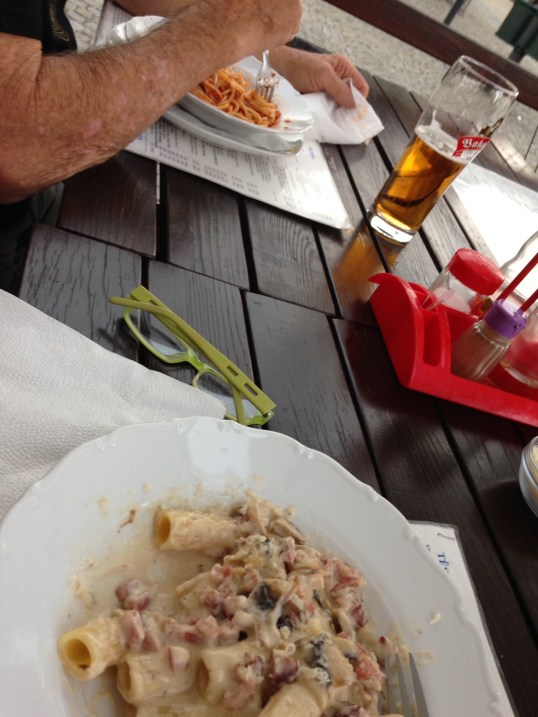

Later that night however with the rowdy teens in the square from 11pm til about 3am was not so fun or sleep inducing.
Kutná Hora is about 70km's/40miles from Prague. Historically, it was the silver mining Centre and the location of the royal mint. (Today being Monday it is closed so we have missed out)

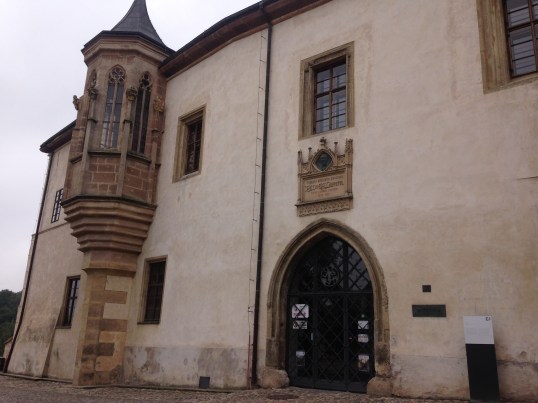
According to the brochure, It was one of the most influential cities of Bohemia being the second wealthiest city in the country after Prague. In respect to the architecture, Kutná Hora was a favored city to many rulers who came to royal residence known as the Vlašsky Dvur. The old town Centre has been preserved as UNESCO World Heritage Site.

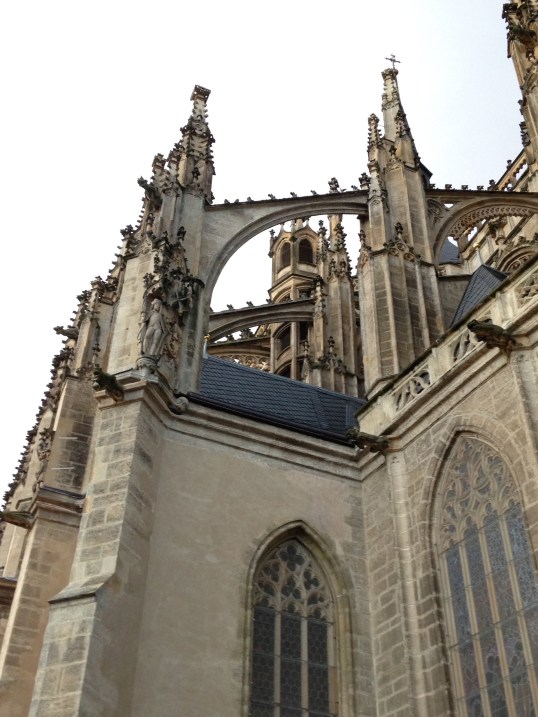

After dinner we walked the streets and went along past the Corpus Christi Chapel and around the St Barbara Church which was just spectacular with all its ornate sandstone fretwork, arches, spires and gargoyles.


There are little hidden restaurants and shops everywhere.


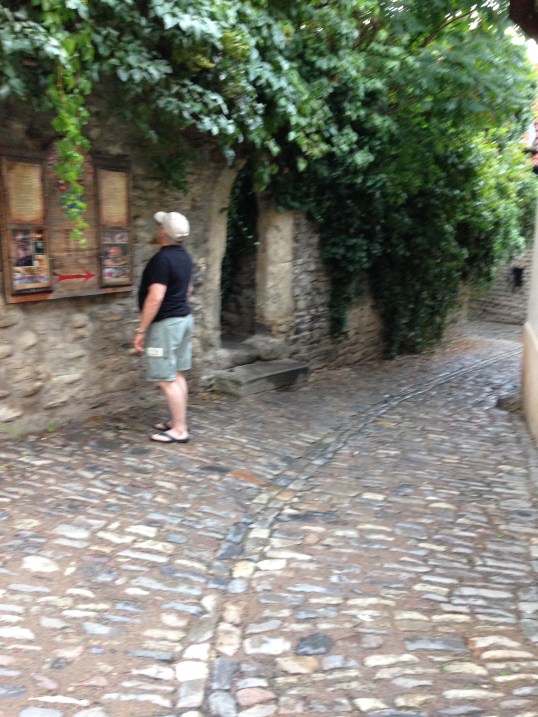
This morning, since we found out the Silver Mine was closed, we went to Sedlec Ossuary and the Sedlec Cathedral of the Assumption of our Lady and St John the Baptist.


Brochure states 'These are parts of the former oldest Cistercian Monastery in Bohemia founded in 1142 – the gate to the history of the royal city of Kutná Hora.
Thousands of people found their last place of rest here at the times of plague epidemics and religious Hussite wars in the Middle Ages. In 15th century the major part of the cemetery was abolished and relics from the graves (remains of 40,000 people) were brought to the church into its underground chapel.
In 1511 a half-blind monk piled them into pyramids. The Seslec Monastery was abolished by Joseph II. The present form of the bone decoration is a result of Baroque modifications carries out in early 18th century by J B Sabrina Aichel, completed by a wood carver František Rint in 1870.'
This is Memento Mori or remember the death associated with the Christian hope of resurrection, not a celebration of death but symbolizing the equality of people in front of the throne of god.


Hats removed, courtesy silence, photography allowed (no flash), heaps of tourists. A very interesting visit.
Kat xo
 The Adventures of Jack n Kat